Planting
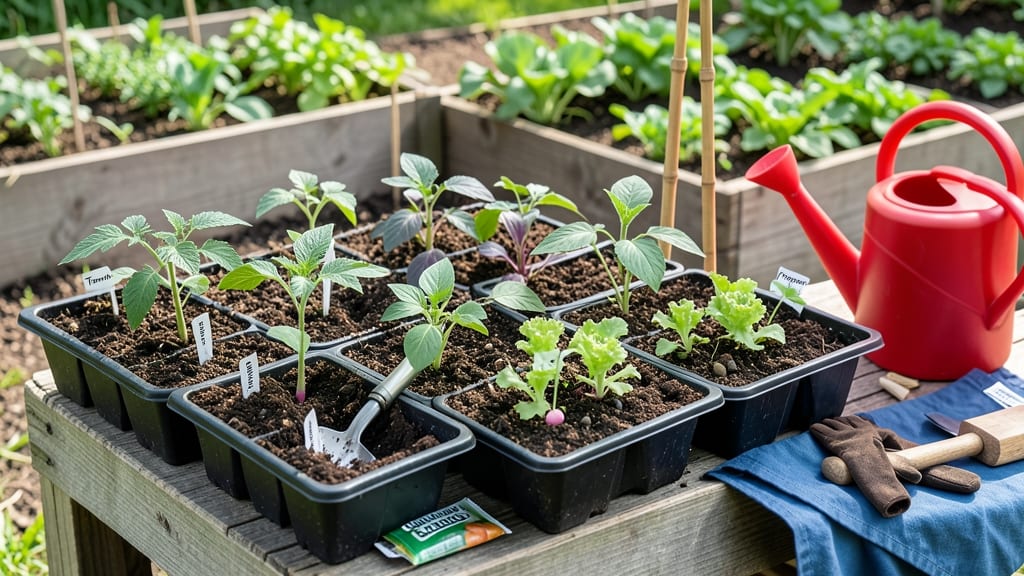
Timing your vegetable garden planting in North Carolina can make the difference between a thriving harvest and a frost-killed disaster. With USDA zones 6b-8a and microclimates that vary dramatically from the coast to the mountains, knowing when to plant is everything.
Miss the window, and you might lose your hard work to an unexpected freeze—get it right, and you’ll enjoy fresh tomatoes, crisp lettuce, and more all season long.
I’ve spent years growing a vegetable garden 🥬 in North Carolina, and the key to success isn’t just about the calendar—it’s about understanding your specific zone and microclimate.
Whether you’re in the Piedmont, the mountains, or along the coast, the last frost dates shift dramatically, meaning your planting schedule should too. Let’s break down the exact times to start seeds indoors, transplant seedlings, and direct-sow for a bumper crop.
You’ll discover how to adjust for elevation, soil types, and even coastal breezes that can delay planting by weeks. We’ll cover spring and fall planting windows, frost-proof tricks to extend your season, and the best crops to grow in each microclimate.
No more guessing—just a clear, actionable plan tailored to NC’s unique growing conditions.
Ready to turn your garden into a productive powerhouse? By the end, you’ll know exactly when to plant every type of vegetable for zero-frost success—no matter where you are in the state. Let’s get started!
NC’s planting zones explained: when to start seeds indoors vs. direct-sowing outdoors
North Carolina spans USDA Hardiness Zones 5b through 8a, meaning your garden’s planting window can shift by up to 6 weeks depending on where you live.
In the mountains (Zone 6b-7a), frost lingers until mid-April, while coastal areas (Zone 8a) see last frosts as early as March 1st. This variance isn’t just about timing—it dictates whether you’ll need to start seeds indoors or sow directly into the garden.
For cool-season crops like lettuce, spinach, and peas, the rule is simple: plant 4-6 weeks before your last frost date. But warm-season lovers (tomatoes, peppers, cucumbers) need to wait until 2-3 weeks after the frost risk has passed.
The key? Knowing your microclimate’s last frost date—not just your ZIP code’s average.
Here’s how NC’s zones break down for indoor seed starting vs. direct sowing, with exact deadlines for your region’s most popular vegetables:
| Zone & Region | Last Frost Date | Indoor Seed Start (Cool Crops) | Direct Sow (Cool Crops) | Transplant Warm Crops |
|---|---|---|---|---|
| Zone 5b/6a (Mountains: Boone, Asheville) | April 15–May 1 | Feb 15–March 1 (peas, spinach) | March 15–April 1 | May 15–June 1 |
| Zone 7a (Piedmont: Raleigh, Greensboro) | March 25–April 10 | Jan 30–Feb 15 (broccoli, kale) | Feb 20–March 15 | April 20–May 5 |
| Zone 7b/8a (Coastal: Wilmington, Charleston) | March 1–March 15 | Jan 15–Feb 1 (collards, mustards) | Jan 20–Feb 10 | March 15–April 1 |
🌱 Pro Tip: Use NC State Extension’s frost maps for your exact location—even neighboring towns can differ by 10+ days!
Take tomatoes as an example: In Zone 6a (Asheville), you’d start seeds indoors by March 1st and transplant after May 15th. But in Zone 8a (Wilmington), you can direct-sow seeds as early as March 1st with no indoor prep needed.
The same logic applies to peppers, which need 85+ days to mature—so late starters in the mountains risk a shortened harvest.
For direct-sown crops like beans, corn, and cucumbers, timing is equally critical. In cooler zones (6a-7a), wait until soil temps hit 60°F+ (use a soil thermometer!) to avoid stunted growth.
In warmer zones (7b-8a), you can plant 2-3 weeks earlier, but watch for bolting in heat-sensitive greens like lettuce.
My biggest mistake? Assuming my Raleigh garden (Zone 7b) aligned with a friend’s Asheville plot (Zone 6a). I planted cucumbers in early April—only for a late frost to wipe them out. Now, I double-check frost dates and use row covers as a buffer.
Don’t overlook fall planting either! Cool-season crops thrive in NC’s mild winters if sown 8-10 weeks before your first frost. In Zone 7a, that means late August for spinach and early September for broccoli. Miss this window, and you’ll miss out on harvests through December.
For precision planning, bookmark the NC State Extension’s Planting Calendar or use their frost date lookup tool. It’s the difference between a bountiful garden and a frost-killed disappointment.
🌿
Microclimate adjustments: how elevation, soil, and coastal breezes shift planting deadlines
North Carolina’s mountain valleys can have 50-degree nights while coastal areas stay in the 60s—even in the same month. These microclimate differences mean your planting schedule in Asheville (Zone 7a) might need adjustments compared to Raleigh (Zone 7b) or Wilmington (Zone 8a).
Understanding these shifts helps you avoid late frosts or heat stress on tender seedlings.
Elevation plays a critical role: for every 1,000 feet you gain, temperatures drop 3.5°F. That’s why high-altitude gardens in the Blue Ridge Mountains may need to start warm-season crops like tomatoes and peppers 2-3 weeks later than their coastal counterparts.
Meanwhile, lowland areas near the coast can sometimes plant earlier due to milder winters.
Soil type also affects timing. Sandy soils (common in coastal regions) warm up faster in spring, allowing direct sowing of warm-season crops like beans and cucumbers 1-2 weeks earlier than in clay-heavy soils found in the Piedmont.
However, sandy soils dry out quickly, so you’ll need to water more frequently once planted.
Coastal breezes bring their own challenges. Salt spray from ocean winds can damage young seedlings, while humidity increases the risk of fungal diseases like powdery mildew. If you’re gardening near the coast, consider raising beds or using drip irrigation to keep foliage dry.
These adjustments can shift your planting window by up to 3 weeks compared to inland gardens.
🌿 High-Altitude Gardens (Mountains)
✅ DO
- Start warm-season seeds indoors 4-6 weeks earlier
- Use row covers for early spring planting
- Choose cold-hardy varieties (e.g., 'Mountain Magic' tomatoes)
❌ DON'T
- Plant tender crops too early without protection
- Ignore microclimate pockets (e.g., sheltered valleys)
- Use heavy mulch that delays soil warming
🌊 Coastal Gardens
✅ DO
- Plant salt-tolerant crops (e.g., Swiss chard, okra)
- Use raised beds to avoid salt buildup
- Water deeply in mornings to prevent fungal issues
❌ DON'T
- Plant sensitive crops (e.g., lettuce) near shorelines
- Overlook wind protection for tall plants
- Use low-lying beds prone to flooding
For Piedmont gardens, the key is balancing soil fertility with timing. The region’s rich loam soils warm quickly, but spring rains can delay planting if the ground stays soggy.
Test your soil’s drainage in early spring—if it’s still waterlogged after 48 hours, wait another 1-2 weeks before planting.
Pro tip: Use NC State Extension’s Planting Calendar as a baseline, then adjust by 1-3 weeks based on your specific microclimate. For example, if you’re in Zone 7a but at 3,000 feet elevation, treat your schedule like Zone 6b.
The NC Cooperative Extension Service offers free soil tests and local frost data—utilize these resources to fine-tune your planting dates.
Remember, even within a single county, a garden on a south-facing slope may warm 2 weeks earlier than one in a north-facing valley. Pay attention to these sun exposure differences and let them guide your succession planting strategy for a continuous harvest all season long.