
Planting
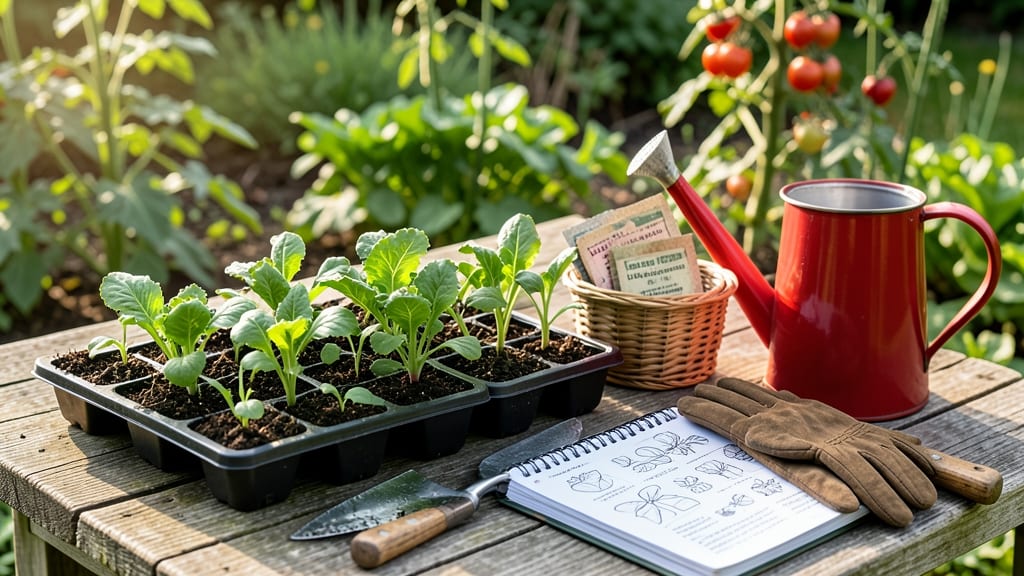
Timing your vegetable garden in New Brunswick can feel like a high-stakes guessing game—plant too early and risk frost damage, too late and miss the growing season entirely. The province’s coastal climate and inland microclimates create unique deadlines that make all the difference between a thriving harvest and wasted effort.
Whether you're in the moderated coastal regions or the slightly warmer inland zones, knowing the last frost dates is the key to avoiding bolting in heat-sensitive crops like lettuce or stunted growth in tomatoes.
I’ll break down the exact planting windows you need to maximize your garden’s potential, tailored to New Brunswick’s frost-free averages.
From cool-season crops like peas and spinach to heat-lovers like peppers and beans, this guide covers everything you need to know. You’ll discover how to prep your soil, extend your growing season, and even leverage local resources from Agriculture and Forestry Canada for foolproof timing.
Let’s get your garden off to the right start—because in New Brunswick, a few weeks can mean the difference between a bountiful harvest and a disappointing one.
New Brunswick’s planting zones: coastal vs. inland deadlines to avoid bolting
New Brunswick’s coastal regions like Fundy and Saint John enjoy milder winters, while inland areas such as Fredericton and Moncton face earlier frosts. These differences mean your last frost dates can vary by 2-3 weeks, making timing critical to avoid bolt risk in heat-sensitive crops like lettuce or spinach.
For coastal areas, the average last frost typically falls between May 15-20, while inland regions often see frost lingering until May 25-30. This shift can mean the difference between a thriving garden and a failed crop. Understanding your microclimate is the first step to planting with confidence.
🌱
Coastal areas like Saint John benefit from the Gulf Stream’s moderating effect, allowing for earlier planting of warm-season crops such as tomatoes and peppers. Meanwhile, inland regions like Fredericton must wait longer to avoid late-spring frosts, which can devastate young seedlings.
Always check your local Canada Agriculture and Forestry reports for yearly adjustments, as climate shifts can push frost dates earlier or later. For example, 2023 saw coastal areas experience a 10-day delay in last frost due to unseasonably cool May temperatures.
If you’re growing heat-sensitive greens like lettuce or spinach, aim to plant them 4-6 weeks before your last frost date to ensure they mature before summer heat triggers bolting. Conversely, warm-season crops like tomatoes should only go in after soil temperatures consistently reach 15°C (59°F).
🌿
For beginner gardeners, start with cool-season crops like peas or radishes, which tolerate cooler soils and can be planted as early as April in coastal zones. These crops act as early indicators of your garden’s readiness for more delicate plants.
Inland gardeners should prioritize hardy varieties of potatoes and kale, which can withstand cooler soils and shorter growing seasons. These crops are forgiving if planted slightly late, unlike tomatoes or peppers, which demand precise timing.
💡
Pro tip: Use biodegradable plant pots for seedlings to avoid transplant shock when moving them outdoors after your last frost. This method also helps extend your planting window by 1-2 weeks compared to direct sowing.
Finally, always monitor your garden’s microclimate. A south-facing slope warms up faster than a shaded area, potentially allowing you to plant 2 weeks earlier in those spots. Pay attention to these nuances to maximize your garden’s potential.
Microclimate-specific planting calendar for key vegetables (from cool-season to heat-lovers)
New Brunswick’s unique coastal moderation and inland temperature swings create distinct planting windows for your vegetable garden. Coastal areas like Saint John and Fundy enjoy milder springs, while inland zones like Fredericton need to wait longer for soil warmth.
Let’s break down the month-by-month schedule for your top crops—from frost-hardy greens to heat-loving tomatoes.
For cool-season crops like lettuce and spinach, coastal gardeners can start as early as late March, while inland areas should wait until mid-April. These leafy greens bolt quickly when temperatures rise above 70°F, so timing is everything.
Meanwhile, potatoes—a New Brunswick staple—thrive when planted in early May across all regions, once the soil reaches 45°F.
| Crop | Coastal Planting Window | Inland Planting Window | Key Tip |
|---|---|---|---|
| Lettuce | Late March - Early April | Mid-April - Early May | Use row covers for early starts |
| Tomatoes | Mid-May - Early June | Late May - Early June | Wait for soil to warm to 60°F |
| Potatoes | Early May | Early May | Plant seed potatoes 4" deep |
| Beans | Late May - June | June | Direct sow after last frost |
| Peppers | Late May - June | June | Start indoors 8-10 weeks early |
Warm-season tomatoes and peppers demand patience—coastal gardeners can plant mid-May, but inland areas should wait until early June to avoid frost damage. These heat-lovers need consistent warmth, so consider using black plastic mulch to speed up soil heating.
For beans, direct sow after your last frost date, which typically falls between May 15 (coastal) and June 1 (inland).
Pro tip: Succession planting is your best friend in New Brunswick. For lettuce and radishes, sow every 2-3 weeks from spring to early summer. This ensures a continuous harvest before the July heat triggers bolting. Even potatoes benefit from a second planting in early June for a late-summer harvest.
Don’t forget about fall crops! Coastal areas can plant kale and spinach as late as early August, while inland gardeners should aim for mid-July. These cool-season greens sweeten up after a light frost, making them perfect for autumn harvests.
Just be sure to protect young plants with row covers if an early frost sneaks in.
Timing your vegetable garden in New Brunswick isn’t just about dates—it’s about reading your microclimate. Pay attention to soil temperature, local frost forecasts, and even coastal breezes that can delay frost.
With this region-specific calendar, you’ll avoid the heartbreak of bolting and enjoy a bountiful harvest all season long. 🌱