
Planting
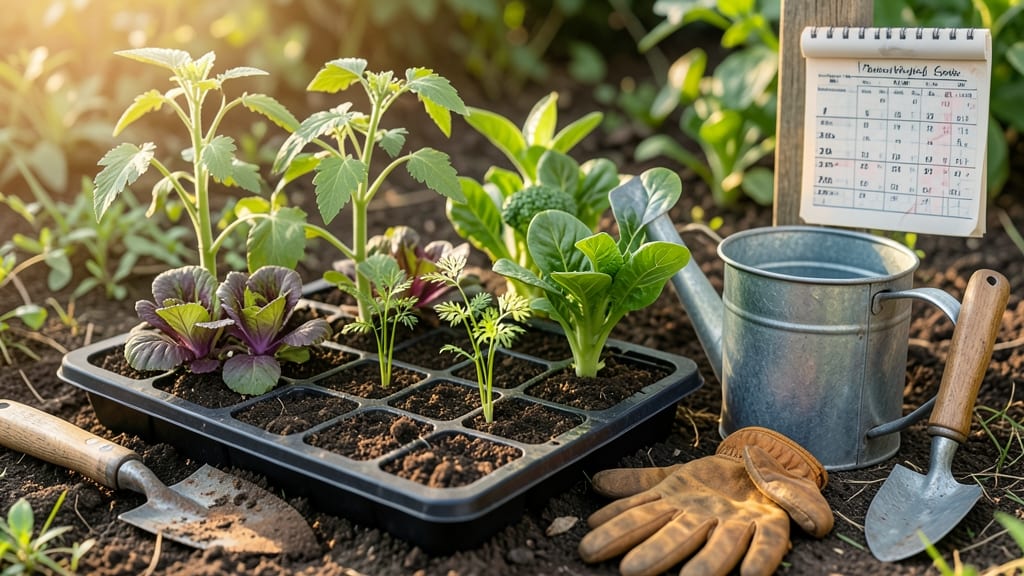
Timing your vegetable garden in Northern California isn't one-size-fits-all—coastal fog can delay spring planting while inland heat might scorch summer crops if you're not careful. Whether you're a first-time gardener or a seasoned pro, getting the schedule right means the difference between a bumper crop and bolting disappointment.
With USDA zones 8a-10a and microclimates ranging from chilly Sacramento to mild coastal areas, knowing exactly when to plant each crop is the key to success.
I'll break down the ideal planting windows for everything from leafy greens to tomatoes, so you can avoid common mistakes and maximize your harvest year-round.
You'll discover how to read frost dates, adjust for your specific region, and even extend your growing season with simple tricks like row covers. Let's dive into the exact timing you need to turn your Northern California garden into a thriving, productive space—no guesswork required.
Ready to plant with confidence? I’ll show you how to align your calendar with your climate, so every seed you sow has the best chance to grow into a delicious harvest. Here’s what you need to know to get started right.
Northern California planting zones: coastal vs. Bay Area vs. Sacramento Valley timing
Northern California’s microclimates create a gardener’s puzzle—what works in foggy San Francisco fails in hot Sacramento. The key? Understanding frost dates and soil temperature thresholds.
Coastal areas (like USDA Zone 9b-10a) rarely freeze, while inland valleys (like Sacramento’s Zone 8a) face last frost dates as late as March 15. This means your lettuce can bolt in May in the Bay Area but thrive until June inland.
For cool-season crops like broccoli and peas, plant 6–8 weeks before your last frost. In the Bay Area, that’s mid-January; inland, it’s late February. Warm-season crops like tomatoes and peppers need soil at 60°F+, which happens 2–4 weeks earlier in Sacramento than near the coast.
Use these regional guides to avoid costly mistakes.
Here’s how to match crops to your microclimate:
| Region | Last Frost Date | First Frost Date | Cool-Season Planting Window | Warm-Season Planting Window |
|---|---|---|---|---|
| Coastal (e.g., San Francisco) | January 15 | December 1 | Fall (Aug–Oct) & Spring (Feb–Apr) | March–November |
| Bay Area (e.g., Oakland) | February 15 | November 15 | Fall (Sep–Nov) & Spring (Feb–Apr) | April–October |
| Sacramento Valley | March 15 | November 1 | Fall (Sep–Nov) & Spring (Mar–May) | May–September |
In coastal areas, you can grow leafy greens year-round, but tomatoes need summer’s heat. Inland, peppers thrive in summer, but broccoli bolts by June. Adjust for heat-tolerant varieties like ‘Heatwave’ tomatoes or ‘Black Seeded Simpson’ lettuce, which handle 90°F+ better than standard types.
For succession planting, use this rule: Plant lettuce every 2 weeks from fall to spring, and sow beans every 3 weeks from May to August. This keeps your harvests continuous and avoids bolting from heat stress.
In Sacramento’s Zone 8a, start cold-hardy crops like kale in late summer for a fall harvest before frost.
Soil temperature is your secret weapon. Use a soil thermometer to confirm 40°F for peas or 60°F for beans.
Coastal soils stay cooler longer—wait until March for tomatoes, while inland gardeners can plant by mid-April. Mulch with straw to regulate temperature and retain moisture, especially in drought-prone inland areas.
Pro tip: Use row covers to extend your cool-season window by 3–4 weeks. In San Francisco, this lets you grow spinach until June instead of bolting by May.
For warm-season crops, black plastic mulch warms soil 5–10°F faster, helping tomatoes and peppers get off to a faster start.
Local USDA maps and CalPoly gardening guides confirm these patterns. For real-time updates, check the Western Regional Climate Center or your county agricultural extension office.
With this microclimate-specific timing, you’ll avoid bolting, maximize yields, and enjoy fresh veggies year-round—no matter where you garden in Northern California.
🌱
How to extend your growing season in Northern California without risking bolting
Northern California’s mild winters and warm summers create perfect conditions for year-round gardening, but only if you know how to extend your planting windows safely. The secret? Soil temperature, seasonal tools, and succession planting—all of which can push your harvests well beyond typical frost dates.
For example, I’ve used low tunnels to grow spinach in December when coastal areas stay frost-free, and row covers to protect tomatoes from late spring chills in the Sacramento Valley.
Start by understanding your soil temperature thresholds. Cool-season crops like peas and lettuce thrive when soil is between 40°F and 60°F, while warm-season crops such as tomatoes and peppers need soil at 60°F or warmer.
Use a soil thermometer to time your planting—this is the #1 way to avoid bolting or stunted growth. For instance, I never plant carrots until the soil reaches 50°F, even if the air feels warm.
Here’s my proven strategy for extending your season without risk: combine row covers with succession planting. Row covers add 2-4°F of warmth and protect tender plants from frost, while succession planting ensures a steady supply of fresh produce.
For example, I plant bush beans every 2 weeks from May through July, guaranteeing a harvest until September. This method works for lettuce, radishes, and kale too!
🌱 Key Takeaways for Extending Your Season
- Start seeds indoors 6–8 weeks before last frost (e.g., tomatoes in February for Bay Area planting).
- Use soil temperature as your trigger: peas at 40°F, beans at 60°F, and basil at 70°F.
- Extend fall harvests with row covers or low tunnels—I’ve grown kale until Christmas this way!
- Avoid planting heat-sensitive crops (e.g., spinach, broccoli) after June 15 in inland areas.
- Try succession planting for quick crops like radishes (30 days) or bush beans (60 days).
One of my favorite tricks is using cold frames or cloches to overwinter crops like onions and garlic. These simple structures can add 10-15°F of warmth, letting you harvest greens well into winter.
I’ve even grown salad greens under cloches in January when coastal areas stay frost-free. For inland gardeners, focus on heat-tolerant varieties like ‘Heatwave’ lettuce or ‘Solar Fire’ basil, which thrive in summer’s intensity.
Don’t overlook the power of mulching to regulate soil temperature. A thick layer of straw or wood chips keeps roots cool in summer and warm in winter. I mulch my tomato beds with straw to prevent soil from overheating, which can cause blossom drop.
For cool-season crops, I use black plastic mulch to warm the soil faster in early spring. Both methods give you 2-3 extra weeks of growing time!
Finally, pay attention to local frost forecasts and adjust your planting schedule accordingly. The USDA Plant Hardiness Zone Map is a great starting point, but I also check local weather stations (like those from the National Weather Service) for real-time updates.
For example, the Sacramento Valley often sees its last frost around March 15, while the Bay Area can plant 2 weeks earlier. By staying flexible and using these tools, you’ll turn Northern California’s microclimates into your garden’s superpower.