
Planting
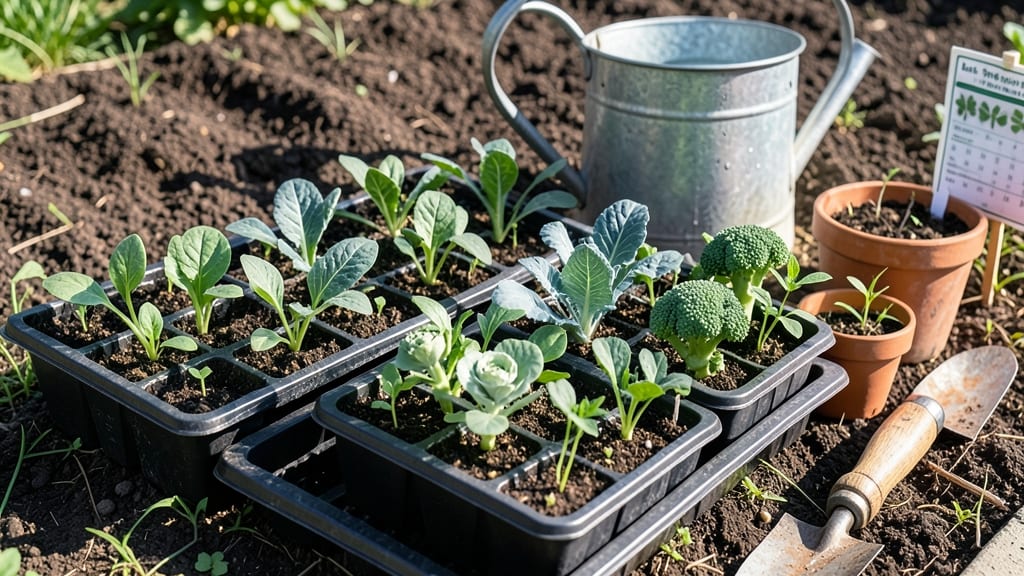
Timing when to plant a vegetable garden in New Jersey can feel like playing a high-stakes game of chance—one wrong move, and your hard work could vanish overnight with a surprise frost or wilt under scorching summer heat.
But here’s the good news: with the right schedule, you can turn those challenges into bountiful harvests year-round.
New Jersey’s 6a-7b climate means cool-season crops like lettuce and peas thrive in early spring and fall, while tomatoes and peppers need to wait until after the last frost—usually mid-April—to avoid stunted growth.
The key is knowing exactly when to plant each crop, whether you’re sowing seeds or transplanting seedlings, to maximize your garden’s potential.
In this guide, I’ll break down the perfect planting windows for every season, from frost dates to heat-tolerant varieties that actually survive NJ’s summers.
You’ll also learn how to extend your growing season with simple tricks like row covers and succession planting, so you’re harvesting fresh veggies from late spring all the way into fall.
Ready to stop guessing and start growing? Let’s dive into the exact schedule that’ll turn your NJ garden into a thriving, productive oasis—no more wasted seeds or disappointed harvests.
NJ’s frost dates & planting zones: the exact timeline for cool-season vegetables
New Jersey’s USDA Zones 6b-7a mean our last spring frost typically arrives between mid-April and early May, while the first fall frost hits around mid-October.
These dates dictate when to plant cool-season crops like lettuce, broccoli, and peas—your window is tight, but with the right timing, you can enjoy fresh harvests all season long.
For spring planting, aim to sow seeds 4-6 weeks before your last frost date. In most of NJ, that means starting seeds indoors by late February to early March for early varieties, or direct-sowing outdoors by mid-March to early April.
This timing ensures seedlings mature before frost threatens tender leaves.
Fall planting is just as critical—cool-season crops thrive in NJ’s mild autumn weather. Start seeds indoors 8-10 weeks before your first frost (around late July to early August) or direct-sow outdoors by mid-August to early September. This gives plants enough time to mature before winter sets in.
Here’s your NJ-specific planting timeline for cool-season vegetables, including how to extend your growing season with row covers and cold frames:
| Crop | Spring Planting Window | Fall Planting Window | Extending Season Tips |
|---|---|---|---|
| Lettuce | Mid-March to early May | Late July to mid-September | Use row covers for late fall harvests |
| Broccoli | Late March to early April | Early August to mid-August | Cold frames protect from light frosts |
| Peas | Early March to mid-April | Late July to early September | Trellis for airflow, reduces disease |
| Spinach | Late March to early May | Late July to early September | Sow every 2 weeks for continuous harvest |
| Kale | Early March to early May | Early August to mid-September | Sweetens after frost—harvest into winter |
If you’re in northern NJ (Zone 6b), like Sussex or Morris counties, your frost dates may arrive 1-2 weeks earlier than in southern NJ (Zone 7a), such as Atlantic City or Cape May.
Always check the NJ Agricultural Experiment Station’s frost maps for real-time updates, as microclimates can shift frost dates by weeks.
For early spring planting, use row covers or cold frames to protect seedlings from late frosts. These tools can push your planting window back by 2-3 weeks, giving you an earlier harvest. Just remove covers during the day to prevent overheating—especially in NJ’s unpredictable spring weather.
One of my favorite tricks is succession planting for crops like lettuce and spinach. Sow a new batch every 2 weeks from mid-March through early May, then repeat in late July to early September for fall. This ensures a steady supply of fresh greens without overwhelming your garden at once.
Don’t forget to harden off seedlings before transplanting outdoors. Acclimate them to NJ’s wind and sun over 7-10 days by gradually exposing them to outdoor conditions. Skipping this step can stress plants, making them more susceptible to bolt (premature flowering) or wilt in the heat.
For fall harvests, prioritize fast-maturing varieties like bush beans or radishes, which can be sown as late as early September in most of NJ. These crops tolerate cooler temps and give you a quick reward before winter sets in.
🌱
Best heat-tolerant vegetables for NJ summers & how to plant them
New Jersey’s summers can hit 90°F+, making traditional vegetables like tomatoes and peppers struggle. But don’t worry—these heat-tolerant varieties thrive in the Garden State’s sweltering conditions. From okra to sweet potatoes, these crops not only survive but produce abundantly when planted at the right time.
To maximize your summer harvest, focus on succession planting—sowing seeds every 2-3 weeks from late May through July. This ensures a continuous supply of fresh produce when other crops might bolt or wilt.
For example, Malabar spinach and black-eyed peas handle heat like pros, while sweet potatoes and eggplants reward patience with bountiful yields.
- 1. Okra: Thrives in 95°F+, loves poor soil, and produces pods for 8+ weeks. Plant after last frost in well-drained beds.
- 2. Sweet Potatoes: Needs long, hot summers (120+ days). Start slips in late May for harvests in October.
- 3. Malabar Spinach: A tropical green that stays tender in heat. Direct-sow in June for continuous harvests.
- 4. Black-Eyed Peas: Drought-resistant and nitrogen-fixing. Plant in late May for pods by August-September.
- 5. Eggplants: Choose long, dark varieties like ‘Black Beauty’. Start seeds indoors in March, transplant after frost.
For succession planting, prioritize fast-maturing crops like bush beans (50-60 days) and cucumbers (55-70 days). Sow seeds every 10-14 days until mid-July to avoid overlapping harvests. Use shade cloth (30-50%) for delicate greens like Swiss chard if temps exceed 90°F for prolonged periods.
Watering is key—deep, infrequent watering (1-2 inches per week) encourages strong root systems. Apply water early morning to prevent fungal diseases like powdery mildew, which thrives in humid NJ summers. Mulch with straw or grass clippings to retain moisture and keep soil temps stable.
Don’t overlook container gardening for heat-sensitive crops. Grow peppers or tomatoes in 5-gallon pots on a patio where you can move them to shadier spots during heatwaves. This flexibility lets you extend the season well into September for a second harvest.
Pro tip: Monitor your garden’s microclimates. A south-facing raised bed may be 10°F hotter than a shaded corner—adjust planting times accordingly. With these strategies, your NJ summer garden will be productive, resilient, and delicious—no wilting in sight! 🌿☀️