
Planting
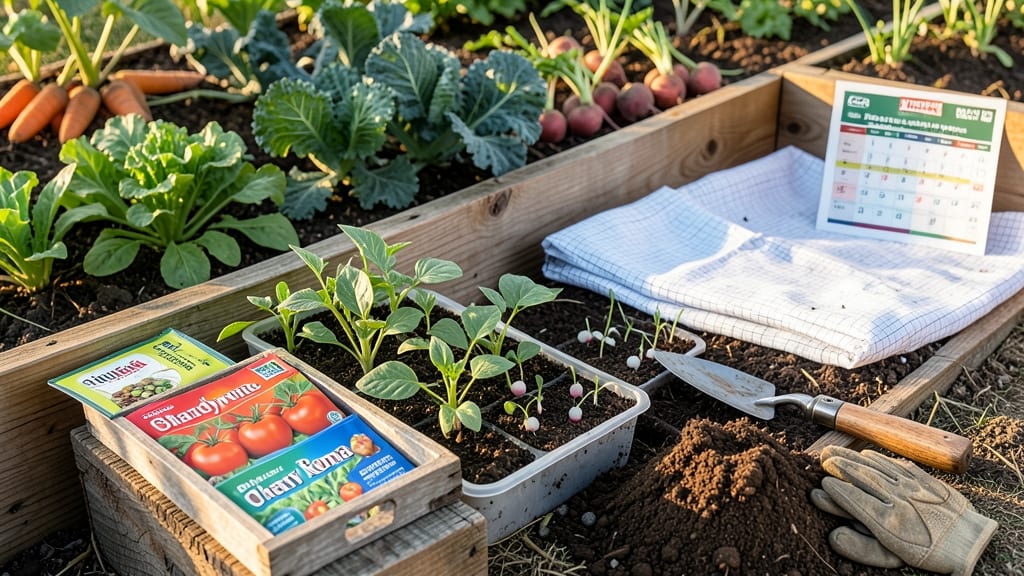
When to plant a vegetable garden in Pennsylvania could mean the difference between a bumper crop and a sad, wilted disappointment—but don’t stress. With the right strategy, you’ll nail those planting windows for your zone, whether you’re in chilly Zone 5b or milder Zone 7a.
Most gardeners in PA start cool-season crops like spinach and peas 4-6 weeks before the last frost, but warm-season favorites like tomatoes and peppers need to wait until after that frost date—usually mid-April to early May in most regions.
The key is knowing your local frost dates and matching them to your plants.
I’ll break down exactly when to plant each crop, from early spring to late summer, so you can avoid common mistakes and maximize your harvest. Whether you’re a beginner or a seasoned gardener, these zone-specific tips will help you grow like a pro.
Ready to turn your backyard into a thriving garden? Let’s get started with the perfect planting schedule for your PA zone.
PA planting calendar by Zone 5-7: frost dates and ideal start times
Pennsylvania spans USDA Zones 5b through 7a, which means your last frost dates can vary by 3-4 weeks depending on where you live.
In Zone 5b (e.g., Erie, Scranton), expect your average last frost around April 15, while Zone 7a (e.g., Philadelphia, Pittsburgh) typically sees frost-free conditions by March 15. These differences are critical for timing your cool-season vs. warm-season crops correctly.
For cool-season vegetables like lettuce, spinach, and peas, you’ll want to start seeds 4-6 weeks before your last frost date.
This means indoor seed starting in early March for Zone 5b and late February for Zone 7a. Meanwhile, warm-season crops such as tomatoes, peppers, and cucumbers need to wait until 2-3 weeks after your last frost—usually mid-to-late May in Zone 5b and early May in Zone 7a.
Here’s the key: Soil temperature matters more than air temperature. Most warm-season crops thrive when soil reaches 60°F or warmer. Use a soil thermometer to check—if it’s below 55°F, wait a few more weeks.
In Zone 6 (e.g., Harrisburg, State College), this often aligns with late April to early May, but urban areas like Philadelphia may warm up 1-2 weeks earlier due to the urban heat island effect.
Don’t forget about fall planting! Many cool-season crops can be sown in late summer (August) for a fall harvest. Aim to plant 6-8 weeks before your first frost—typically early September in Zone 5b and mid-September in Zone 7a.
This gives crops like kale, radishes, and carrots enough time to mature before winter sets in.
| Zone | Last Frost Date | First Frost Date | Cool-Season Start (Indoors) | Warm-Season Start (Outdoors) | Fall Planting Window |
|---|---|---|---|---|---|
| 5b (Erie, Scranton) | April 15 | October 15 | Early March | Mid-to-late May | Early September |
| 6 (Harrisburg, State College) | April 1 | October 30 | Late February | Early May | Mid-September |
| 7a (Philadelphia, Pittsburgh) | March 15 | November 15 | Late February | Early April | Late September |
If you’re in Zone 5b and eager to plant early, consider using row covers or cold frames to extend your growing season. These tools can protect tender seedlings from late frosts, allowing you to plant 2-3 weeks earlier than the average last frost date.
For example, you might safely transplant tomato seedlings in early May in Zone 5b with a row cover, rather than waiting until mid-May.
For succession planting, plan to sow fast-growing crops like lettuce, radishes, and bush beans every 2-3 weeks after your initial planting. This ensures a continuous harvest throughout the season.
In Zone 6 and 7a, you can even squeeze in a second planting of warm-season crops like okra or sweet potatoes in late June, giving them time to mature before frost.
Pro tip: Use PA State University Extension’s frost date maps for your exact location. These tools provide hyper-localized data and can help you fine-tune your planting schedule. For instance, Pittsburgh’s frost dates might align more closely with Zone 6b, while Philadelphia leans toward Zone 7a.
Remember, microclimates play a huge role in PA. A south-facing slope or urban garden can warm up faster than a shady valley. Observe your garden’s unique conditions over a few years to refine your planting timeline—this is how experienced PA gardeners maximize their harvests!
🌱
Best vegetables to plant in PA by season: a Zone-specific guide
Pennsylvania’s diverse climate across Zones 5-7 means you can grow a wide variety of vegetables—if you know which thrive in each season. Cool-season crops like spinach and peas love spring’s chill, while warm-season favorites like tomatoes and peppers need summer’s heat.
Let’s break it down by season and zone to maximize your harvest.
For Zone 5b (e.g., Pittsburgh), start cool-season crops like kale and carrots in early April, while Zone 7a (e.g., Philadelphia) can plant them as early as mid-March. Warm-season crops like peppers and eggplants should wait until after the last frost—typically late May in Zone 5 and early May in Zone 7.
🌱 PA Seasonal Planting Guide by Zone
🌿 Spring (March-May)
- Zone 5b: Peas, spinach, lettuce, radishes
- Zone 6: Kale, broccoli, carrots, beets
- Zone 7a: Onions, garlic, Swiss chard
☀️ Summer (June-August)
- All Zones: Tomatoes, peppers, cucumbers, beans
- Zone 7a: Okra, sweet potatoes, basil
- Zone 5b: Bush beans, zucchini, summer squash
🍂 Fall (September-November)
- Zone 5b: Winter squash, Brussels sprouts, turnips
- Zone 6: Lettuce, radishes, green onions
- Zone 7a: Spinach, kale, garlic for overwintering
Pro tip: Succession planting works wonders in PA. After harvesting early crops like radishes or lettuce, replant with fast-growing varieties like bush beans or carrots to keep your garden productive all season.
For example, in Zone 6, plant a second crop of spinach in late July for a fall harvest.
Don’t overlook regional favorites that thrive in PA’s climate. ‘Striped German’ tomatoes and ‘Walla Walla’ onions are beloved for their flavor and adaptability.
If you’re in Zone 7a, you can even extend your growing season with row covers or a cold frame for late fall crops like spinach or arugula.
For summer planting, prioritize heat-loving crops like peppers and eggplants. In Zone 5b, start seeds indoors in March and transplant after the last frost. In Zone 7a, you can direct-sow after mid-April. Always monitor soil temperature—warm-season crops need soil at least 60°F to germinate properly.
Remember: Fall planting is your chance to harvest into winter. In Zone 6, sow garlic and onions in October for next year’s crop. In Zone 5b, focus on cold-hardy greens like kale and Swiss chard, which sweeten after frost.
With the right timing, you can enjoy fresh veggies well into December!