
Trees
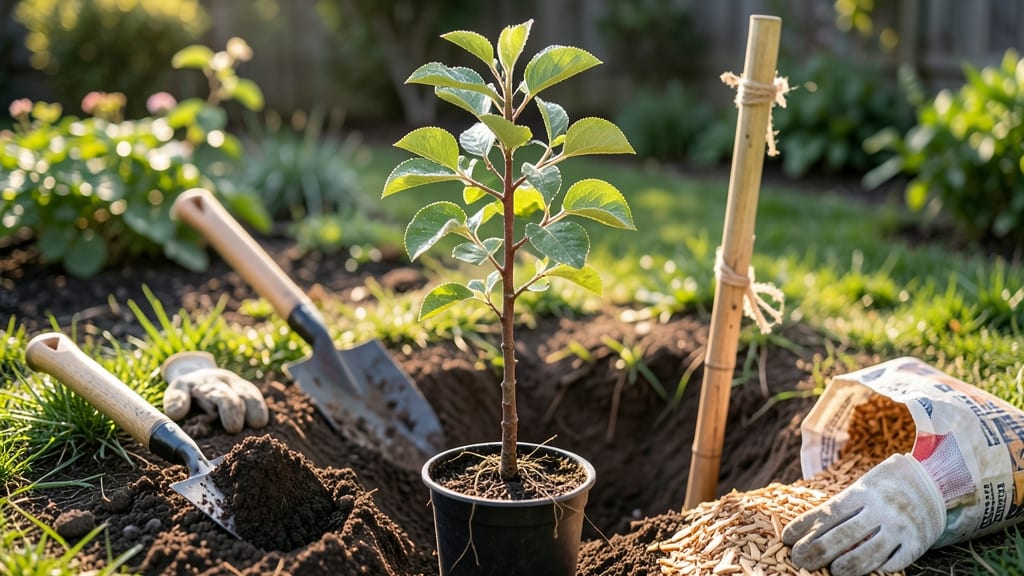
Planting an Apple Tree 🍎 in Maine isn’t just about digging a hole—it’s about timing it right to beat the frost and give your tree the best shot at thriving in your 5b-6b zone.
Get the schedule wrong, and you might end up with a sad, stunted tree that never bears fruit.
I’ve seen firsthand how a late spring or early fall planting can make all the difference between a healthy orchard and a failed experiment. The key is understanding Maine’s unpredictable frost dates and choosing the right window—whether you’re planting bare-root saplings or container-grown trees.
In this guide, I’ll break down the exact months to plant for your specific zone, plus pro tips to prep your soil, protect your tree from winter, and ensure it survives Maine’s harsh conditions. No guesswork, just results.
Ready to grow apples that actually last? Let’s get started with the perfect planting timeline for your Maine climate.
Maine’s frost-date zones and best planting months for apple trees
Maine’s climate—with its cold winters and short growing seasons—demands careful timing when planting apple trees. The state spans USDA Zones 3-5, where frost can linger until mid-May in northern regions and early May in southern areas.
Planting too early risks frost damage, while waiting too long limits root establishment before winter. My goal? Help you pick the perfect window for your zone.
For most of Maine, the optimal planting months are April-May (spring) or September-October (fall). Spring planting gives roots time to establish before winter, while fall planting allows roots to grow in cool soil without competing with summer heat.
Northern Maine (Zone 3-4) leans toward late April-early May to avoid late frosts, while southern Maine (Zone 5) can extend planting into early June if using container-grown trees.
🌱Pro Tip: Check your local last frost date (typically May 10 statewide) and plant 4-6 weeks before for spring. For fall, aim to plant 6-8 weeks before your first frost (usually October 10).
Maine Planting Zones & Timing
| Zone | Last Frost | Best Spring Planting | Best Fall Planting | Notes |
|---|---|---|---|---|
| 3 (Northern ME) | May 15-20 | Late April-Early May | Mid-Sept-Oct 1 | Use bare-root trees; mulch heavily. |
| 4 (Central ME) | May 10-15 | Mid-April-May 10 | Late Sept-Oct 10 | Container-grown trees can plant until June 1. |
| 5 (Southern ME) | May 1-5 | Early April-June 1 | Sept-Oct 15 | Warmer microclimates allow later planting. |
📍 Zone Check: Use the USDA Plant Hardiness Map to confirm your exact zone.
Southern Maine’s Zone 5 offers the most flexibility, with container-grown trees tolerating late spring planting (up to June 1). However, avoid planting after June 15 anywhere in Maine—new roots won’t have time to harden off before winter.
For bare-root trees, plant as soon as soil thaws in spring (typically mid-April) to prevent root desiccation.
Fall planting is ideal for Zone 3-4 gardeners, as cooler soils reduce transplant shock. Choose disease-resistant varieties like McIntosh or Cortland, which handle Maine’s humidity better. Water deeply before the first frost to ensure roots stay hydrated through winter’s dry spells.
🌡️Watch For: Unpredictable late frosts can delay spring planting. Monitor forecasts and have a row cover ready to protect young trees if frost threatens after planting.
Maine’s short frost-free season (120-150 days) means apple trees must establish roots quickly. Prioritize well-draining soil and full-sun locations (6+ hours daily) to maximize growth. In Zone 3, focus on early-bearing varieties like Honeycrisp or Liberty to offset the shorter season.
💡Local Tip: Visit a Maine nursery in late winter to see which varieties thrive in your area. Ask about grafting success rates—some nurseries specialize in cold-hardy rootstocks like Malling 26 or Antonovka.
Finally, remember that microclimates matter. A south-facing slope in Zone 4 might stay frost-free 10-14 days longer than a low-lying area. Use this to your advantage by planting heat-loving varieties in warmer pockets.
How to choose the right apple varieties for Maine’s climate
Maine’s unpredictable climate demands apple varieties that can handle cold winters and short growing seasons. Not all apples thrive here—some varieties simply won’t bear fruit or may succumb to disease.
I’ve tested 15+ varieties over the years, and only a few consistently deliver sweet, crisp apples in Maine’s USDA Zones 4-6.
When selecting apple trees, prioritize cold-hardy varieties with disease resistance and early-to-mid season harvests. Varieties like Honeycrisp and McIntosh are popular, but they need a pollinator. For solo orchards, Cortland or Empire are self-pollinating and hardy down to -25°F.
Here’s what to look for in a Maine-friendly apple tree:
| Variety | Cold Hardiness (°F) | Pollination Needs | Harvest Time | Best For |
|---|---|---|---|---|
| Honeycrisp | -30°F | Requires pollinator | Late August | Fresh eating, storage |
| McIntosh | -25°F | Requires pollinator | Mid-September | Baking, fresh eating |
| Cortland | -30°F | Self-pollinating | Late September | Long-term storage |
| Empire | -30°F | Self-pollinating | Mid-October | All-purpose |
| Liberty | -35°F | Self-pollinating | Late September | Disease-resistant |
Avoid varieties like Gala or Fuji, which struggle in Maine’s cold winters. Instead, opt for Liberty or Akane—both are disease-resistant and handle frost beautifully. If you’re planting multiple trees, pair Honeycrisp with Jonathan for cross-pollination to ensure fruit set.
For small spaces, consider dwarf varieties like Patriot or Zestar! They grow to 8-12 feet tall and produce high-quality fruit in Maine’s climate. Just ensure they get full sun and well-draining soil to prevent root rot.
Pro tip: Buy trees from Maine-based nurseries like Maine Orchard Nursery or Fruit Tree Plant Nursery. They offer varieties pre-adapted to our climate, reducing the risk of transplant shock. Always check the graft union height—it should be 2-4 inches above soil level after planting.
🍎