
Trees
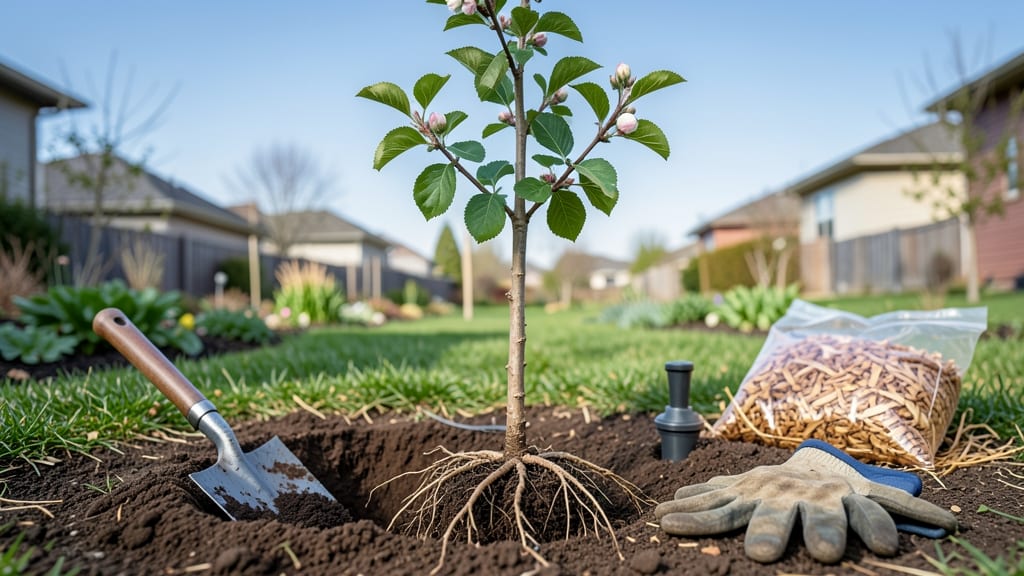
Planting an Apple Tree 🍎 in Oregon at the wrong time could mean years of waiting for fruit—or worse, no fruit at all. The perfect window depends on your USDA zone (7b-9a), chill hours, and last frost dates, which vary wildly from Portland to Eastern Oregon.
Most gardeners in Oregon plant their Apple Trees between late winter and early spring, but timing isn’t just about the calendar—it’s about avoiding late frosts that can kill young roots or blooms.
In the Willamette Valley, you’ve got a narrow margin between March 15 and April 15, while Eastern Oregon can wait a bit longer.
Whether you’re planting bare-root saplings or container-grown trees, I’ll break down the exact months to plant in your specific region, plus how to prep your soil and choose varieties that thrive in Oregon’s microclimates. Skip the guesswork and set your orchard up for success.
Ready to grow apples that actually bear fruit? Let’s dive into the chill-hour zones, frost-free timing, and pro tips that’ll make your Apple Tree 🍎 the star of your yard.
Oregon’s chill-hour zones: how to match apple varieties to your location
Oregon’s diverse climate creates three distinct chill-hour zones for apple trees, each requiring specific varieties to thrive. Chill hours—the number of hours below 45°F during winter—are critical for fruit production. If you plant the wrong variety, your tree may bloom but fail to set fruit.
Western Oregon, including the Willamette Valley, typically sees 600-1,000 chill hours, while the Columbia Gorge averages 800-1,200 chill hours. Eastern Oregon, especially areas near Bend or La Grande, can exceed 1,200-1,500 chill hours, making it ideal for traditional apple varieties.
Here’s how to match your location to the right apple tree varieties. The USDA Hardiness Zones 7b-9a in Oregon mean you can grow everything from dwarf varieties to full-sized trees, but chill hours dictate success.
🌱
| Region | Chill Hours | Best Varieties | Notes |
|---|---|---|---|
| Willamette Valley | 600-1,000 | Fuji, Gala, Granny Smith, Honeycrisp | Moderate chill; needs cross-pollination. |
| Columbia Gorge | 800-1,200 | Jonathan, McIntosh, Rome, Pink Lady | Higher chill; classic flavor varieties. |
| Eastern Oregon | 1,200-1,500+ | Golden Delicious, Red Delicious, Jonathan | High chill; hardy varieties thrive here. |
| Coastal Oregon | 500-800 | Dwarf Gala, Fuji, Honeycrisp | Milder winters; dwarf varieties recommended. |
If you’re in Western Oregon, avoid varieties like Granny Smith, which require over 1,000 chill hours. Instead, opt for Honeycrisp or Fuji, which adapt well to 600-800 chill hours.
For Eastern Oregon, traditional varieties like Jonathan or Red Delicious thrive with 1,200+ chill hours.
Always check the chill-hour requirements of your chosen variety before planting. A tree that doesn’t get enough chill hours may bloom but produce no fruit, wasting years of growth. For example, Pink Lady apples need 800+ chill hours, making them a poor choice for the Willamette Valley.
For cross-pollination, plant at least two compatible varieties within 50 feet of each other. Many popular apples, like Gala and Fuji, require another tree to produce fruit. Check the pollination group of your chosen varieties to ensure compatibility.
🌿
Soil type also plays a role in apple tree success. Oregon’s volcanic soils in Eastern Oregon drain well but may lack organic matter, while Western Oregon’s loam soils retain moisture better. Amend your soil with compost or well-rotted manure to improve drainage and fertility before planting.
Finally, consider microclimates in your area. A south-facing slope may have fewer chill hours than a north-facing yard, while a valley bottom might experience later frosts. Use these insights to fine-tune your planting location and variety selection.
✂️
Best planting months in Oregon: frost-free timing by region
Oregon’s diverse climate means your apple tree planting window depends heavily on where you live. In the Willamette Valley, where last frosts hit around March 15, aim to plant between February 15 and March 31.
This gives roots time to establish before spring warmth triggers growth. Meanwhile, Eastern Oregon (like Bend or La Grande) can wait until April 1–May 15, thanks to later frost dates.
Coastal areas like Astoria or Newport have milder winters, so late winter (February) is ideal—just avoid planting if frost warnings linger. The key is planting 2–3 months before your last frost date, ensuring roots anchor before buds swell.
Check your USDA zone (7b–9a) and local frost charts to fine-tune timing.
For bare-root trees, plant as soon as they arrive in dormant season (late winter), while container-grown trees can handle spring planting (March–April) with minimal stress. Both types need well-draining soil and protection from late frosts—use frost cloth if needed.
📌 Top 5 Planting Timing Tips for Oregon
- Willamette Valley: Plant Feb 15–Mar 31 (last frost ~Mar 15).
- Eastern Oregon: Plant Apr 1–May 15 (later frosts).
- Coastal Oregon: Plant Feb–Mar (milder winters).
- Bare-root trees: Plant immediately upon arrival (dormant season).
- Container trees: Plant March–April (avoid summer heat).
Soil preparation is just as critical as timing. Test your soil’s pH (6.0–7.0) and amend with compost or aged manure 4–6 weeks before planting. Dig a hole twice as wide as the root ball but only shallow enough to keep the graft union above soil level.
Mulch heavily to retain moisture and suppress weeds.
If you miss the ideal window, don’t panic—fall planting (October–November) works in USDA Zone 8–9 (e.g., Southern Oregon). Just ensure the ground isn’t frozen, and water deeply before winter rains take over. Avoid planting in summer heat, as young roots struggle to establish.
Pro tip: Group apple trees with pollinators (like Honeycrisp or Fuji) within 50 feet for cross-pollination. And monitor your local frost forecast—a surprise freeze after planting can stunt growth. With the right timing, your apple tree 🍎 will reward you with fruit in 3–5 years!