
Plants
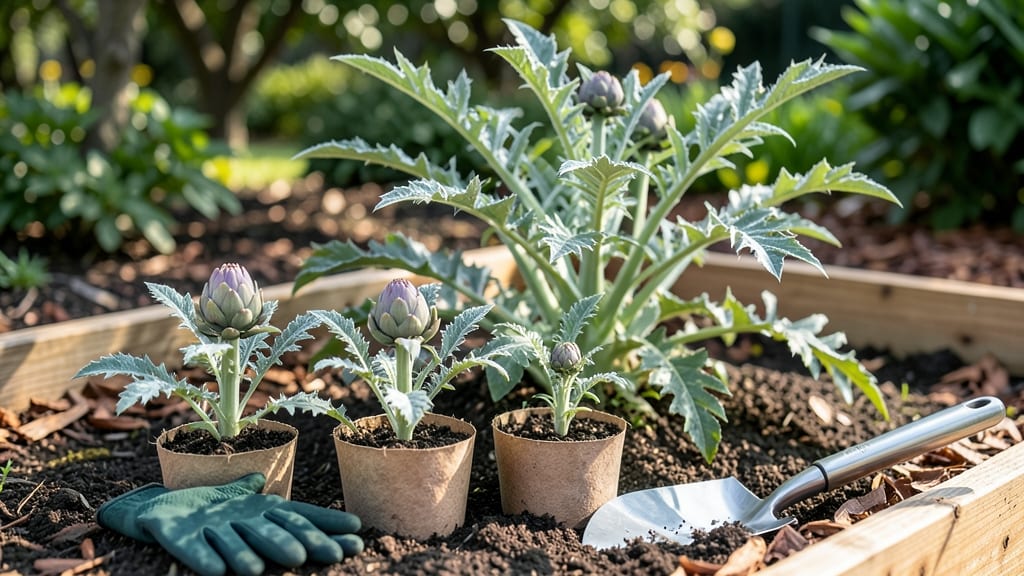
Timing your artichoke planting in Arizona isn't just about the calendar—it's about beating the desert's heat before it turns your tender seedlings into sad, bolted stalks. 🌱 The key window runs from November to February, when cooler temperatures give your plants the best shot at establishing strong roots before summer's relentless sun arrives.
Here's the secret most gardeners miss: Arizona's microclimates matter. In USDA Zone 9b, high-desert areas like Flagstaff have different frost risks than Phoenix's low desert, and soil warms up at different rates.
Planting too early in the low desert risks frost damage, while waiting too long in cooler zones means your artichokes will bolt before they mature.
What makes this even trickier is Arizona's alkaline soil and extreme temperature swings. You'll need to prep your soil with compost to improve drainage and monitor soil temperatures—aim for 60-65°F before planting.
I'll show you exactly how to navigate these challenges so you can enjoy a bountiful harvest from March to May instead of watching your plants struggle.
Let's dive into the exact planting schedule and pro tips that'll have your artichokes thriving when most gardeners are already sweating through summer. You'll learn how to avoid the dreaded bolting that ruins harvests and get varieties that actually perform in Arizona's harsh conditions.
Best planting times for artichokes in Arizona’s desert climate
Arizona’s unique microclimates—from the low-desert heat of Phoenix to the high-desert chill of Flagstaff—create a tricky balance for growing artichokes. The key to success? Planting during cooler months when soil temperatures stay below 70°F to prevent bolting.
In most of Arizona, this means focusing on fall and winter planting (November through February), with slight regional adjustments.
For Phoenix and Tucson (USDA Zone 9b-10a), aim to plant 6-8 weeks before the last frost (typically mid-November to early January). In Flagstaff and Prescott (Zone 7a-8a), you can extend planting into late February or even early March thanks to cooler temperatures.
The goal is to give plants 120-150 days to mature before summer heat arrives.
Artichokes are cool-season crops, so they’ll bolt (flower prematurely) if exposed to consistent temperatures above 80°F.
This is why timing is everything—plant too late, and your plants will rush to flower instead of producing those prized buds. Pro tip: Use a soil thermometer to confirm temperatures are stable below 65°F before planting.
Here’s the critical timeline for Arizona gardeners:
- Low Desert (Phoenix/Tucson): Plant November 15–January 15
- High Desert (Flagstaff/Prescott): Plant October 15–March 1
- Transition Zones (Sedona/Jerome): Plant November 1–February 15
| Region | Best Planting Window | Soil Temp Threshold | Key Risk |
|---|---|---|---|
| Low Desert (Phoenix/Tucson) | Nov 15–Jan 15 | Below 65°F | Bolting from heat |
| High Desert (Flagstaff/Prescott) | Oct 15–Mar 1 | Below 60°F | Late frost damage |
| Transition Zones (Sedona) | Nov 1–Feb 15 | Below 68°F | Temperature swings |
🌡️ Soil temperature is your #1 guide—never plant if it’s above 70°F!
If you’re starting from seeds, begin indoors 8-10 weeks before your target planting date (so mid-September for low desert, August for high desert). Seedlings need 6-8 weeks of indoor growing before transplanting.
For transplants, purchase hardened-off plants from local nurseries in October or November—they’ll have a head start on the season.
Arizona’s alkaline soil (pH 7.5–8.5) can stunt artichoke growth, so amend your beds with compost and sulfur to lower pH to 6.5–7.0 before planting.
Mix in 2–3 inches of organic matter and ensure well-draining soil to prevent root rot. Test your soil in late summer to give yourself time to adjust before planting.
One common mistake? Planting too early in high-desert areas and risking frost damage. Use row covers or cold frames if you’re pushing the envelope into March. In low-desert zones, avoid planting after January 15—even if you use shade cloth, the heat will still trigger bolting by spring.
For container growing, stick to November–December planting in Arizona. Containers heat up faster, so use black plastic pots to absorb heat and self-watering systems to maintain moisture. Place pots in partial shade during peak afternoon sun to extend the growing season by 2–3 weeks.
Remember: Artichokes are perennials in Arizona’s mild winters, but they’ll bolt and die back if summer heat hits too soon. With the right timing, you can harvest March through May—just as local markets are still thin on fresh artichokes! 🌱
Best planting times for artichokes in Arizona’s desert climate
Arizona’s USDA Zone 9b climate demands precision when planting artichokes. The ideal window runs from November through February, when soil temperatures hover between 60-65°F—perfect for germination and root establishment.
This timing ensures your plants mature before Arizona’s summer heat triggers bolting, the dreaded process where plants flower prematurely instead of producing edible buds.
Why this window? Artichokes are cool-season crops that hate heat stress. Planting too early (before December 15) risks frost damage in high-desert areas like Flagstaff, while waiting too long (after February 15) means your plants will bolt before producing harvestable buds.
The key is balancing soil warmth with cooler air temperatures to give your plants the best shot at survival.
Here’s the breakdown by region: In Phoenix and low-desert zones, aim for November 15–January 15 when nights stay cool but days warm up slightly. For Flagstaff and high-desert areas, extend your window to October 15–February 15 to account for later frosts.
Always check your local last frost date—Arizona’s can vary by 2–4 weeks depending on elevation.
Before planting, test your soil temperature with a soil thermometer—artichokes won’t germinate well below 60°F. If your soil is too cold, start seeds indoors under grow lights 6–8 weeks before your target outdoor date.
For direct sowing, plant seeds ½ inch deep and keep the soil consistently moist until germination (typically 10–20 days).
One of my biggest mistakes was planting artichokes in March—by May, my plants were already bolting! The lesson? Stick to the November–February window, and use transplants (not seeds) if you’re in a hotter microclimate like Phoenix.
Transplants give you a 4–6 week head start on growth, reducing bolting risk.
Once planted, focus on consistent moisture and mulching to keep roots cool. Avoid fertilizing heavily until plants are 4–6 inches tall—too much nitrogen early on can encourage leafy growth at the expense of buds.
With the right timing and care, you’ll enjoy harvests from March to May instead of watching your plants struggle in the heat. 🌿