Plants
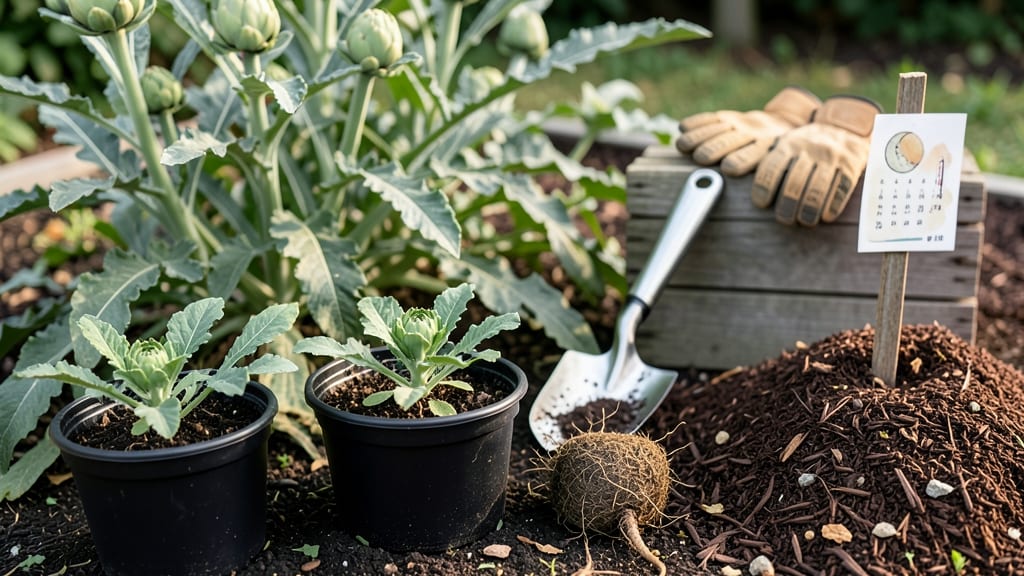
Timing is everything when it comes to growing artichokes in Zone 7—plant them too early, and you risk bolting before harvest, while too late could mean struggling with summer heat.
The key is knowing when to plant artichokes in Zone 7 to balance cool soil and warm days, ensuring your 🌱 thrives without rushing to flower.
In Zone 7, your best bet is early spring (March-April) when soil temperatures hover around 50-60°F, giving plants time to establish roots before summer’s intensity. But don’t overlook late summer (August) as a second chance—this lets you sneak in a fall harvest before the first frost.
Whether you’re starting from seed or transplants, the goal is the same: avoid the heat. Heat-resistant varieties like 'Green Globe' or 'Imperial Star' can handle Zone 7’s summers better, but proper timing is still your secret weapon. Let’s break down how to get it right for your garden’s microclimate.
From mulching for cold protection to adjusting for hotter sub-regions, small tweaks make a big difference. By the end, you’ll know exactly when to plant, how to prep your soil, and what to watch for to keep your artichokes happy—no guesswork required.

Optimal planting times for artichokes in Zone 7 to prevent heat stress
Artichokes love cooler temperatures, but Zone 7’s warm summers can trick them into bolting (flowering too early). The key is planting at the right time—when soil temps are 55-65°F and heat waves haven’t arrived yet.
For most of Zone 7, this means early spring (March-April) or late summer (August) for a fall harvest.
Timing matters because artichokes are sensitive to heat stress. If planted too late in spring, they’ll bolt before producing edible buds. Conversely, a fall planting gives them time to mature before winter. Let’s break down the best windows and soil prep to set your plants up for success.
🌱
| Stage | Action | Zone 7 Timing |
|---|---|---|
| Soil Prep | Test pH (6.5-7.5), add compost | February-March |
| Spring Planting | Transplants 4-6 weeks before last frost | March-April |
| Fall Planting | Transplants 8-10 weeks before first frost | August-September |
| Soil Temp Check | Wait until soil reaches 55°F+ | March (spring) or August (fall) |
| Mulching | Add 2-3" mulch after planting | Immediately after planting |
For Zone 7a gardeners (cooler microclimates like the Appalachians), you can push spring planting to mid-April without risking bolting. But in Zone 7b areas (hotter, like central Texas), aim for early March to give plants time to establish before summer heat hits.
If you’re starting from seeds, begin them indoors 6-8 weeks before your target outdoor date. Seedlings need consistent warmth (70°F) to germinate, so use a heat mat if your home runs cool. Transplant outdoors only after nighttime temps stay above 50°F.
Pro tip: Use shade cloth (30-50%) during the hottest part of summer to protect established plants. This mimics cooler conditions and delays bolting. Pair this with deep watering (1-2 inches per week) to keep roots cool.
💧
Artichokes planted in late summer (August) for a fall harvest need extra care. Choose heat-tolerant varieties like 'Violetto' and give them partial shade during peak afternoon heat. Harvest before the first frost (October 15 in Zone 7) to enjoy tender buds.
Remember: The goal is to avoid heat stress during the plant’s most vulnerable stages—germination and bud formation. With the right timing and a little shade, you’ll get artichokes that stay productive well into summer!
Optimal planting times for artichokes in Zone 7 to prevent heat stress
Zone 7 gardeners face a unique challenge with artichokes—they love cool weather but can bolt prematurely in summer heat. The key is planting early spring or late summer when soil temps stay below 75°F for optimal growth.
Aim for 4-6 weeks before your last frost date (typically mid-April) or late August for a fall harvest.
Artichokes need consistent cool soil to establish roots before summer heat arrives. Test soil temperature with a thermometer—ideal planting temps are 55-65°F. In hotter Zone 7 microclimates (like urban areas), opt for shade cloth or mulching to delay heat stress.
| Planting Stage | Zone 7 Timing | Key Considerations |
|---|---|---|
| Early Spring | March-April | Soil temps 55-65°F, 4-6 weeks before last frost |
| Late Summer | August | Harvest before first frost (Oct 15), use shade cloth if needed |
| Soil Prep | 2-3 weeks before planting | Amend with compost, ensure well-draining soil |
For transplants (recommended for Zone 7), choose 6-8 week old starts from nurseries. Harden them off for 10-14 days before transplanting to avoid transplant shock. Space plants 3-4 feet apart—they need room to grow into 3-6 foot bushes.
In hotter Zone 7 areas, consider raised beds with black plastic mulch to warm soil faster in spring.
If planting from seed, start indoors 8-10 weeks before last frost. Seedlings need 12 hours of light daily to prevent legginess. Direct sowing in Zone 7 is risky—seeds need consistent moisture and warm soil to germinate, which can be unreliable in spring's fluctuating temps.
After planting, mulch heavily with straw or wood chips to retain moisture and regulate soil temp. Water deeply 2-3 times per week during establishment, always at soil level to avoid wetting foliage (which causes fungal diseases). In summer, increase watering to every 5-7 days to prevent bolting.
Remember: Heat is the enemy of artichokes. By planting early or late, you give them the cool growing season they crave. With the right timing, you'll enjoy harvests from May to July—just don't let those buds open too soon!