
Plants
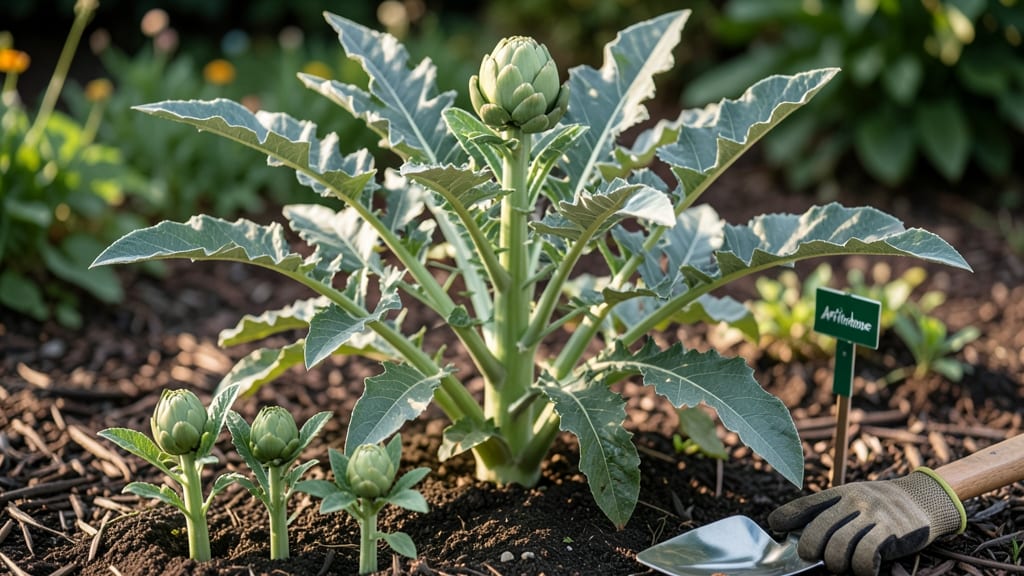
Planting artichokes in Zone 9 at the wrong time can turn your garden into a bitter disappointment—literally. These 🌱 beauties bolt faster than you can say "zero-harvest" when summer heat sneaks up too soon.
Here's the secret: Zone 9 gardeners like you get the edge by planting between October and March, when temperatures stay mild enough to prevent bolting. This timing lets your artichokes mature sweetly through winter and early spring, avoiding the 3 PM heat crash that triggers early flowering.
I've seen firsthand how a simple fall start can mean the difference between a bountiful harvest and a sad, empty patch.
Let me walk you through exactly when to plant, how to protect your plants from Zone 9's quirks, and the 3-step care routine that keeps your artichokes thriving all season long.
Ready to grow artichokes that taste like victory? Let's dive into the perfect planting schedule and care tips tailored just for your climate.

Optimal planting timeline for Zone 9 artichokes (fall vs spring)
Zone 9’s mild winters and hot summers create a unique challenge for growing artichokes. Unlike cooler climates, you can’t plant in early spring—timing is everything to avoid premature bolting, which turns your artichokes bitter before harvest.
The key is planting when soil temps drop below 75°F but stay above 50°F, typically in late summer to early fall.
Artichokes are cool-season crops, meaning they thrive in temperatures between 55°F and 75°F. In Zone 9, summer heat forces them into bolting mode—a survival mechanism that makes them flower and go to seed instead of producing edible buds.
By planting in fall or early winter, you align their growth cycle with cooler months, ensuring tender, zero-bolt harvests from February to June.
Here’s the golden window for planting in Zone 9: October through March. This timeline avoids the peak summer heat (June–August) while giving plants enough time to establish roots before spring warmth triggers growth.
For example, planting in November yields harvests in March–May, while January plantings produce artichokes in April–June.
Zone 9’s lack of frost means you can plant year-round, but spring plantings after March risk bolting as temperatures rise. The sweet spot is fall, when soil is still warm enough for root establishment but air temps are cooling.
This method also lets you successively plant every 4–6 weeks for a staggered harvest.
🌱 Zone 9 Artichoke Planting Timeline
| Month | Soil Temp (°F) | Planting Window | Harvest Window | Key Notes |
|---|---|---|---|---|
| September | 75–85°F | Late September (risky) | December–February | High bolting risk; use shade cloth |
| October | 70–75°F | Ideal (lowest risk) | January–March | Best for zero-bolt harvests |
| November | 65–70°F | Prime time | February–April | Stagger plantings for continuous harvest |
| December | 60–65°F | Safe (slow growth) | March–May | Use row covers for cold snaps |
| January | 55–60°F | Best for spring harvests | April–June | Avoid planting after mid-January |
| February | 60–65°F | Risky (bolting likely) | May–June | Use shade cloth if planting |
| March | 65–70°F | High bolting risk | June (limited yield) | Not recommended |
Optimal planting timeline for Zone 9 artichokes (fall vs spring)
Zone 9’s mild winters and hot summers create a unique challenge for artichoke growers. Unlike colder zones, you can’t rely on frost to signal planting time—so timing is everything to avoid bitter bolting.
The sweet spot is planting between October and March, when soil temps stay below 75°F and daytime highs dip below 85°F.
Artichokes are cool-season crops that bolt (go to seed) when stressed by heat or drought. In Zone 9, planting in late summer (August-September) is a common mistake—this often leads to premature bolting before harvest. Instead, aim for fall or early spring when temperatures are more predictable.
| Stage | Action | Soil Temp (°F) | Key Notes |
|---|---|---|---|
| Fall Planting | Transplant starts | 60-75°F | October-November; mulch heavily |
| Winter Growth | Minimal care | 50-65°F | Water deeply every 5-7 days |
| Spring Flush | Harvest buds | 60-70°F | February-April; avoid overwatering |
| Summer Dormancy | Remove plants | Above 85°F | Prevents bolting; replant fall |
For spring planting, transplant 2-3 week-old starts in February-March when soil temperatures rise above 60°F. This method works for Green Globe or Imperial Star varieties, which tolerate slight heat better than others.
However, spring-planted artichokes often bolt faster due to Zone 9’s quick warming—so fall planting is my top recommendation for beginners.
Pro tip: Use a soil thermometer to monitor temps. Artichokes thrive when soil stays between 60-75°F—any hotter, and you risk bolting within 6-8 weeks.
In Phoenix or Las Vegas, this means avoiding May-July plantings entirely. Instead, time your harvest to finish by late June before summer heat sets in.
If you’re in coastal Zone 9 (e.g., San Diego), you have a slight advantage—cooler ocean breezes delay bolting. Plant 1-2 weeks later than inland areas (e.g., November instead of October) to extend your harvest window. Always choose bolt-resistant varieties like ‘Green Globe’ or ‘Romanesco’ for Zone 9.
Remember: Artichokes are biennials—they produce buds in their first year and flower in their second. In Zone 9, most gardeners replace plants annually to avoid declining yields from summer heat stress. This keeps your garden productive year-round with minimal bolting.