
Plants
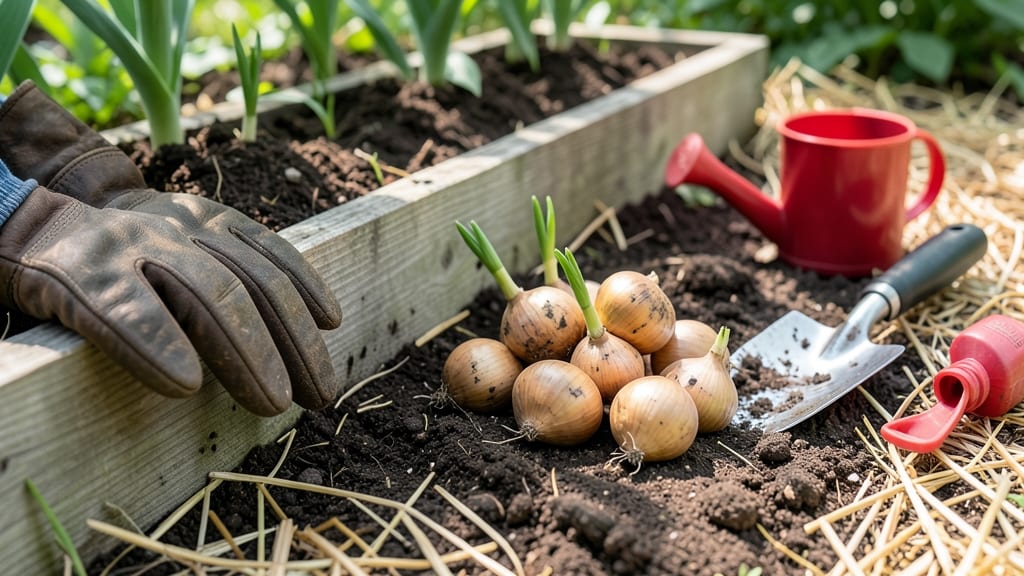
Timing when to plant asiatic lily bulbs in spring just right is the secret to those show-stopping summer blooms—plant too early, and frost will zap your progress; wait too long, and you’ll miss the prime growth window.
The perfect moment arrives when soil warms to 60°F, signaling it’s safe to dig in without risking damage.
For gardeners in USDA Zone 6a (like me!), that usually means mid-to-late spring, after your last frost date—typically around April 15th, though your local microclimate might shift things by a week or two.
The key is watching for those first tender shoots, a sure sign your bulbs are waking up and ready for action.
But here’s the thing: rushing the process can backfire. Planting too soon in chilly soil stunts root growth, while waiting until June cuts your blooms short.
I’ll walk you through exactly how to test soil temperature, pick the ideal spot, and prep your Asiatic Lily for a season of vibrant color—no guesswork involved.
Once you’ve got the timing down, the real magic happens with proper care: watering, mulching, and a little fertilizer know-how. Let’s make sure your 🌸 Asiatic Lilies put on a performance that steals the show—starting with the right planting window.
Optimal soil temperature for planting Asiatic lily bulbs in spring
Timing your Asiatic lily bulb planting is all about soil temperature, not just air temperature. These bulbs need the ground to warm to at least 60°F (15°C) before planting—any cooler, and growth slows dramatically.
I’ve learned this the hard way: planting too early in my USDA Zone 6 garden led to weak shoots that struggled to emerge.
Why 60°F soil? At this temperature, bulbs metabolize quickly, sending roots downward and shoots upward. Below 55°F (13°C), fungal diseases like botrytis thrive, while above 70°F (21°C), bulbs may sprout too fast and become stressed. The ideal window is when nighttime temps stay above 50°F (10°C) consistently.
Here’s how I test soil temperature: Stick a soil thermometer 4-6 inches deep (the planting depth) in your garden bed. Check it every morning for 3 consecutive days—if it’s consistently 60°F+, it’s time to plant.
In my Zone 7 garden, this usually falls in mid-April, but in Zone 4, I wait until late May.
Regional timing varies widely. For example, Zone 3 gardeners should wait until after Memorial Day, while Zone 8+ can plant as early as February in sheltered microclimates. Always check your local frost dates—planting too soon risks frost damage to tender shoots.
Microclimates can shift your planting date by 2-4 weeks. For example, a south-facing slope warms faster than a north-facing garden. I’ve seen Asiatic lilies planted in Zone 5 on sunny slopes in early April, while shaded areas needed to wait until mid-May.
Observe your garden’s sun exposure patterns for a week to spot these differences.
If you’re unsure about your soil temperature, use mulch as a buffer. Lay down black plastic mulch 2-3 weeks before planting to warm the soil faster.
I’ve found this especially helpful in cooler climates where the ground stays cold longer. Just remove the mulch once bulbs are planted to avoid overheating.
Pro tip: Plant test bulbs a week before your target date. If they sprout quickly and show no signs of yellowing leaves or mold, your soil is ready. If not, wait another week. This simple test saved me from a failed lily patch last year!
Once your soil hits 60°F, don’t delay—bulbs can dry out if left exposed. Aim to plant within 7-10 days of reaching the ideal temperature.
In my experience, late planting (after June 1) reduces bloom size, but early planting in warm soil gives you the most vibrant summer flowers.
Optimal soil temperature for planting Asiatic lily bulbs in spring
Your Asiatic Lily bulbs won’t thrive if planted in cold soil—60°F is the magic number. Below this, roots struggle to establish, leaving bulbs vulnerable to rot or frost damage. I’ve learned this the hard way after planting too early in USDA Zone 6a and watching shoots wither.
The ideal window arrives when soil consistently stays above 60°F for 5-7 days, usually 2-4 weeks after your last frost date.
To test soil temperature, use a soil thermometer (just $10 at garden centers). Stick it 4-6 inches deep—the depth you’ll plant your bulbs—and check early morning readings.
If it’s below 55°F, wait another week. Pro tip: Morning sun warms soil faster than afternoon shade, so south-facing beds hit 60°F first.
| Zone | Last Frost | Planting Window | Soil Prep |
|---|---|---|---|
| 3-4 | May 1-15 | Late May | Add compost |
| 5-6 | April 15-30 | Mid-April | Test pH (6.5-7.0) |
| 7-8 | March 15-April 1 | Early April | Aerate clay soil |
| 9-10 | February 15-March 1 | Late February | Mulch after planting |
Microclimates throw a wrench into timing. A south-facing slope warms 2-4 days faster than a north-facing bed, while low-lying areas stay cold longer. I once planted Asiatic Lilies in a shady spot and got half the blooms—the bulbs just couldn’t establish roots in cool, damp soil.
If your yard has tricky spots, plant a test bulb in each area to gauge readiness.
Frost risk is the biggest enemy. Even after soil hits 60°F, a late frost can kill tender shoots. Check your local National Weather Service for 10-day forecasts before planting. If frost is predicted within 7 days, delay planting until conditions stabilize.
In Zone 6a, I’ve found May 1st is a safer bet than late April—worth the extra wait for full-season blooms.
Don’t overlook soil prep. Work in 2 inches of compost or aged manure to improve drainage and warmth retention. Heavy clay? Mix in sand or perlite to prevent waterlogging. I’ve seen Asiatic Lilies rot in soggy soil—always prioritize well-draining beds.
Once your soil hits 60°F and stays there, your bulbs are ready to go in for a show-stopping summer display.
Timing isn’t just about the calendar—it’s about soil temperature, frost risk, and microclimates. Master these, and your Asiatic Lilies will reward you with bold blooms from July to September. 🌸