
Plants
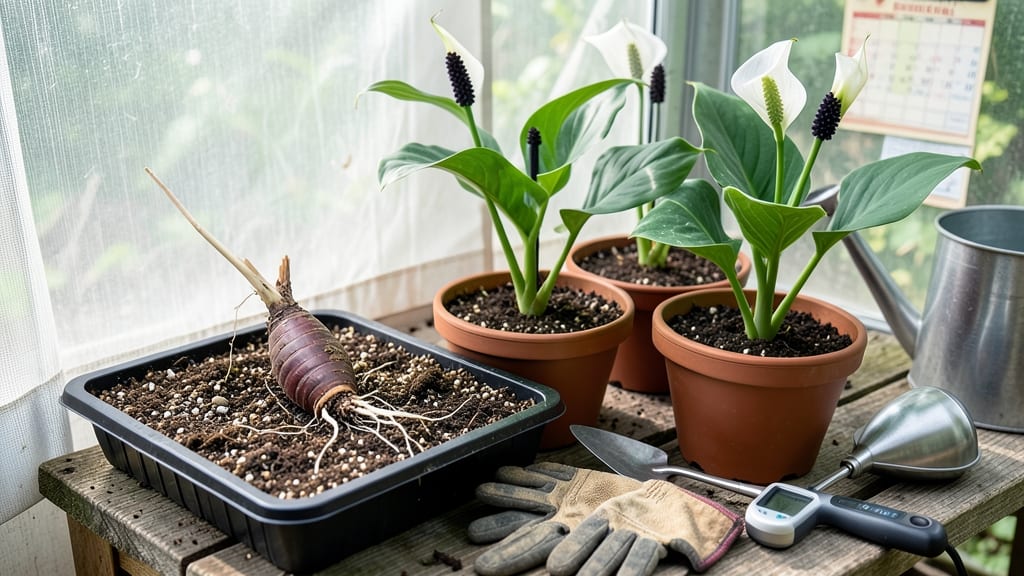
If you're dreaming of dramatic summer blooms from your Calla Lily 🌸 but aren't sure when to plant those bulbs in Zone 5, timing is the secret weapon you need. Planting too early risks frost damage, while waiting too long might mean missing out on those show-stopping flowers entirely.
For Zone 5 gardeners, the sweet spot falls between late spring and early summer—specifically after your last frost date, which typically lands in mid-May. This isn't just guesswork; it's about giving your bulbs the warm soil and stable temperatures they crave to thrive.
I've learned the hard way that rushing the process can backfire, but with the right prep—like checking soil temperature and choosing the perfect spot—you can turn those bulbs into a lush, blooming centerpiece. Let's break down exactly what you need to know to get this right the first time.
From adjusting for early frosts to understanding how long it takes for those 🌸 flowers to appear, you'll discover the exact steps to maximize your Calla Lily's potential in your Zone 5 garden. Ready to unlock bold summer blooms? Let's dive in.

Zone 5 calla lily planting timeline: exact dates for frost-free success
Timing your calla lily bulb planting in Zone 5 means the difference between stunning summer blooms and frost-killed tubers. Unlike tropical natives, calla lilies thrive when planted after the last frost date, typically mid-May in most of Zone 5—but regional variations matter.
In northern Zone 5 (e.g., Chicago, Detroit, or Burlington), wait until late May when soil temperatures consistently reach 60°F+.
Southern Zone 5 areas (e.g., St. Louis, Indianapolis, or Pittsburgh) can plant as early as early May, but always check your local frost-free date using the USDA Plant Hardiness Zone Map.
Calla lilies need 160 frost-free days to mature fully, so planting too early risks cold damage to emerging shoots. Aim for June 1st as your absolute latest for full-season blooms—any later and you’ll miss the summer flowering window.
Here’s how to adjust for early vs. late frosts in Zone 5:
| Zone 5 Region | Last Frost Date | Ideal Planting Window | Bloom Timeline |
|---|---|---|---|
| Northern Zone 5 (Chicago, Detroit) | Mid-May | Late May to early June | July–September |
| Central Zone 5 (St. Louis, Indianapolis) | Early May | Early May to mid-May | June–August |
| Southern Zone 5 (Pittsburgh, Cincinnati) | Late April | Late April to early May | May–July |
For container gardening in Zone 5, extend your planting window by 2–3 weeks—pots warm up faster than soil and can be moved indoors if frost threatens. Place containers near south-facing walls or under cloche covers for extra protection.
Pro tip: Use a soil thermometer to confirm 60°F+ soil temps before planting. Cold soil slows root growth, delaying blooms by 3–4 weeks. In wet springs, wait until the ground dries out to avoid rot-prone conditions for bulbs.
If you miss the spring planting window, don’t panic—calla lilies can also be planted in early summer (July), though blooms may arrive late season. Just reduce fertilizer applications to avoid overstimulating growth before winter.
For year-round success, mark your Zone 5 planting calendar with these key dates:
- Mid-May: Northern Zone 5 last frost (plant after)
- Early June: Safe planting deadline for full blooms
- July 1st: Last chance for summer planting (reduced blooms)
- Mid-October: First frost (dig and store bulbs)
🌸
How to prepare calla lily bulbs for Zone 5 planting: pre-treatment secrets
Before you even think about planting, your calla lily bulbs need proper pre-treatment to thrive in Zone 5’s unpredictable climate. Unlike tropical natives, these bulbs require a chilling period to break dormancy and ensure strong summer growth. Skipping this step often leads to weak stems or no blooms at all.
Start by inspecting each bulb for soft spots or mold, which signal rot. Healthy bulbs should feel firm with no unpleasant odors. If you find damaged ones, discard them immediately to prevent spreading disease to your entire garden.
This simple check can save you from wasted effort later in the season.
After inspection, give your bulbs a 30-minute soak in a fungicide solution (like copper-based spray) to prevent fungal infections. This is especially critical in Zone 5’s damp springs. Next, replicate winter conditions by storing bulbs in a paper bag in your refrigerator for 8-10 weeks.
This mimics the natural dormancy period and primes them for spring planting.
When it’s time to plant, check your soil temperature with a soil thermometer. Calla lilies won’t thrive until the ground reaches at least 60°F. If your soil is still cold, wait another week—rushing leads to rotten bulbs. Patience here means stronger plants and more dramatic blooms come summer.
For an extra boost, mix compost into your planting area to improve drainage and fertility. Calla lilies hate soggy soil, so amend heavy clay with perlite or sand if needed.
This preparation ensures your bulbs get the perfect start, setting the stage for 2-3 feet of lush foliage and showstopping flowers.
Pro tip: Mark your planting spots now so you can monitor soil warming. A simple stake with twine works perfectly—no need for fancy tools. This small step prevents you from digging up cold ground and damaging your prepped bulbs.