
Plants
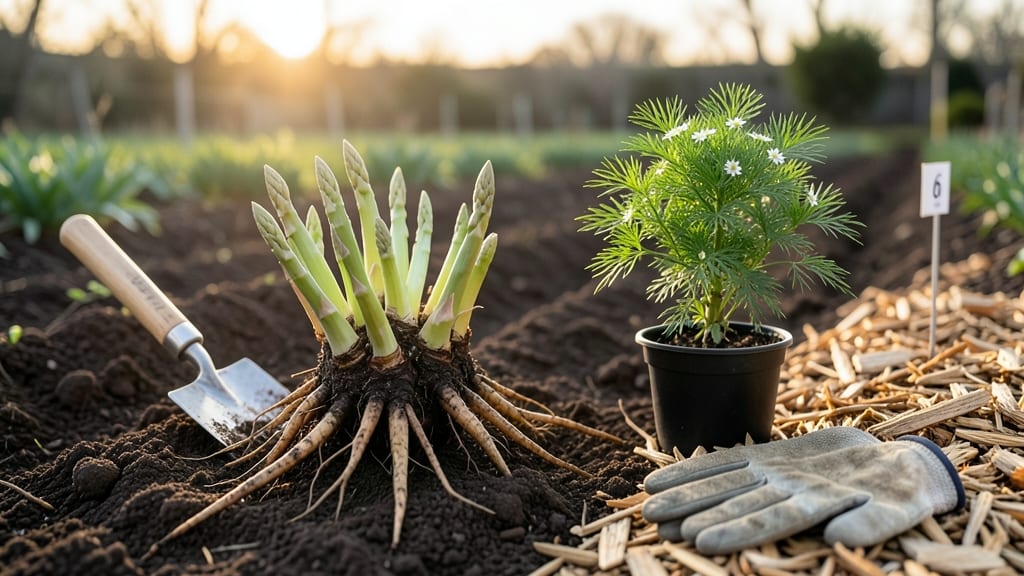
If you're dreaming of planting asparagus in North Texas and harvesting your own fresh spears, timing is everything—and getting it wrong could mean waiting years for those first sweet harvests.
The key to success lies in planting during that narrow window between late winter and early spring when soil temperatures are just right.
North Texas gardeners in USDA Zone 8a face unique challenges with our hot summers and occasional late freezes, but asparagus crowns planted in February or March give your plants the best chance to establish strong roots before the heat sets in.
This isn't just about calendar dates—it's about soil temperature, rainfall patterns, and avoiding those tricky early spring frosts that can set back your crop.
I've learned the hard way that rushing the process or waiting too long can mean thinner harvests—or worse, failed plants entirely. What you're about to discover is how to align your planting schedule with North Texas' climate quirks to maximize your chances of success.
Let's break down exactly when and how to plant for the most reliable results.
From selecting cold-hardy varieties to preparing your soil just right, these 5 critical steps will help you avoid common mistakes and set your asparagus up for years of productive growth. Whether you're a seasoned gardener or just starting out, this is your roadmap to asparagus success in our challenging climate.
Optimal planting times for asparagus in North Texas (zone 8a-8b)
North Texas gardeners face a unique challenge with asparagus planting—our hot summers and unpredictable freezes demand precision timing. The best window to plant asparagus crowns is late winter to early spring, when soil temperatures stabilize above 50°F (10°C).
This means February to March is ideal for most of North Texas, but microclimates like Dallas (warmer) and Lubbock (cooler) may shift your timing by 2-3 weeks.
Asparagus crowns need 4-6 weeks to establish roots before summer heat arrives. Planting too early risks frost damage to young shoots, while late planting can stunt growth before the first harvest season. Aim for soil temperatures between 50-65°F (10-18°C)—this is your sweet spot for root development without heat stress.
For North Texas gardeners, here’s the breakdown:
- Dallas/Fort Worth area: Plant late February to early March (soil warms faster).
- Lubbock/Amarillo area: Wait until mid-March to avoid late frosts.
| Stage | Action | Notes for North Texas |
|---|---|---|
| Soil Prep | Test pH (6.5-7.0), amend with compost | North Texas soil is often alkaline—add sulfur if needed |
| Planting Window | Late Feb - Early Mar (Dallas), Mid-Mar (Lubbock) | Avoid planting after March 15—summer heat stress increases |
| Depth | 6-8 inches deep, roots covered | Deeper planting = better survival in Texas heat |
| Spacing | 12-18 inches apart, rows 3-4 feet apart | Prevents fungal diseases in humid North Texas summers |
| First Harvest | Year 2-3 after planting | Patience pays off—Texas heat slows early growth |
If you miss the ideal window, fall planting is possible in North Texas—but it’s riskier. Plant asparagus crowns in September only if your soil stays above 50°F (10°C) until winter. Most gardeners avoid this due to fungal risks from fall rains and unpredictable freezes. Stick to spring for reliability.
One critical factor in North Texas is soil moisture. After planting, keep the soil consistently moist (not soggy) for the first 60 days. Use drip irrigation or soaker hoses to avoid wetting foliage, which can lead to rust disease in our humid summers.
Mulch with 2-3 inches of straw to retain moisture and regulate soil temperature.
For container growing in North Texas, plant asparagus in large pots (18+ inches deep) and use a fast-draining mix with 50% compost. Containers warm up faster than garden beds, so adjust your planting date 1-2 weeks earlier than in-ground planting.
Place pots in full sun and water daily until established.
Remember: asparagus is a perennial that rewards long-term care. In North Texas, the first harvest may be light, but with proper timing and heat-tolerant varieties, you’ll enjoy spears for 10+ years.
The key is planting at the right time—when the soil is warm enough to support root growth but cool enough to avoid summer stress.
Pro tip: Mark your calendar for March 15 as your last chance to plant asparagus in most of North Texas. After that, the 100°F+ heat will slow down root establishment, leading to weaker plants. Don’t wait—get those crowns in the ground early!
Optimal planting times for asparagus in North Texas (zone 8a-8b)
North Texas gardeners face unique challenges with its hot summers (90°F+) and unpredictable freezes. The key to successful asparagus planting lies in timing—late winter to early spring when soil temperatures hover between 50°F and 70°F. This window ensures roots establish before summer heat sets in.
For North Texas (Zones 8a-8b), the ideal planting window is February through early March, just after the last average frost date (typically mid-February).
However, Dallas and Fort Worth may plant slightly earlier (late January) due to milder microclimates, while Lubbock and Amarillo should wait until March to avoid spring freezes.
Soil temperature is your best indicator—wait until it reaches 50°F+ at 6 inches deep. Use a soil thermometer to check, as cold soil can stunt root growth. In North Texas, this usually aligns with late February to early March, but 2023’s early warm spells proved even January planting could work in protected beds.
| Planting Window | Soil Temp Requirement | Frost Risk | North Texas Adjustments |
|---|---|---|---|
| Late January - Early February | 45°F+ (Dallas/Fort Worth only) | High (avoid) | Use row covers for protection |
| February - Early March | 50°F+ (ideal) | Low | Best for most of North Texas |
| March - April | 60°F+ | None | Late planting for Lubbock/Amarillo |
🌱 Pro Tip: Test soil moisture—plant when top 2 inches are dry to touch.
Fall planting is not recommended in North Texas due to summer heat stress. If you miss the spring window, late summer (August) is a secondary option, but plants need 6+ months to establish before winter.
For containers, extend the window by 2-3 weeks—they warm up faster but dry out quicker.
After planting, mulch heavily (3-4 inches) with straw or wood chips to retain moisture and regulate soil temps. In West Texas (Lubbock), add extra mulch to protect from 100°F+ soils.
Avoid harvesting spears in the first 2 years—let the roots build strength for North Texas’s brutal summers.
Monitor your asparagus bed for yellowing fronds in summer—a sign of heat stress. If this happens, water deeply at dusk and prune fronds by 1/3 to reduce transpiration. With the right timing, your asparagus will reward you with spears for 15+ years—a true North Texas gardening victory! 🌱