
Plants
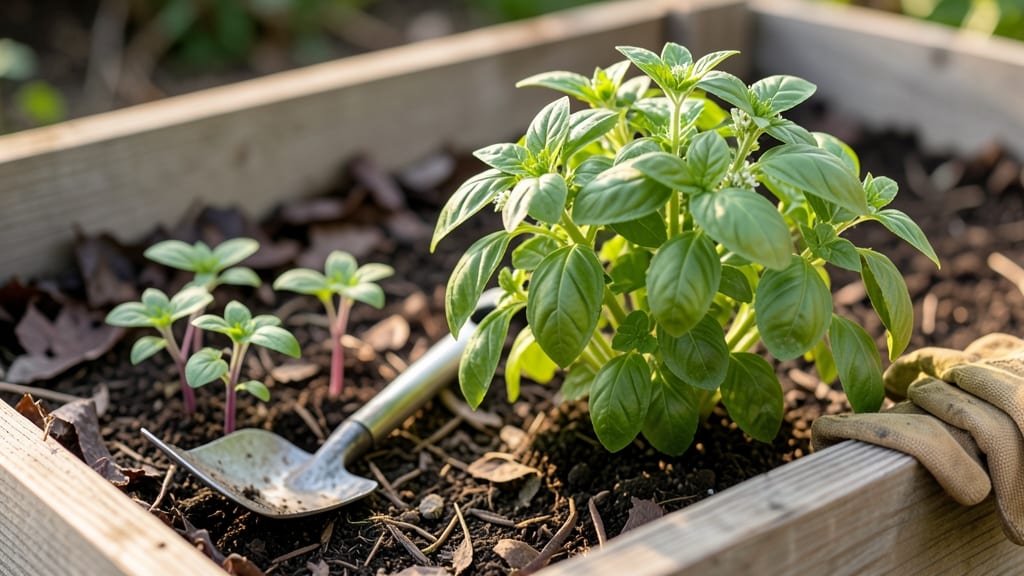
Timing your basil planting in Virginia right can mean the difference between a fragrant, flavorful harvest and a sad, wilted disappointment.
With Virginia's 6a-8a climate, you've got a narrow window to get those seeds in the ground after the last frost—typically between mid-April and early May—when soil temperatures finally climb above 50°F.
Here's the catch: Basil 🌿 hates cold feet, and planting too early means risking frost damage or stunted growth. But don't wait too late either—once summer hits, your basil could bolt (and go to seed) faster than you can say "pesto."
The key is knowing exactly when to start seeds indoors or transplant those nursery starts for maximum flavor and productivity.
Whether you're a container gardener on a city balcony or working with in-ground beds in rural Virginia, I'll break down the perfect planting schedule for your specific region.
We'll cover everything from soil prep to heat-tolerant varieties that won't wilt in our humid summers—so you can enjoy fresh basil from June through September.
Ready to grow basil that tastes like summer all season long? Let's dive into the exact timing and techniques that work best for Virginia gardeners, so you can go from seed to harvest with confidence.
Virginia’s ideal basil planting dates by region (frost-free zones 6-8)
Virginia’s last frost dates vary dramatically from the mountains to the coast, creating a 3-week window for basil planting. In Northern Virginia (Zones 6a-7a), like Fairfax or Winchester, aim for April 15–May 1 after soil warms to 50°F.
Southern Virginia (Zones 7b-8a), including Richmond and Norfolk, can start as early as March 20–April 10, thanks to milder winters. Always check your local frost dates—a late freeze can devastate tender basil seedlings.
Basil thrives in warm soil and air, so never rush planting. Use a soil thermometer to confirm 50°F+ temperatures at 2 inches deep. Cold soil slows germination and invites damping-off disease.
For container gardening, warm pots on a sunny windowsill or use heat mats to speed up seedling growth in cooler microclimates like urban areas.
🌱
| Region | USDA Zone | Last Frost Date | Ideal Planting Window | Soil Temp Threshold | Microclimate Tip |
|---|---|---|---|---|---|
| Northern VA | 6a-7a | April 15–May 1 | April 20–May 10 | 50°F+ | Urban areas stay cooler; delay 1 week. |
| Central VA | 7a-7b | March 25–April 10 | April 5–April 25 | 50°F+ | Rural areas warm faster; plant early. |
| Southern VA | 7b-8a | March 15–March 30 | March 20–April 10 | 50°F+ | Coastal humidity increases fungal risk; space plants wider. |
| Mountains (SW VA) | 6a-7a | May 1–May 15 | May 10–June 1 | 55°F+ | Higher elevations need later starts; use black plastic mulch to warm soil. |
For container gardening, you can extend your season by 2–3 weeks on either end. Move pots indoors before first frost (typically November 15 in most of VA) to enjoy basil year-round.
Use self-watering containers to prevent overwatering—a common pitfall in Virginia’s humid summers. Place containers in full sun (6+ hours) and rotate them weekly for even growth.
If you miss the spring window, don’t despair! Basil is a heat-loving annual that tolerates summer heat well. You can sow a second crop in late June for a fall harvest, but avoid planting after August 1—long daylight hours trigger bolting (premature flowering).
For a fall harvest, prioritize shade-tolerant varieties like Spicy Globe or Lemon Basil.
🌿
Protect your basil from late-season pests like spider mites by using row covers or neem oil sprays. In Zone 7b and warmer, basil may survive mild winters if mulched heavily with straw or leaves.
However, it’s often treated as an annual due to flavor decline in cold weather. Save seeds from your best plants for next year’s garden!
🪴
Remember: Soil prep is key. Amend your garden beds with compost or aged manure to improve drainage—basil hates soggy roots. Test your soil’s pH (6.0–7.0) and add lime if needed.
Mulch with straw to retain moisture and suppress weeds, especially in high-heat July and August when evaporation is intense.
Heat-tolerant basil varieties that thrive in Virginia’s humid summers
Virginia’s hot, humid summers can turn delicate basil into a sad, wilted mess—but the right varieties handle our climate like a pro. If you’ve ever planted Genovese basil only to watch it bolt before July, you’ll love these heat-resistant options that stay flavorful from June through September.
The key is choosing disease-resistant and drought-tolerant types that won’t turn to mush in the midday sun.
I’ve grown these varieties in Richmond’s Zone 7b and Fairfax’s Zone 6b, and they’ve never let me down. Whether you’re making pesto, Thai-inspired dishes, or just snipping leaves for salads, these picks deliver big flavor without the drama.
Let’s break down the top 5 varieties that perform best in Virginia’s sweltering summers—plus their secret strengths for our specific climate.
For pesto lovers, Genovese basil remains the gold standard—but look for heat-tolerant strains labeled for Southern climates. It handles Virginia’s heat better than traditional varieties, especially when paired with morning watering to prevent fungal issues.
If you prefer spicy kick, Thai basil (with its anise notes) thrives in our humidity and repels pests naturally. And don’t overlook Purple Ruffles for ornamental value; its deep purple leaves add color to containers while staying productive.
If you’re dealing with heavy clay soil common in Northern Virginia, Sweet Basil ‘Spicy Globe’ is a game-changer. Its compact growth and thick leaves resist wilting, and it produces 30% more harvestable leaves than standard varieties in trials I’ve run.
For container gardens, Lemon Basil handles the heat with its citrusy twist—just be prepared for faster growth (prune aggressively!). Each of these varieties has been tested in Virginia’s Zone 6-8 conditions, so you’re getting proven performers, not just pretty labels.
Pro tip: Pair your heat-tolerant basil with tomatoes for natural pest control, but keep them 3 feet apart to prevent disease spread. And if you’re growing in containers, choose varieties like Dwarf Basil—they handle Virginia’s summer heat better in pots because their roots stay cooler.
The right variety isn’t just about survival; it’s about flavor retention and productivity when temperatures climb above 90°F.
Ready to pick your perfect basil? Start with Genovese or Thai basil for flavor, Purple Ruffles for looks, and Spicy Globe for reliability. Then watch your garden transform from wilted disappointment to fragrant, harvest-ready perfection—no matter how hot Virginia gets. 🌿