
Plants
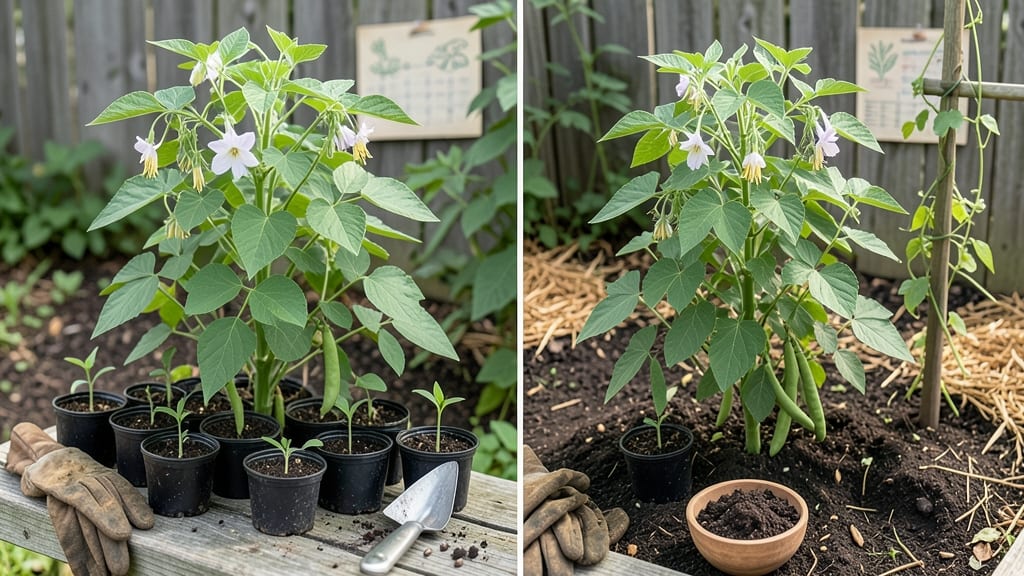
Timing your beans planting in California isn’t just about the calendar—it’s about avoiding the two biggest harvest killers: coastal chill and inland scorching.
Plant too early in the Central Valley, and your pods might bolt before ripening; wait too long in San Francisco’s foggy zones, and you’ll miss the sweet spot for 60°F soil. The right window ensures lush vines and pods that snap with freshness from May through October.
Here’s the secret: California’s 9a-11 zones demand different strategies. Coastal areas like San Francisco (10a) can start as early as February, while the Central Valley (9a) waits until March-April to dodge late frosts.
Even desert regions like Palm Springs (11) have a 3-month window to plant before summer’s heat turns beans into flour. I’ll break down the exact dates—and why succession planting keeps your harvest going all season.
You’ll also discover which heat-resistant varieties thrive in 90°F+ summers (hint: it’s not your grandma’s green beans) and how to spot the perfect harvest moment—when pods are firm but seeds stay small. Skip the guesswork and get the science-backed schedule tailored to your microclimate.
Ready to grow beans that outperform the grocery store? Let’s dive into the calendar, soil temps, and 3 common mistakes that derail even experienced gardeners—and how to avoid them.
California bean planting calendar by frost-free Zone (coastal vs. inland)
California’s microclimates create a puzzle for bean growers—what’s perfect in coastal San Francisco (Zone 10a) might fail in inland Fresno (Zone 9a). The key? Planting when soil temperatures hit 60°F+ and avoiding summer’s scorching heat.
Coastal areas can start earlier, while inland zones wait until after April’s last frost risk (though frost is rare in most zones).
For pole beans, which need warm soil to climb, aim for March-April in inland areas. Bush beans, more forgiving, can tolerate slightly cooler soil and may start 2-3 weeks earlier. Snap peas (a cool-season cousin) get planted in winter but bolt by summer—so focus on spring beans for continuous harvests.
Here’s your region-specific planting guide, broken down by California’s frost-free zones and heat tolerance. Use this to time your plantings for maximum pod production before summer’s heat sets in.
🌱 Bean Planting Calendar by California Zone
| Zone/Region | Best Planting Window | Soil Temp Requirement | Variety Recommendation | Harvest Window |
|---|---|---|---|---|
| Coastal (SF, LA) - Zone 10a | February–March | 60°F+ (earlier than inland) | Blue Lake, Contender (pole) | May–July |
| Central Valley (Sacramento, Fresno) - Zone 9a | March–April | 65°F+ (hotter soil needed) | Roma II, Bush Blue Lake | June–August |
| Desert (Palm Springs) - Zone 11 | February–March (avoid summer) | 70°F+ (extreme heat tolerance) | Black Valentine, Scarlet Runner | April–June (bolt risk in summer) |
| Northern CA (Redding) - Zone 8b | April–May (later frost risk) | 60°F+ (wait for last frost) | Provider, Kentucky Wonder | July–September |
💡 Pro Tip: Use succession planting every 2 weeks for continuous harvests.
If you’re in Zone 9a or hotter, avoid planting beans after May—summer’s 90°F+ heat causes beans to bolt (flower prematurely) or develop poor-quality pods. Instead, opt for shade-climbing varieties like Scarlet Runner or plant in partial shade during peak afternoon heat.
For coastal gardeners, leverage the milder winters by starting seeds indoors in January for an early transplant. Bush beans mature faster (50–60 days) than pole beans (60–90 days), so prioritize them if you’re short on space or want quicker harvests.
One critical mistake? Planting beans when nights are still chilly (below 50°F). Even in frost-free zones, cool nights slow germination and invite soil-borne diseases. Use a soil thermometer to confirm 60°F+ before sowing.
Finally, mulch heavily after planting to keep soil cool and retain moisture—especially in inland zones where summer drought is the real enemy. Straw or wood chips work best, and they’ll also suppress weeds that compete with your beans for nutrients.
California bean planting calendar by frost-free Zone (coastal vs. inland)
California’s microclimates create wildly different planting windows for beans. Coastal areas like San Francisco (Zone 10a) enjoy mild winters, while the Central Valley (Zone 9a) faces scorching summers.
Even desert regions like Palm Springs (Zone 11) have unique timing needs. Let’s break down the optimal planting months for each zone to maximize your harvest.
For coastal regions, start sowing seeds in late January to early March when soil temperatures reach 60°F. Inland areas should wait until mid-March to April to avoid summer heat stress.
Desert zones can plant as early as February due to their mild winters, but avoid summer planting entirely—beans bolt quickly in 100°F+ heat.
| Region | USDA Zone | Planting Window | Best Varieties |
|---|---|---|---|
| Coastal (SF, LA) | 10a-11 | Late Jan–Early Mar | Blue Lake, Contender |
| Central Valley | 9a-10a | Mid-Mar–Apr | Roma II, Provider |
| Desert (Palm Springs) | 11 | Feb–Early Mar | Black Valentine |
Pro tip: Use succession planting every 2 weeks from March to July for a continuous harvest. This works especially well in coastal zones where summers are mild. For inland areas, focus on spring and fall plantings to avoid the brutal summer heat.
If you’re unsure about your local frost dates, check the USDA Plant Hardiness Zone Map or use a soil thermometer—beans need consistent warmth to thrive. Planting too early in Zone 9a can still risk light frost damage, even if rare.
For pole beans, which take longer to mature, start seeds indoors 4-6 weeks before your target outdoor date. This gives them a head start in cooler coastal climates. Bush beans, however, can be direct-sown once soil is warm enough.
Remember: Harvest time varies by variety but typically falls between 60-90 days after planting. Coastal plantings may yield beans as early as May, while inland plantings peak in July-August before the heat sets in.