
Plants
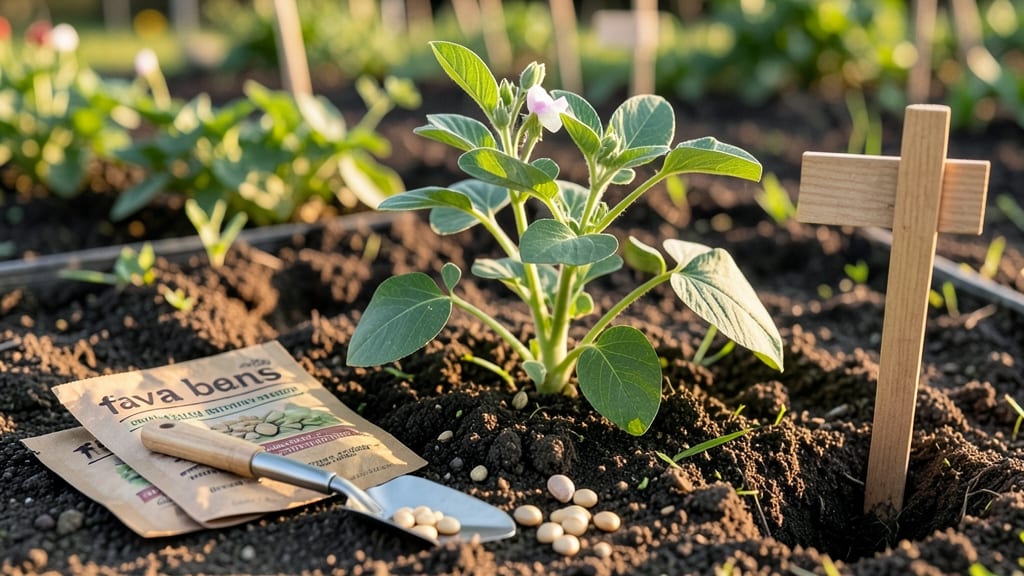
If you're wondering when to plant fava beans in California, timing is the secret to avoiding bitter-tasting pods or worse—no harvest at all. This cold-hardy crop thrives in the Golden State's mild winters, but coastal and inland regions have wildly different frost risks and soil temperatures.
In coastal areas like Zone 10, you can plant 🌱 fava beans as early as October, while inland valleys (Zone 9) should wait until November to dodge unexpected frost. The key? Planting before winter rains arrive ensures steady moisture without drowning your seeds.
What most gardeners miss is how soil temperature—not just air temperature—dictates success. Coastal soils stay cooler longer, while inland areas warm up faster in spring. I’ll break down the exact windows for both regions so you can time your planting like a pro.
Ready to grow faster and more efficient harvests? Let’s dive into the step-by-step schedule that’ll have your fava beans thriving come spring.
Optimal planting months for fava beans in California’s coastal regions
California’s coastal regions—from chilly San Francisco to sunny San Diego—offer perfect conditions for growing fava beans thanks to mild winters and high humidity. The key to success lies in understanding your local microclimate, as coastal areas can vary dramatically in frost risk and soil temperature.
Unlike inland valleys, coastal zones rarely face hard freezes, making them ideal for fall and winter planting.
For North Coast gardeners (think USDA Zone 10), the window opens earlier than in Southern California. Here, you can start sowing seeds as early as late September, with peak planting between October and November.
The cooler, damp coastal air helps seeds germinate faster, reducing the risk of soil-borne diseases that plague hotter inland areas.
In South Coast regions (like Los Angeles and San Diego), where winters are milder but still cool, aim for October through December. These areas benefit from consistent moisture year-round, but planting too late (after mid-December) may delay harvests until late spring when temperatures rise.
Here’s a quick reference for coastal planting success:
| Region | Best Planting Window | Soil Temp Requirement | Key Advantage |
|---|---|---|---|
| North Coast (San Francisco, Monterey) | Late September - November | 50-65°F (10-18°C) | High humidity speeds germination |
| Central Coast (Santa Barbara, Santa Cruz) | October - December | 55-68°F (13-20°C) | Moderate frost risk; use row covers |
| South Coast (Los Angeles, San Diego) | October - December | 60-70°F (15-21°C) | Mild winters; longer harvest window |
One critical mistake coastal gardeners make is planting too early in September. While soil temperatures may be ideal, the longer daylight hours can cause fava beans to bolt prematurely, reducing pod production. Instead, wait until daylight hours shorten (after Labor Day) to trigger healthier growth.
Coastal areas also benefit from natural moisture retention, so avoid overwatering—1-1.5 inches per week is usually sufficient. Use mulch (like straw or wood chips) to lock in humidity and prevent soil erosion from coastal winds.
This is especially important in wind-prone zones like Big Sur or the Channel Islands.
For maximum yield, pair your planting with a balanced fertilizer (5-10-10 NPK) at the time of sowing. Coastal soils are often nutrient-rich but may lack phosphorus, which fava beans need for strong root development. A light top-dressing in February can boost late-winter growth before harvest season.
Harvests typically begin in March or April, depending on when you planted. In San Diego, you might even get a second flush of pods if you sow a small batch in January.
The key is to harvest pods at 2-4 inches—any longer, and the beans inside become tough and less flavorful.
Pro tip: If you’re in a foggy coastal area (like Point Reyes), consider planting near a south-facing fence to capture extra warmth. This can extend your growing season by 2-3 weeks compared to open, windy spots.
🌿
Inland California fava bean planting schedule: avoiding late frost pitfalls
Inland California—think Central Valley and Sierra foothills—presents unique challenges for growing fava beans. Unlike coastal areas, these regions face late frosts (often between December 15 and January 15) that can wipe out tender seedlings.
The key? Planting at the right time to ensure your beans mature before frost strikes.
For inland growers, the optimal planting window is late September to early October for a fall harvest or mid-January to early February for a spring crop. This timing lets your plants establish roots before winter chill sets in, while avoiding the highest frost risk periods.
Here’s how to time it perfectly:
- 1. Late September: Plant for an early winter harvest. Soil temps should be 50-60°F for germination.
- 2. Mid-October: Ideal for most inland zones. Beans grow slowly in cool weather, reducing frost risk.
- 3. January-February: A second chance for spring harvests. Use row covers if frost warnings appear.
If you’re in Zone 9 (e.g., Sacramento or Fresno), avoid planting after November 15. The risk of 28°F frosts increases, and fava beans can’t survive prolonged cold. For higher elevations (Zone 8), shift planting to September only—winters are too harsh for spring crops.
Pro tip: Use black plastic mulch to warm soil in early fall plantings. This raises soil temps by 5-10°F, speeding up germination. Pair it with drip irrigation to keep roots moist without soggy soil—fava beans hate wet feet.
For extended season growing, try cold-hardy varieties like 'Himalaya' (tolerates 25°F) or 'Windham’s 27'. These can handle light frosts better than standard types. Always monitor local frost forecasts via Almanac.com or NOAA for real-time adjustments.
Remember: Fava beans need 90-120 days to mature. Plant too late, and you’ll miss your harvest window entirely. Start seeds indoors in August for a head start, then transplant outdoors in September—this two-step method buys you critical time.