
Plants
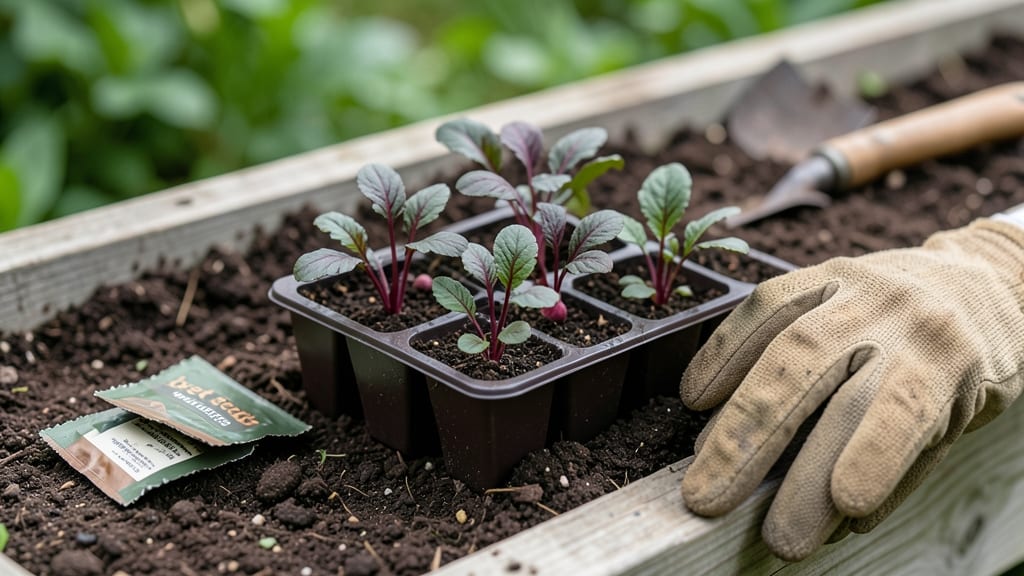
If you’ve ever planted beets in Central Florida only to watch them bolt into bitter greens before you could harvest a single root, you’re not alone. The key to avoiding this common frustration lies in timing—and the perfect windows are narrower than you think.
Beets like 🍠 cool weather, but Central Florida’s 9a climate throws a wrench into the plan. Planting too early in the heat or too late in the season can turn your garden into a science experiment.
I’ve tested the best months—September to October for fall and February to March for spring—to guarantee tender, sweet roots instead of woody disappointments.
Why does this matter? Because bolting isn’t just about taste—it’s about efficiency. You’ll save time, water, and effort by aligning your planting with Florida’s microclimates, where humidity and heat can push beets to maturity faster than expected. Let’s break down the exact strategy to make your beet harvest foolproof.
Whether you’re a seasoned gardener or a first-timer, these insights will help you skip the trial-and-error phase. You’ll learn how to prep your soil, choose the right varieties, and even work around Florida’s unpredictable frost dates. Ready to grow beets that actually taste like beets?
Central Florida beet planting calendar: fall vs. spring timing explained
Central Florida’s USDA Zone 9a climate offers two prime windows for growing sweet, tender beets: fall and spring. Unlike cooler regions, we can’t plant year-round—heat and humidity trigger bolting (premature flowering), turning your beets bitter and woody. Mastering these two seasons ensures harvest-ready roots without the stress.
Fall planting (my top recommendation) runs from mid-September to November, while spring planting should start in late February to early March. The key difference?
Fall beets mature before winter chills set in, while spring beets race against rising temperatures. Both windows rely on soil temperatures between 50°F–75°F for germination.
🌱 Pro Tip: Use a soil thermometer to confirm temperatures—beets won’t sprout if the soil is too hot (above 80°F) or too cold (below 45°F). Central Florida’s sandy soil heats up fast, so morning planting (before 10 AM) helps maintain ideal conditions.
| Season | Planting Window | Soil Temp (°F) | Harvest Window | Key Risk |
|---|---|---|---|---|
| Fall | Mid-September to November | 50°F–75°F | November–December | Early frost (Dec 15+) |
| Spring | Late February–Early March | 55°F–70°F | April–May | Bolting (heat > 85°F) |
For fall planting, aim to harvest before December 15—Central Florida’s average first frost date. Beets planted in late November may survive light frosts (28°F–32°F) but risk woody roots if exposed to prolonged cold. Use row covers if temperatures dip unexpectedly.
Spring planting is trickier because Central Florida’s March–April heat can trigger bolting. To extend your window, choose heat-tolerant varieties like ‘Detroit Dark Red’ or ‘Golden’ and plant in partial shade (30–50% shade cloth) during peak afternoon sun. Avoid planting after March 15 unless you’re committed to shade solutions.
💡 Why This Matters: Beets planted outside these windows either bolt prematurely (spring) or suffer frost damage (fall). Bolting reduces root quality, while frost turns roots mushy. Sticking to these dates guarantees sweet, firm beets with minimal effort.
One common mistake is assuming Central Florida’s long growing season means year-round planting. Reality? Beets are cool-season crops. They thrive when days are shorter (12–14 hours of light) and temperatures moderate.
Summer planting (June–August) is a recipe for bitter, stringy roots—save that for swiss chard or malabar spinach.
To maximize success, pair your planting schedule with succession planting. Sow every 2 weeks in fall (Sept–Nov) and every 3 weeks in spring (Feb–Mar) for a continuous harvest. This also reduces the risk of pest pressure (like leaf miners) overwhelming your entire crop at once.
🌿 Final Tip: Test your soil’s pH (6.0–7.0) and organic matter (2–3%) before planting. Central Florida’s sandy soil drains too quickly—amend with 2–3 inches of compost to retain moisture and nutrients. This small step prevents cracked roots and stunted growth.
Central Florida beet planting calendar: fall vs. spring timing explained
Central Florida’s 9a climate means beets thrive in cool but not freezing conditions. The ideal planting windows are September to October for fall and February to March for spring. These months balance soil temperatures (55°F–75°F) and daylight hours, preventing bolting—the bitter greens you dread.
Why these months? Summer heat (above 85°F) triggers bolting, while winter frosts (below 32°F) stunt growth. Fall planting gives beets 60–70 days to mature before cold sets in, while spring planting avoids early heat spikes. Miss these windows, and you’ll risk woody roots or premature flowering.
Here’s the breakdown of your planting calendar, including soil prep and harvest timing to maximize success:
| Season | Planting Window | Soil Temp (°F) | Harvest Window | Key Notes |
|---|---|---|---|---|
| Fall | September–October | 55–75°F | November–December | Avoid planting after October 15; use shade cloth if temps rise. |
| Spring | February–March | 60–70°F | April–May | Start seeds indoors in late January to jumpstart growth. |
For fall planting, aim for September 1–October 15—this gives beets enough time to mature before December’s first frost risk.
If you’re in North Central Florida (e.g., Ocala), push planting to late September to avoid early cold snaps. Spring planting should start by February 15 to ensure harvests before summer heat sets in.
Pro tip: Use a soil thermometer to confirm temps are 55°F+ before planting. Sandy Florida soil heats up fast—amend with compost to retain moisture and cool roots. If your area hits 85°F+, switch to heat-tolerant varieties like ‘Cylindra’ or ‘Detroit Dark Red’.
Timing isn’t just about months—it’s about microclimates. Coastal areas (e.g., Daytona Beach) stay warmer longer, while inland zones (e.g., Lakeland) cool faster. Adjust your schedule by 1–2 weeks based on your specific zone.
With these windows, you’ll skip the bolting blues and enjoy sweet, tender beets all season.