
Plants
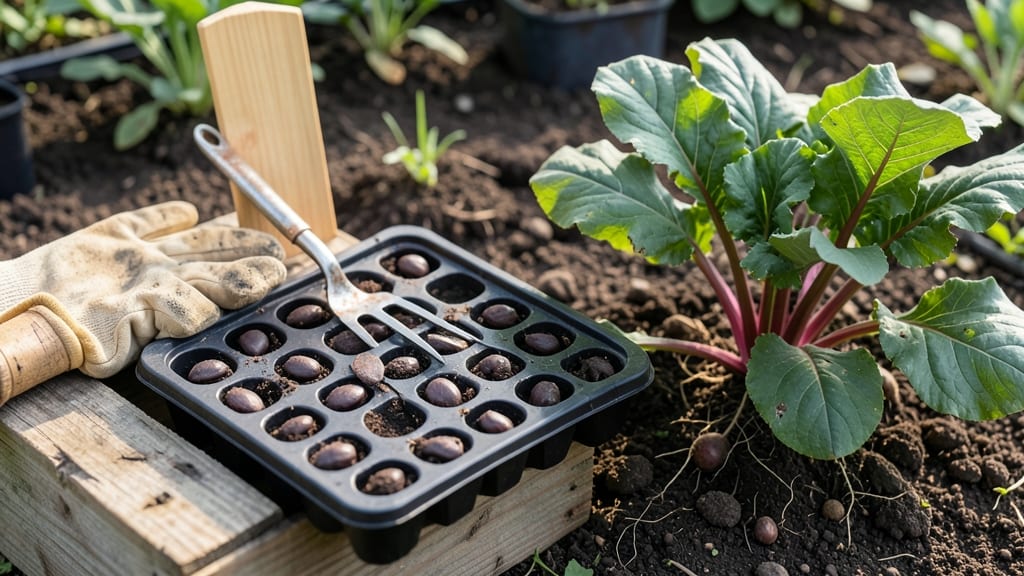
Timing your beet planting just right in Maryland is the secret to crisp, sweet harvests—and missing the window can mean either frost-bitten greens or tough, woody roots.
With Maryland’s Zone 7A-7B climate, you’ve got two prime chances each year to grow these earthy 🍠 delights, but knowing exactly when to plant makes all the difference.
The key is working with Maryland’s average last frost date around March 15 and first frost near November 15.
Spring plantings between March 15 and April 30 give you time for a summer harvest, while fall plantings from September 1 to October 15 ensure a second crop before winter sets in.
What I’ve learned from growing beets here is that soil temperature matters more than dates. Wait until the ground warms to at least 50°F before planting—cold soil slows germination. And don’t forget: succession planting every 2-3 weeks keeps your harvest going for months.
In this guide, I’ll break down the exact planting windows, soil prep tips, and how to stretch your harvest season—so you can enjoy fresh beets from June through November without a single wasted seed. Let’s get started.
Best planting windows for beets in Maryland’s zone 7A-7B
Maryland’s Zone 7A-7B climate offers two prime windows for growing crisp, sweet beets: early spring and late summer. The key is timing your plantings to avoid late frosts (around March 15) and first frosts (around November 15).
With an average 180 frost-free days, you can enjoy two full harvests per year if you plan carefully.
For spring plantings, start seeds indoors 4-6 weeks before your last frost (around February 15) or direct-sow outdoors as soon as soil reaches 50°F (typically late March to early April).
This ensures your beets mature before summer heat sets in. Fall plantings should begin 8-10 weeks before first frost (around September 1) for a late-season harvest.
Beets thrive in cool weather, so aim for varieties like 'Detroit Dark Red' (classic, reliable) or 'Golden' (sweeter, faster-maturing) that tolerate Maryland’s humidity and heat better than delicate heirlooms. Always check seed packet days-to-maturity—most beets need 55-65 days to harvest.
| Stage | Action | Maryland Timeline | Notes |
|---|---|---|---|
| Spring Planting | Start Indoors | February 15 | 4-6 weeks before last frost |
| Spring Planting | Direct Sow Outdoors | March 15 - April 15 | Soil ≥50°F, after last frost |
| Harvest Window | First Harvest | June - July | 55-65 days after sowing |
| Fall Planting | Direct Sow Outdoors | September 1 - October 1 | 8-10 weeks before first frost |
| Harvest Window | Second Harvest | October - November | Avoid hard frosts for best flavor |
| Soil Prep | Test pH | Before planting | Ideal pH: 6.0-7.0 |
| Soil Prep | Add Compost | Before planting | Improves drainage and fertility |
To maximize your beet harvest, align planting dates with maturity timelines. For example, sow Detroit Dark Red (60 days to maturity) on March 20 for a June harvest, then repeat with Golden (55 days) on April 10 for a late July harvest.
This succession planting strategy ensures a steady supply of fresh beets.
Maryland’s humid summers can stress beets, so avoid planting after mid-June. Instead, focus on fall plantings for cooler weather. Use row covers or lightweight mulch to protect seedlings from unexpected late spring frosts, which are common in Zone 7A-7B.
Pro tip: Check the Maryland Cooperative Extension for your local frost dates, as microclimates (e.g., coastal vs. inland) can vary by 1-2 weeks. Their frost-free degree day calculators help fine-tune your
Best planting windows for beets in Maryland’s zone 7A-7B
Maryland’s Zone 7A-7B climate gives you two perfect windows to plant beets: spring and fall. Timing these correctly ensures you avoid frost damage and get the sweetest, most tender roots.
The key is working with Maryland’s average last frost date around March 15 and first frost near November 15, but soil temperature is just as critical.
For spring plantings, start seeds indoors 4-6 weeks before your last frost (around February 15) or sow directly in the garden between March 15 and April 30. This gives you time for a summer harvest before the heat of July.
Fall plantings should begin September 1 and continue until October 15 to ensure roots mature before winter sets in.
| Planting Window | Soil Temp Requirement | Frost Risk | Harvest Time |
|---|---|---|---|
| March 15 - April 30 | 50°F+ | Low (after last frost) | June - July |
| September 1 - October 15 | 50°F+ | Moderate (before first frost) | October - November |
🌱 Pro Tip: Use row covers for early spring/late fall plantings to extend your growing season.
One mistake I see often is planting too early when the soil is still cold. Beets need consistent soil temperatures above 50°F to germinate properly. Use a soil thermometer to check—if it’s below 50°F, wait a few more weeks.
Another trick is to plant successionally every 2-3 weeks during your chosen window. This ensures a steady supply of fresh beets instead of one big harvest.
For fast-maturing varieties like 'Detroit Dark Red' or 'Babybeat', aim for a 55-60 day harvest to maximize your spring window. In fall, choose cold-hardy varieties like 'Red Ace' or 'Golden', which can tolerate cooler temperatures and still produce sweet roots.
Always check the seed packet for days to maturity to plan accordingly.
Maryland’s microclimates can vary dramatically—coastal areas may have earlier last frosts than inland zones. For precise local advice, consult the Maryland Cooperative Extension or use their frost date calculator. Adjust your planting dates by 1-2 weeks based on your specific location within the state.
Finally, don’t overlook soil preparation. Beets thrive in loose, well-draining soil with a pH between 6.0 and 7.0. Work in compost or aged manure before planting to improve fertility. If your soil is heavy clay, consider raising beds for better drainage—this is especially important in Maryland’s humid summers.