
Plants
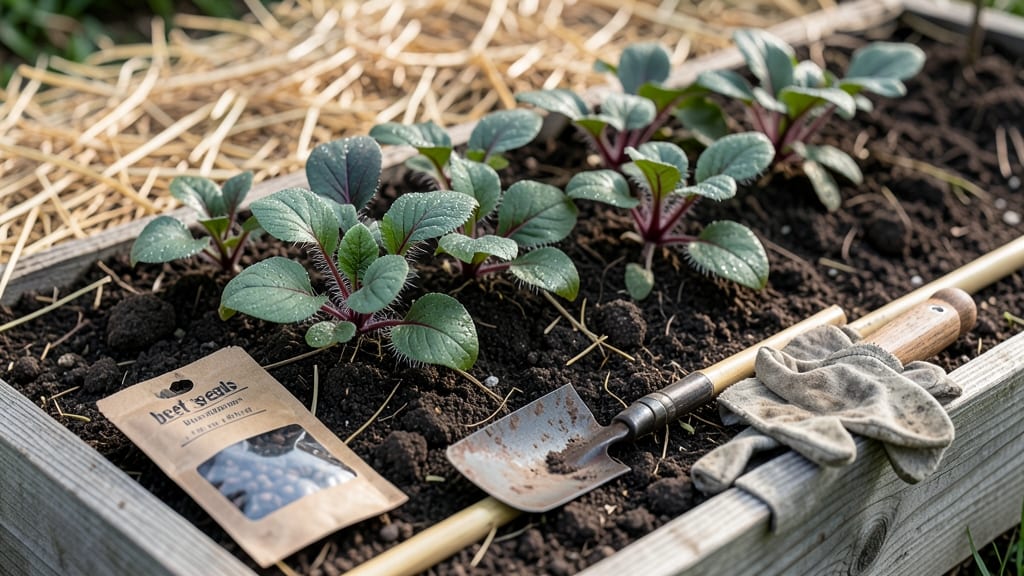
Timing when to plant beets in Zone 6b could make or break your harvest—because those earthy, tender roots only taste their best when planted just right.
With the last frost typically around April 15, you’ve got a narrow window to get seeds in the ground before summer heat turns them bitter. The key is starting early in March or late in July for two sweet harvests: one in June-July and another in October-November.
I’ve learned the hard way that rushing or waiting too long means tough, woody beets instead of the crisp, flavorful ones you crave. Whether you’re a first-time gardener or a seasoned pro, knowing the perfect frost-free window and soil temperature tricks will save you from wasted effort.
Let’s break down exactly when to plant for the juiciest, most rewarding harvest in your Zone 6b garden.
Direct sowing is easiest, but starting indoors gives you a head start before the 45–85°F soil warms up. Succession planting every 2 weeks after your first batch ensures a steady supply all season.
And don’t overlook late summer—those July-August plantings often yield the sweetest fall harvests before the first frost hits.
Ready to grow beets that’ll impress your dinner table? I’ll walk you through the exact dates, soil prep, and even how to adjust for early or late seasons. No guesswork—just a foolproof plan for the best beet harvest in Zone 6b.

Ideal planting dates for beets in Zone 6B: frost timing and soil temperatures
In Zone 6B, where the last frost typically arrives around April 15 and the first frost hits October 15, timing your beet planting is everything.
Beets thrive in cool weather but struggle when temperatures rise above 85°F, which is why I focus on two key planting windows: early spring and late summer. These windows ensure tender, sweet roots instead of tough, woody ones.
For spring planting, aim to sow seeds 4-6 weeks before your last frost date—so mid-March to early April in Zone 6B. This gives seedlings enough time to establish before summer heat sets in.
Meanwhile, late summer planting (around July) allows for a fall harvest before frost arrives, provided you choose cold-hardy varieties like ‘Detroit Dark Red’.
| Planting Window | Ideal Months | Soil Temp (°F) | Days to Harvest |
|---|---|---|---|
| Early Spring | March–April | 45–65°F | 50–70 days |
| Late Summer | July–August | 60–75°F | 50–60 days |
| Fall (Overwinter) | September | 50–60°F | 60–70 days |
🌱 Note: Adjust dates 1–2 weeks earlier for microclimates with warmer springs.
Soil temperature is just as critical as air temperature. Beets germinate best when soil is between 45–85°F, but below 50°F, germination slows dramatically. To test your soil, use a soil thermometer—if it’s below 50°F, wait a week or two before planting.
In Zone 6B, this usually means holding off until mid-April unless you’re using a cold frame or row cover to warm the soil faster.
If you’re eager to start earlier, consider starter plants or indoor seed starting (4–6 weeks before transplanting). However, beets are bolting-sensitive, so avoid planting too early—February sowings risk bolting (flowering prematurely) if exposed to sudden warmth.
Instead, I recommend direct sowing in early spring for the most reliable results.
For late summer plantings, focus on July sowings to ensure harvests before frost. Use shade cloth if temperatures exceed 85°F to prevent bolting. This method extends your harvest into October, giving you fresh beets long after spring plantings have bolted or gone to seed.
Microclimates can shift your ideal planting dates by 1–2 weeks. If your garden sits in a low spot or near water, it may stay cooler longer—ideal for earlier plantings.
Conversely, south-facing beds or urban areas with heat islands might need later starts. Always observe your garden’s unique conditions for the best results.
One common mistake I see is planting beets too close to frost dates.
Even cold-hardy varieties like ‘Ruby Queen’ won’t survive a hard freeze, so stop sowing by September 1 in Zone 6B. Instead, prioritize succession planting every 2 weeks in spring and summer to stagger harvests and avoid a glut of beets at once.
To maximize sweetness, avoid planting beets in extreme heat or drought conditions. Consistently moist, well-draining soil with organic matter (like compost) is key.
Amend your beds with aged compost before planting to improve soil structure and fertility—this helps roots develop smoothly and reduces the risk of woody texture in hot weather.
Finally, keep an eye on moisture levels during germination. Beet seeds need consistent moisture to sprout, but avoid waterlogging, which can cause rot. Use a light mulch (like straw) to retain moisture and regulate soil temperature, especially in late summer plantings when evaporation is high.
How to extend your beet harvest in Zone 6B: succession planting and fall strategies
Zone 6B gardeners can enjoy fresh beets for months by using succession planting and smart fall strategies. The key is spacing out plantings every 2-3 weeks during the growing season to ensure a steady supply of tender roots.
This method works especially well because beets mature in just 50-70 days, making them perfect for staggered harvests.
Start your first planting in early April, right after the last frost date (around April 15 in Zone 6B). Follow this with weekly or biweekly plantings through mid-July.
Each new batch will give you a harvest window that extends from June through October, ensuring you never run out of fresh beets for salads or roasting.
For a fall harvest, plant your last succession batch in late July to early August. Choose cold-hardy varieties like ‘Detroit Dark Red’ or ‘Golden’—these can tolerate light frosts and even produce sweeter roots when exposed to cooler temperatures.
Mulch heavily with straw to protect roots from early frost and maintain soil warmth.
📌 Key Strategies for Extended Harvests
- 🌱 Succession Plant: Sow seeds every 2-3 weeks from April to July for continuous harvests.
- 🌡️ Fall Planting: Last batch in late July for October harvests; use cold-hardy varieties.
- 🪴 Mulch Heavily: Protect roots with straw or leaves to delay frost damage.
- ⏰ Avoid Late Plantings: Never sow after mid-August—roots may bolt before maturity.
- 💧 Water Deeply: Keep soil moist but not soggy to prevent woody texture.
One common mistake is planting too late in the season. If you sow beets after mid-August, they’ll likely bolt (send up flower stalks) before developing sweet, tender roots. Instead, focus on early to mid-summer plantings and let nature’s cooling temperatures do the work for you in fall.
To maximize space, consider interplanting beets with fast-growing crops like lettuce or radishes. The lettuce will mature first, leaving room for beets to expand their roots without competition. This dual-purpose approach keeps your garden productive and reduces wasted space.
For those who love baby beets, you can even harvest a few small roots from each planting as they reach 1-inch diameter, leaving larger ones to mature.
This gives you both tender greens and full-sized beets from the same patch. Just be sure to thin seedlings properly to avoid overcrowding, which leads to stunted growth.
With these strategies, you’ll enjoy a long, bountiful beet harvest—from crisp spring roots to sweet fall varieties—without the risk of bolting or woody texture. Happy gardening! 🌱