
Plants
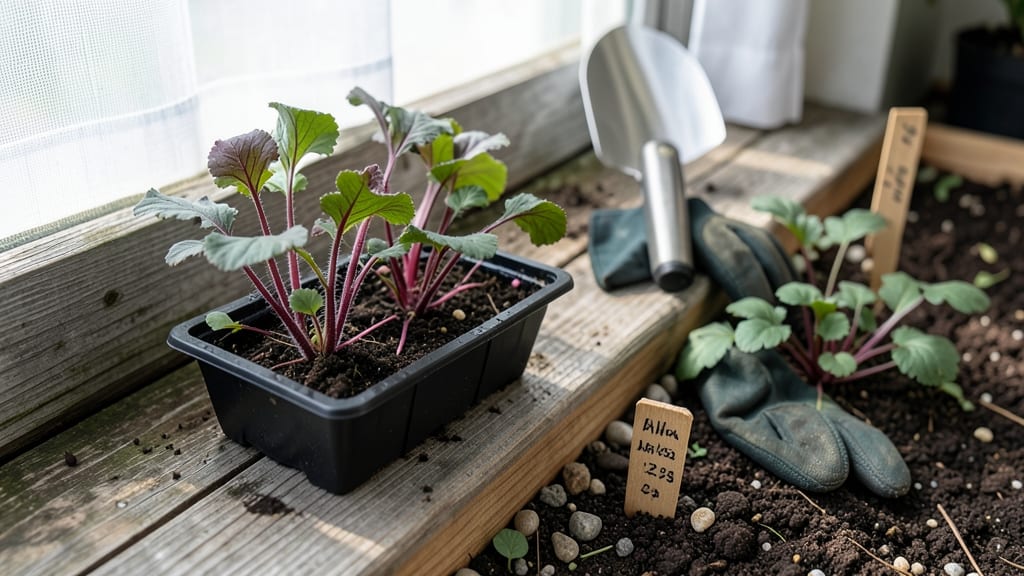
When to plant beets in New Jersey can make or break your harvest—get it wrong, and you’ll either deal with bitter, bolted greens or shrivel up waiting for roots to mature. The key is understanding NJ’s 6a-7b climate quirks, from last frost dates that creep into mid-April to summer heat that turns tender seedlings into sad, stunted plants.
Most gardeners focus only on spring planting, but fall offers a second chance for zero-bolt risk harvests that last until November.
I’ll break down the exact windows—when to start seeds indoors, when to direct-sow, and how to time succession plantings so you’re never without fresh 🥕 beets from June through frost.
You’ll also discover which varieties handle NJ’s unpredictable weather best (hint: ‘Detroit Dark Red’ and ‘Golden Beet’ are your secret weapons) and how to adjust for North vs. South Jersey’s microclimates. No more guessing—just a foolproof schedule that guarantees sweet, plump roots every time.
Ready to transform your garden into a beet bonanza? Let’s dive into the spring vs. fall planting battle—and why the right timing could save you from a season of disappointment.
Best spring planting dates for beets in NJ (avoid bolting)
Timing your beet seeds in New Jersey is all about beating the heat—literally. Beets bolt (go to seed) when soil temperatures hit 75°F, and our summers can push them there faster than you think.
The key is planting early enough for roots to mature before June’s heat sets in, but not so early that cold snaps damage tender seedlings.
For most of NJ (USDA Zones 6a-7b), the ideal spring window is mid-March to early April—just as the soil warms to 40-50°F.
This gives you a 6-8 week head start before bolting season begins. North Jersey gardeners should aim for late March, while South Jersey can push to early April for slightly warmer soil.
Here’s the critical rule: Plant your first batch when soil temps are 40-50°F (use a soil thermometer if unsure). If you’re in Zone 6a (like Sussex County), wait until mid-April—colder nights there can stall germination. For Zone 7b (like Cape May), late March works perfectly.
Pro tip: Use shade cloth (30-50%) if planting in late April to buy time. Beets tolerate partial shade, and this can delay bolting by 2-3 weeks during heatwaves.
I’ve seen Detroit Dark Red varieties thrive under cloth in June when planted in mid-May—just harvest the roots early to avoid seed stalks.
For succession planting, sow a second batch 4-6 weeks after your first. This ensures a continuous harvest through July before the real heat arrives. Space seeds 1-2 inches apart in rows 12 inches apart for easy thinning.
Thin to 3-4 inches between plants once the first true leaves appear—this prevents crowding and bolting.
Watch for soil crusting after rains, which can smother seedlings. Gently scratch the surface with a hoe or sprinkle compost to keep moisture even. Mulch with straw after germination to retain moisture and suppress weeds—this is non-negotiable in NJ’s unpredictable spring showers.
If you miss the spring window, don’t panic—fall planting is just as productive. But for now, focus on those March-April dates. Once your beets hit 1-3 inches in diameter, you’ll know you’ve nailed the timing.
🥕
Fall planting schedule for NJ beets: extend harvest until first frost
Fall is your second chance to grow bolting-resistant beets in New Jersey, but timing is critical. Plant too early, and your crop will bolt from summer’s heat; too late, and frost will cut your harvest short.
Aim for 8-10 weeks before your first frost—typically July 15 to August 15 for most of NJ—with adjustments for North vs. South Jersey’s microclimates.
Start with cool-season varieties like ‘Early Wonder’ or ‘Ruby Queen,’ which mature faster (50-60 days) and tolerate light frosts. These varieties thrive in 55-65°F soil temperatures, ideal for late summer’s cooling trend. For a continuous harvest, stagger plantings every 2-3 weeks until mid-September.
Prepare your soil by removing weeds and amending with compost or aged manure to replenish nutrients lost in summer. Beets prefer loose, well-draining soil with a pH of 6.0-7.0, so test and adjust if needed.
Mulch with straw to retain moisture and suppress weeds, which compete for nutrients as days shorten.
Water deeply once a week in the morning to encourage root growth, but avoid overwatering, which can split roots. Reduce watering as temperatures drop in October, letting the soil dry slightly between sessions. This prepares beets for light frost tolerance—they’ll sweeten with cold exposure, but avoid hard freezes.
Monitor your local frost dates (check the NJ State Climatologist for updates) and plan your final planting 6 weeks before frost. For example, if frost arrives October 15, your last planting should be by September 1. Use row covers if nights dip below 30°F to protect tender seedlings.
Harvest beets when roots reach 1-3 inches in diameter and tops are 3-4 inches tall. Pull gently to avoid damaging roots, or use a fork to loosen soil around larger beets.
Store harvested beets in a cool, dark place (40-50°F) for up to 2 weeks, or freeze for longer storage.
Fall-planted beets often outperform spring crops in NJ due to cooler temperatures and fewer pests. With the right timing and care, you’ll enjoy fresh, homegrown beets well into November—just in time for holiday meals! 🥕
- 🌱 July 15-31: First planting for early fall harvests (60-day varieties).
- 🌿 August 1-15: Second planting for mid-fall harvests; use bolt-resistant varieties.
- 🍂 August 16-31: Final planting for late fall harvests; aim for 50-day varieties.
- ❄️ September 1-15: Last chance for quick-maturing varieties; protect seedlings if frost threatens.
- 🥕 October-November: Harvest before hard frost; beets sweeten with cold exposure!