
Plants
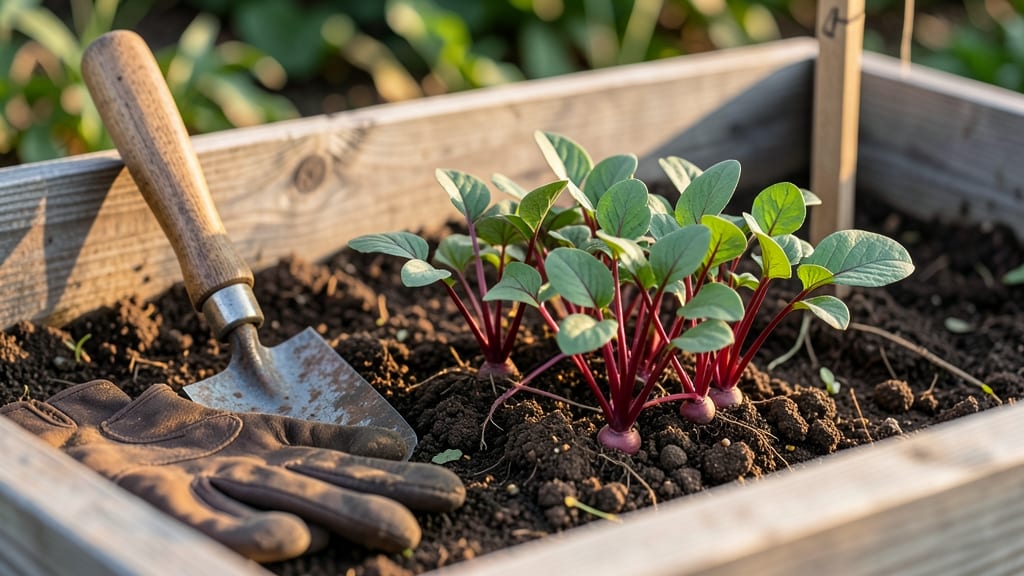
Knowing when to plant beets in Zone 5b is the difference between a thriving garden and a disappointing one. If you've ever watched your beet seeds bolt into flowers instead of growing sweet, tender roots, you're not alone—and timing is usually the culprit.
The key to success lies in planting during two critical windows: early spring and late summer. In Zone 5b, where frost lingers until mid-May and returns by mid-October, getting these windows right ensures your 🍠 beets mature before the cold sets in.
Let me show you exactly when to start seeds for the best harvests.
Most gardeners in Zone 5b focus on spring planting, but late summer offers a second chance for a fall harvest. I'll break down the exact frost-free timeline and how to adjust for your specific last frost date—so you can avoid the common mistakes that lead to bitter disappointment.
With the right timing, you'll enjoy fresh, flavorful beets from June through November. Let's dive into the foolproof schedule that works for Zone 5b's climate.

Optimal planting windows for beets in Zone 5b (with frost dates)
If you've ever planted beets in Zone 5b only to watch them bolt before producing sweet, tender roots, you're not alone. The key to success lies in understanding your last frost date and planting during the two ideal windows that align with your climate.
In Zone 5b, where the growing season is short and temperatures fluctuate, timing is everything.
For most of Zone 5b, the average last frost date falls around mid-May, while the first frost typically arrives in mid-October. This gives you roughly 165 frost-free days—just enough time to grow beets from seed to harvest if you plant at the right moments.
The two best times to plant beets in Zone 5b are early spring (as soon as the soil is workable) and late summer (for a fall harvest).
Let's break down the exact planting windows, frost considerations, and how to calculate your local last frost date for foolproof beet success. Knowing these details will help you avoid the heartbreak of bolting beets and ensure a steady harvest of sweet, earthy roots.
| Planting Window | Zone 5b Timeline | Key Considerations | Harvest Window |
|---|---|---|---|
| Early Spring | March 15 - April 15 | Soil temp ≥ 40°F, last frost after planting | June - July |
| Late Summer | July 15 - August 15 | First frost after 80 days, 6+ sun hours | October - November |
| Succession Planting | Every 2-3 weeks until June 15 | Maintain 45-50 day harvest window | Continuous harvest |
| Fall Planting (Risky) | September 1 (if 60 days to frost) | Use cold-hardy varieties, row covers | Late October |
🌱 Zone 5b Beet Planting Timeline
To determine your exact last frost date, check your local USDA Plant Hardiness Zone Map or use a frost calendar from your state's agricultural extension service.
Many gardeners in Zone 5b find that planting beets 4-6 weeks before the last frost gives seedlings enough time to establish before warmer weather arrives. For example, if your last frost is May 10, aim to plant in early April.
One trick I use is to plant a test row of beets in early March under row covers or cold frames. This gives me an early harvest while still allowing me to plant the main crop later.
The test row also helps me gauge soil temperatures—beets won't germinate well in soil colder than 40°F, so waiting until the soil warms up is crucial for even germination.
For the late summer planting window, focus on getting seeds in the ground by mid-August to ensure a harvest before the first frost. Beets planted in late summer need 6+ hours of sunlight daily and consistent moisture to develop properly.
I recommend using succession planting every 2-3 weeks from July through mid-August to extend your harvest window.
If you're new to Zone 5b gardening, don't overlook the importance of soil preparation before planting. Beets thrive in loose, well-draining soil with a pH between 6.0 and 7.0. Amend your soil with compost or aged manure a few weeks before planting to give your beets the best start.
Avoid fresh manure, which can cause bolting due to excess nitrogen.
Remember, beets are cool-season crops, so they'll tolerate light frosts after germination. In fact, a light frost can even sweeten the roots! However, once temperatures consistently rise above 75°F, beets will start to bolt.
This is why the late summer planting window is so critical—it allows you to take advantage of cooler fall temperatures for a second harvest.
Optimal planting windows for beets in Zone 5b (with frost dates)
In Zone 5b, timing your beet plantings around frost dates is critical—miss the window, and you risk bolting (premature flowering) or stunted growth. The key is to plant when soil temperatures hit 40-45°F and stay consistent, which typically aligns with early spring and late summer in this zone.
Your last frost date in Zone 5b usually falls around mid-May, while the first frost arrives in mid-October. This gives you a 165-day frost-free window—perfect for two planting cycles.
Plan your spring planting 4-6 weeks before your last frost, and your summer planting 8-10 weeks before the first frost.
| Planting Window | Soil Temp | Frost Risk | Harvest Time |
|---|---|---|---|
| Early Spring (March-April) | 40-50°F | Low (after last frost) | June-July |
| Late Summer (July-August) | 50-60°F | Low (before first frost) | October-November |
| Fall (September) | 45-55°F | Moderate (use row covers) | October |
For spring plantings, start seeds indoors 4-6 weeks before your last frost date to get a jump on the season. Direct-sow outdoors when soil is workable (around late March in Zone 5b).
If you’re unsure about your exact last frost date, check your local USDA frost map or use a frost calendar for your city.
In late summer, aim to plant seeds by mid-July to ensure your beets mature before the first frost. This second planting gives you a fall harvest when beets are often sweeter and less woody. Use row covers or cold frames if frost threatens early in the season.
Pro tip: Succession plant every 2-3 weeks in spring and summer to ensure a steady supply. Thin seedlings to 3-4 inches apart to prevent competition, and always harvest when roots reach 1-3 inches in diameter for the best flavor.
Remember, beets are cold-hardy but hate heat stress. Plant them when days are cool but warming—never in scorching summer heat. With the right timing, you’ll enjoy crisp, sweet beets all season long! 🌱