
Plants
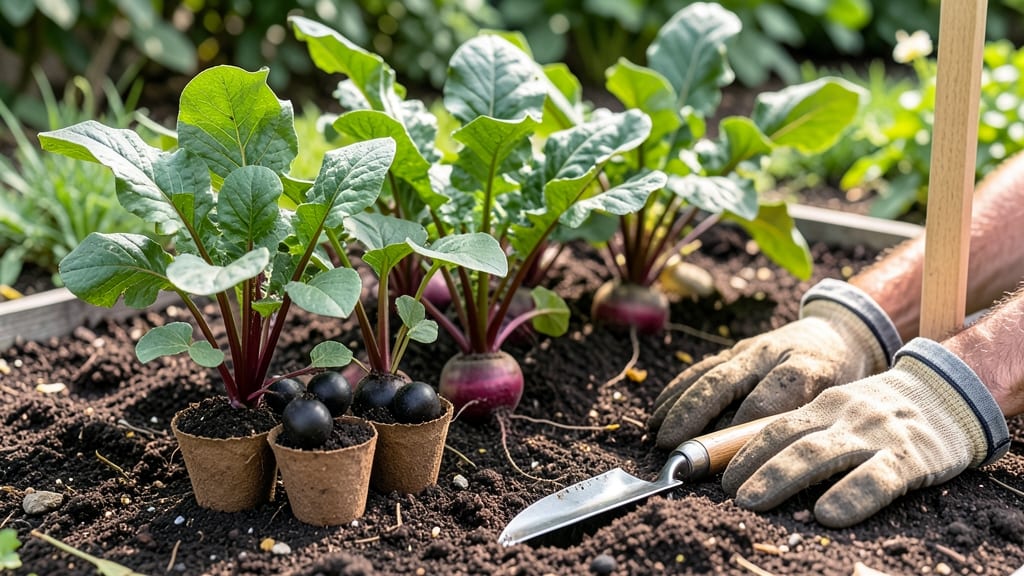
Knowing when to plant beets in North Carolina can mean the difference between a bountiful harvest and a garden full of disappointment. These vibrant 🍠 roots thrive in cooler weather, but timing is tricky—get it wrong, and you’ll either face frost damage or woody, bitter beets.
North Carolina’s Zone 7b-8a climate gives you two prime windows: early spring (March-April) and late summer (July-August). Plant too early, and a late frost will zap your seedlings. Too late, and summer’s heat turns your beets tough and unappetizing.
I’ll break down the exact frost-free dates for your region, whether you’re in the Piedmont or the mountains, so you can time your planting perfectly. With the right schedule, you’ll enjoy fresh, sweet beets from late spring through early fall.
Ready to grow beets that taste like they came straight from a farmers’ market? Let’s dive into the best planting times and tips to keep your garden thriving all season.
North Carolina beet planting calendar: exact dates by Zone 7b-8a
North Carolina’s diverse microclimates mean your beet planting dates should vary slightly depending on whether you’re in the Piedmont, Coastal Plain, or Mountains. The key is planting when soil temperatures hit 50-55°F and frost risk drops below 10%.
For most of Zone 7b-8a, this means starting seeds 2-4 weeks before your last frost date.
In Raleigh (Zone 7b), average last frost dates fall around March 15, while Asheville (Zone 7a) sees frost linger until April 1. Coastal areas like Wilmington (Zone 8a) can plant as early as February 15 for early harvests.
Always check your local Almanac frost dates to fine-tune timing.
Beets thrive in cool soil, so avoid planting when temperatures exceed 80°F. In NC’s summer heat, beets bolt (flower prematurely), ruining your harvest. For a fall crop, aim to sow seeds by July 15 in the Piedmont or August 1 in the Mountains.
| Region | Zone | Spring Planting Window | Fall Planting Window | Last Frost Date |
|---|---|---|---|---|
| Coastal (Wilmington) | 8a | Feb 15 - Mar 15 | Jul 1 - Aug 15 | Mar 1 |
| Piedmont (Raleigh) | 7b | Mar 1 - Apr 15 | Jul 15 - Aug 10 | Mar 15 |
| Mountains (Asheville) | 7a | Apr 1 - May 1 | Aug 1 - Sep 1 | Apr 1 |
For direct sowing (planting seeds directly in the garden), start 4-6 weeks before your region’s last frost date. Beets germinate best in 50-75°F soil, so use a soil thermometer to monitor temperatures. If your soil is too cold, opt for slow-release fertilizer to warm it faster.
Transplanting beet seedlings is tricky because they have delicate roots. If you must transplant, do it in cool evenings (below 75°F) and keep seedlings shaded for the first week. For best results, sow seeds directly into the garden—beets hate root disturbance.
In Zone 8a (coastal NC), you can even try an early February planting under row covers or in a greenhouse. This gives you a jump on the season and extends your harvest window. Just remove covers when daytime temps hit 70°F to prevent overheating.
Never plant beets where you’ve grown other root vegetables (like carrots or potatoes) in the past year—this increases disease risk. Instead, rotate crops and amend soil with compost to improve drainage. Well-drained soil prevents woody roots and ensures sweet, tender beets.
Pro tip: Succession plant every 2 weeks from March through August for a continuous harvest. This works especially well in Zone 7b, where you can stretch your beet season from May through October with careful timing.
Watch for heat stress after June 15 in most of NC. If daytime temps exceed 85°F, provide afternoon shade with floating row covers or plant heat-tolerant varieties like ‘Cylindra’ or ‘Detroit Dark Red’.
How to extend your beet harvest season in NC’s climate
North Carolina’s mild winters and hot summers create unique challenges for growing beets. While the ideal planting window is spring and early fall, strategic planning lets you enjoy fresh beets from March through October. The key? Succession planting, shade protection, and choosing the right varieties for your microclimate. Start with early spring plantings in February-March for a harvest by May. Then, use succession sowing every 2-3 weeks to keep a steady supply. For summer, opt for heat-tolerant varieties like Detroit Dark Red or Chioggia, which handle 80°F soil temps better than others.Here’s how to maximize your harvest season with minimal effort:
Sow seeds every 2-3 weeks from March to July for continuous harvests. Use shade cloth (30-50%) over summer plantings to prevent bolting.
Choose Detroit Dark Red (classic, reliable) or Chioggia (striped, sweet) for summer. Avoid Boltardy types—they’re better for cooler months.
Sow seeds in late July-August for a September-October harvest. Use row covers to extend the season into early November in Piedmont zones.
Coastal NC: Plant January-February for early harvests. Mountains (Asheville): Extend fall plantings to early September.
Amend soil with compost and mulch heavily to retain moisture. Beets hate dry soil—consistent watering is critical in summer’s heat.
Don’t overlook container growing for small spaces or urban gardens. Use 5-gallon pots with well-draining soil and plant 3-4 seeds per container. Containers warm up faster in spring, so start them 2 weeks earlier than in-ground plantings. Just ensure pots get full sun—beets won’t tolerate shade.
Pro tip: Harvest young greens first if beets bolt in summer. The leafy tops are edible and packed with nutrients, giving you a secondary harvest even if the roots become tough.
For longer storage, leave beets in the ground until frost or cure them by storing in a cool, dark place (40-50°F) for up to 3 months
By combining these strategies, you’ll turn North Carolina’s unpredictable climate into an advantage. Soon, you’ll have crisp, homegrown beets on your table from spring through fall—no grocery store in sight! 🌱