
Plants
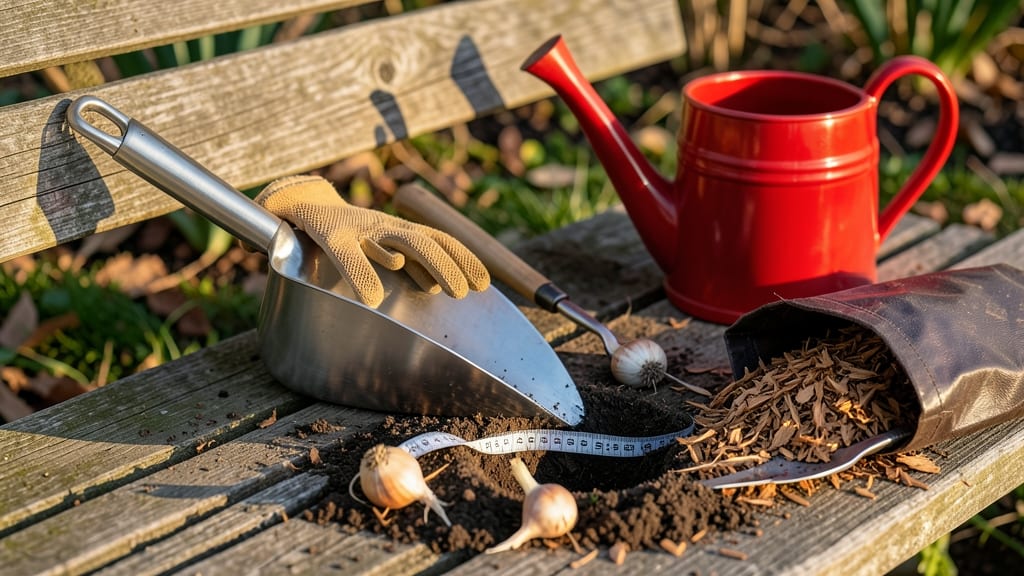
Planting daffodil bulbs at the wrong time in Southern California can mean the difference between a vibrant spring display and wasted effort. Unlike regions with harsh winters, your 9b-11 climate gives you a longer window—but timing still matters to avoid heat stress or missed blooms.
Most gardeners in your area rush to plant in late fall, but the ideal window actually starts in October. This ensures bulbs establish roots before summer dormancy kicks in. Coastal areas can even plant into early January, while inland zones should finish by December to avoid rare frost pockets.
Don’t let common mistakes ruin your 🌼 daffodil dreams. Poor soil prep or shallow planting leads to weak stems and fewer flowers. I’ll show you how to time it perfectly—plus the soil tricks that make all the difference in Southern California’s unique microclimates.
Ready to transform your garden into a springtime spectacle? Let’s break down the exact steps to plant your daffodils for maximum impact—no guesswork, just guaranteed blooms.
Southern California daffodil planting calendar: exact months for zero-frost success
Southern California’s mild winters and long growing seasons create perfect conditions for daffodils, but timing still matters. Unlike northern climates, frost isn’t your enemy—but heatwaves and poor drainage can be.
The ideal window is October through December, when soil temps hover between 60–65°F, encouraging root growth before summer dormancy.
Coastal areas like San Diego or Santa Barbara can plant slightly later (up to January) thanks to their warmer microclimates. Inland zones like the Inland Empire or Central Valley should aim for October–November to avoid early December frosts that rarely occur but can still stress bulbs.
Here’s your SoCal daffodil planting timeline, broken down by microclimate and key soil conditions:
| Zone & Microclimate | Best Planting Window | Soil Temp Goal | Key Considerations |
|---|---|---|---|
| Coastal (San Diego, Santa Barbara) | October–January | 60–65°F | Warmer winters; plant later if soil is still workable. |
| Inland (LA Basin, Riverside) | October–November | 60–65°F | Avoid December planting; frosts possible after Dec 15. |
| Desert-Adjacent (Palm Springs) | September–October | 65–70°F | Plant early to escape summer heat; use shade cloth. |
| All Zones (Container Planting) | October–November | 55–60°F | Use well-draining pots; move to shade in summer. |
Pro tip: Use a soil thermometer to confirm temps—60°F+ is ideal for root growth. If your soil is too hot (above 70°F), wait 2–3 weeks or plant in shaded areas to prevent bulb stress.
Rainfall is another SoCal wildcard. Coastal areas get winter showers, so plant in October to let roots establish before wet seasons. Inland zones like San Fernando Valley may need irrigation adjustments—aim for 1–2 inches of water weekly until roots settle.
For early bloomers (like ‘Tête-à-Tête’), plant in late October for February–March flowers. Late varieties (e.g., ‘Ice Follies’) can go in November for April–May blooms. The key? 6–8 weeks before first frost—but in SoCal, that’s more about avoiding summer heat than frost.
One non-negotiable rule: Never plant after January unless you’re in Zone 11. By then, bulbs may sprout too early, only to bake in summer heat before flowering. Think of it as reverse counting—plant early enough so bulbs root but don’t bloom until spring.
Finally, mulch after planting with 2–3 inches of straw or wood chips. This keeps soil cool in summer and moist in winter, giving your daffodils a head start on next year’s blooms.
🌼
5 Critical factors that determine your perfect planting date (beyond just months)
Southern California’s mild climate might make daffodils seem low-maintenance, but soil temperature is the real game-changer. Aim for 60–65°F soil temps—cooler than air temps—to trigger root growth without waking the bulb too early.
Use a soil thermometer (or your elbow: press it in—if it feels like a warm bath, it’s ready). Inland areas like Palm Springs can plant earlier (late September), while coastal zones like Santa Barbara should wait until November to avoid winter rains.
Next, check your rainfall forecast. Daffodils hate soggy soil, so avoid planting during predicted downpours. In Los Angeles County, November’s sporadic showers are safer than October’s monsoon remnants.
Pro tip: Plant bulbs in raised beds or on mounds if your yard floods easily—well-draining soil is non-negotiable for zero bulb rot.
| Factor | Southern California Adjustments | Actionable Tip |
|---|---|---|
| Soil Temperature | 60–65°F (coastal: Nov; inland: Oct) | Test with thermometer or elbow test |
| Rainfall Timing | Avoid heavy rains (Oct monsoons vs. Nov drizzles) | Use raised beds or slopes for drainage |
| Bulb Variety | Early bloomers (Jan) vs. late (Apr) | Plant early varieties in Dec; late in Oct |
| Microclimate | Coastal (Santa Barbara) vs. inland (Palm Springs) | Coastal: Wait until Nov; inland: Plant by Oct 15 |
| Elevation | Sea level (LA) vs. 3,000ft (Big Bear) | Higher elevation = plant 2–3 weeks earlier |
Don’t overlook your daffodil variety—early bloomers like ‘February Gold’ need planting by December 1, while late bloomers such as ‘Ice Follies’ can wait until January. Check the USDA zone on your bulb packaging: Zone 9b (coastal) vs. Zone 10a (inland) can shift your window by weeks.
For example, San Diego’s Zone 10a allows January planting, while San Bernardino’s Zone 9b risks frost if planted after December 15.
Finally, elevation matters. Every 1,000ft gain drops temps by 5°F, so Big Bear’s 7,000ft elevation lets you plant 2–3 weeks earlier than LA’s sea level. Use a microclimate map (like Sunset’s Western Garden Book) to pinpoint your exact zone.
Pro move: Group bulbs by bloom time—plant early varieties in containers for flexible timing if your yard’s microclimate is mixed.
Master these 5 factors, and your daffodils will bloom like clockwork—no frost, no flops. Start with soil temps, then adjust for rain, variety, microclimate, and elevation. Your zero-frost garden awaits! 🌼