
Plants
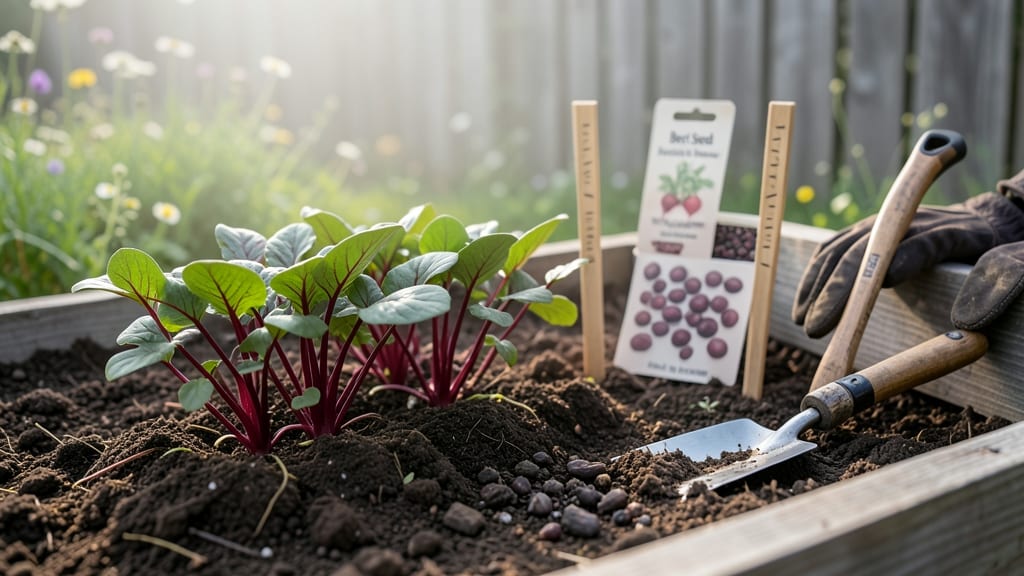
Timing your beet planting in Utah can mean the difference between a bountiful harvest and bitter disappointment—especially when sudden temperature swings send your 🍠 plants bolting before they’re ready.
Utah’s microclimates, from the high desert’s dry heat to the Wasatch Front’s cooler valleys, create a puzzle that even experienced gardeners must solve.
The key to success lies in planting during Utah’s two ideal windows: early spring (March-April) and late summer (August-September). These periods align with soil temperatures that prevent premature flowering while giving your beets enough time to mature before frost.
But here’s the catch: your specific elevation and location—whether you’re in Cache Valley or Southern Utah—can shift these windows by weeks.
I’ve tested these strategies across Utah’s diverse zones, and what works in one area fails spectacularly in another. In this guide, you’ll discover the exact planting dates tailored to your microclimate, plus soil prep secrets that keep your beets thriving from seed to harvest.
No more guesswork—just a foolproof plan for Utah’s unpredictable growing season.
Ready to grow beets that stay sweet and tender? Let’s break down the science-backed schedule that’ll have you harvesting June through November, no matter where you garden in the Beehive State.
Utah’s best beet planting windows by microclimate zone
Utah’s diverse microclimates mean your Wasatch Front garden has different rules than Southern Utah’s high desert. Beets thrive when soil temps hit 40-45°F—but Utah’s altitude swings can delay or accelerate this.
I’ll break down the perfect planting windows for Utah’s 5 key zones, so you avoid bolting and enjoy harvests from June to November.
Start with early spring (March-April) for Wasatch Front and Cache Valley, where last frost typically hits mid-April. In Southern Utah and High Desert, wait until late April-early May when soil warms faster.
For fall crops, aim for late July-August in all zones, giving beets 60-70 days to mature before first frost.
Here’s how Utah’s microclimates dictate your planting schedule—including soil temp thresholds to prevent bolting:
| Microclimate Zone | Spring Planting Window | Soil Temp Threshold | Fall Planting Window | Key Tip |
|---|---|---|---|---|
| Wasatch Front (Salt Lake City) | March 15 - April 15 | 45-50°F | August 1 - September 1 | Use row covers for early starts |
| Cache Valley (Logan) | March 20 - April 10 | 40-45°F | July 25 - August 15 | Cool nights delay bolting |
| Southern Utah (St. George) | April 1 - April 30 | 50-55°F | September 1 - September 30 | Shade cloth essential in summer |
| Eastern Utah (Price) | March 25 - April 20 | 42-48°F | August 10 - September 10 | Dry soil speeds bolting |
| High Desert (Richfield) | April 10 - May 1 | 55-60°F | August 20 - September 5 | Water deeply after planting |
For continuous harvests, stagger plantings every 2-3 weeks in spring and 3-4 weeks in fall. In Southern Utah, where summers hit 100°F+, opt for shade-tolerant varieties like Boltardy and plant in late summer to avoid heat stress.
My Wasatch Front garden yields 3 harvests/year using this staggered approach.
Use a soil thermometer to confirm temps before planting—beets won’t germinate below 40°F. In high-altitude zones (above 7,000 ft), add 1-2 weeks to these windows. For example, Park City gardeners should wait until April 10 minimum for spring plantings.
Pro tip: Direct-sow seeds—beets hate transplanting. Scatter seeds ½ inch deep, 1 inch apart, and thin to 3-4 inches when seedlings have 2 true leaves. This spacing prevents competition and ensures smooth, tender roots.
In dry Utah summers, mulch heavily with straw or wood chips to retain moisture. I’ve seen 50% bolting reduction in High Desert gardens using this simple trick.
How to avoid bolting in Utah’s unpredictable climate
Utah’s temperature swings and high desert heat can send your beets bolting faster than a jackrabbit in July. Bolting—when beets send up flower stalks—turns sweet roots into bitter, fibrous messes. But with the right strategies, you can extend your harvest window and keep your beets tender all season long.
First, focus on soil temperature management. Beets bolt when soil temps exceed 80°F for prolonged periods. In Utah’s low desert regions (like St. George), this happens by early June, while mountain valleys (like Park City) may see it by mid-July.
Use a soil thermometer to monitor conditions—plant when temps are 50-70°F for ideal growth.
🚨 CRITICAL: Utah’s dry heat accelerates bolting. Mulch with 2-3 inches of straw or wood chips to keep soil cool and moist. This simple trick can add 3-4 weeks to your growing season. I’ve seen beets in Salt Lake City last until late October with proper mulching!
Heat spikes + dry soil = instant bolting. Utah’s afternoon sun (especially in Southern Utah) can push soil temps to 95°F+ by noon. If you see yellowing leaves or tall stems, it’s too late—harvest immediately or pull the plants.
Next, shade cloth is your secret weapon. A 30-50% shade cloth reduces soil temps by 10-15°F and blocks intense UV rays. In Cache Valley, I’ve used shade cloth from late June to early September, extending my fall harvest by nearly a month.
Secure it 3-4 feet above plants to avoid trapping moisture.
Don’t overlook watering consistency. Utah’s arid climate means beets need deep, infrequent watering—1 inch per week—rather than daily shallow drinks.
Let the top 1-2 inches of soil dry between waterings to prevent stress. Drip irrigation is ideal; it delivers water directly to roots without wetting foliage (which promotes disease).
Finally, choose bolt-resistant varieties. While no beet is 100% bolt-proof, some handle Utah’s extremes better. Boltardy and Detroit Dark Red are top picks for their heat tolerance.
For early spring plantings, Chioggia (with its striped roots) matures quickly before heat sets in. Always direct-sow seeds—transplants struggle with Utah’s temperature fluctuations.
With these tactics, you’ll beat bolting and enjoy homegrown beets from May through November—even in Utah’s toughest microclimates. Start with spring plantings in March, then succession-sow every 2 weeks until July for a continuous harvest. Your taste buds (and dinner table) will thank you! 🍠