
Plants
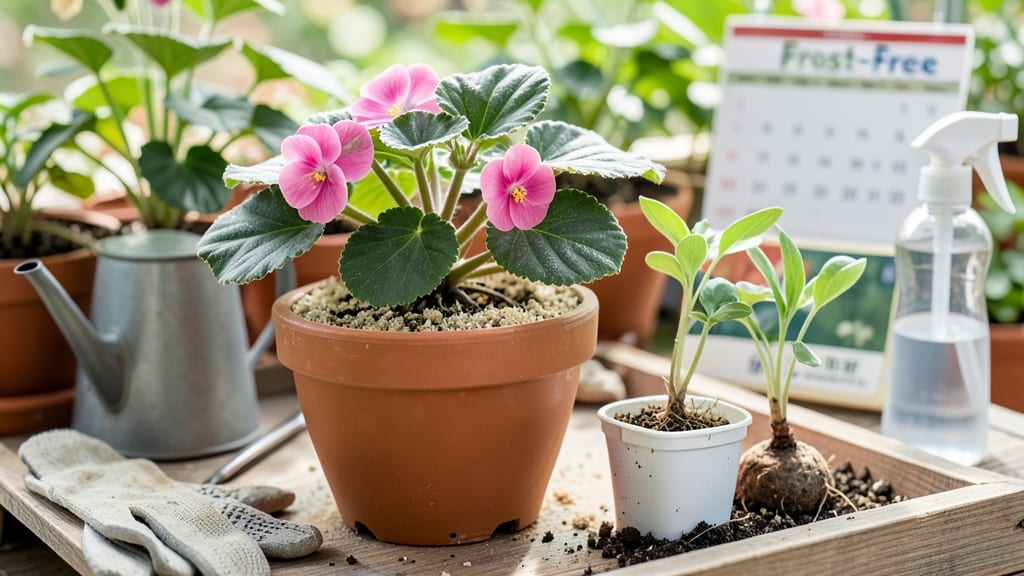
Timing your begonias in pots just right can mean the difference between a showstopping display of 🌸 blooms and a struggling plant that barely survives.
If you've ever watched your potted begonias wilt despite your best efforts, you're not alone - the secret lies in understanding when to plant them for maximum success.
For gardeners in Zone 6a (like me!), the ideal window falls between April and May, right after the last frost date.
But here's the catch: container planting gives you more flexibility than in-ground beds, and knowing how to adjust your schedule can make all the difference in your begonias' health and flowering potential.
I'll walk you through exactly when to plant your begonias in pots for your specific zone, plus pro tips for container size, soil prep, and post-planting care that'll keep those 🌸 beauties thriving all season long.
Whether you're a beginner or seasoned gardener, these insights will help you avoid common mistakes and get the most vibrant blooms possible.
Let's dive into the perfect planting schedule that'll have your begonias looking their absolute best from spring through fall.
You'll discover how to read seasonal cues, adjust for your local climate, and create the ideal growing conditions in containers - all while avoiding those frustrating mid-season setbacks that can derail even the most enthusiastic gardeners.
Best planting months for begonias in pots by USDA hardiness zone
Timing is everything when it comes to planting begonias in pots. These stunning flowering plants thrive in warm weather but can’t handle frost or cold soil.
The ideal window depends on your USDA hardiness zone, with most gardeners aiming for spring planting after the last frost or late summer for a fall display. Let’s break it down by zone so you can plant with confidence.
For tuberous begonias (the most popular type for pots), wait until soil temperatures reach at least 60°F (15°C).
This usually aligns with late April to early May in most regions. Fibrous-rooted begonias, on the other hand, are slightly more flexible and can handle cooler soil, making them easier to plant in early spring or even late winter in warmer zones.
Here’s the key: Zone 3-5 gardeners should wait until after May 15 to avoid frost damage, while Zone 6-8 gardeners can plant as early as March 15 in containers. In Zones 9-11, you can even plant year-round with proper care, though spring and fall are still ideal for blooms.
| USDA Zone | Ideal Planting Months | Frost Risk | Container Notes |
|---|---|---|---|
| 3-5 | Late May - Early June | High (wait for soil at 60°F+) | Use black pots to absorb heat |
| 6-8 | April - Early May | Moderate (check frost dates) | Move indoors if nights dip below 50°F |
| 9-11 | February - March or September | None (plant anytime) | Provide afternoon shade in summer |
🌱 Pro Tip: Always use pots with drainage holes to prevent root rot in begonias.
If you’re planting tuberous begonias, start them indoors 8-10 weeks before your last frost date for a head start. This gives you bigger, bushier plants by summer.
For fibrous-rooted varieties, you can direct-sow into pots once soil is workable, usually 2-4 weeks before your ideal outdoor planting date.
For a fall display, aim to plant tuberous begonias in late summer (August-September) in Zones 6-11. These late plantings will bloom until first frost, giving you vibrant color when many other plants have faded.
Just be sure to harden off your plants for 7-10 days before moving them outside.
One common mistake? Planting too early in cool zones. Begonias won’t thrive in cold soil, leading to stunted growth or no blooms. Always check your local frost dates and monitor soil temps with a soil thermometer if you’re unsure.
A few extra weeks of waiting can mean the difference between a thriving potted begonia and a struggling one.
Remember, container gardening gives you flexibility. Unlike in-ground planting, you can move pots to warmer microclimates or even bring them indoors if a late frost threatens. This makes begonias one of the most forgiving potted plants for beginners and experts alike.
For Zones 3-5, consider starting with fibrous-rooted begonias—they’re hardier and more adaptable to cooler temps. Tuberous varieties are better suited for Zones 6-11, where they can truly shine with their bold blooms and lush foliage.
Choose your variety based on your zone, and you’ll set yourself up for success.
Signs your begonia planting timing is perfect (or terrible)
Your begonias in pots send clear signals about whether you’ve planted them at the right time. One of the first things to watch for is leaf color.
Healthy, vibrant green leaves with a slight waxy sheen indicate ideal conditions, while yellowing or wilting suggests you planted too early or in cold soil temperatures. I always check for this within 7-10 days after planting.
Another key indicator is bud formation. If your begonia starts forming buds within 3-4 weeks, that’s a great sign you’ve timed it perfectly. These buds will eventually turn into those stunning 🌸 blooms you’re after.
If no buds appear after 6 weeks, you might need to adjust your planting schedule for next year.
Don’t overlook soil temperature as a crucial clue. Begonias thrive when soil stays above 60°F (15°C). Use a soil thermometer to check—if it’s cooler than this, your plant will struggle.
In containers, soil warms up faster than in-ground beds, which is why potted begonias often have a slight advantage in cooler zones.