
Plants
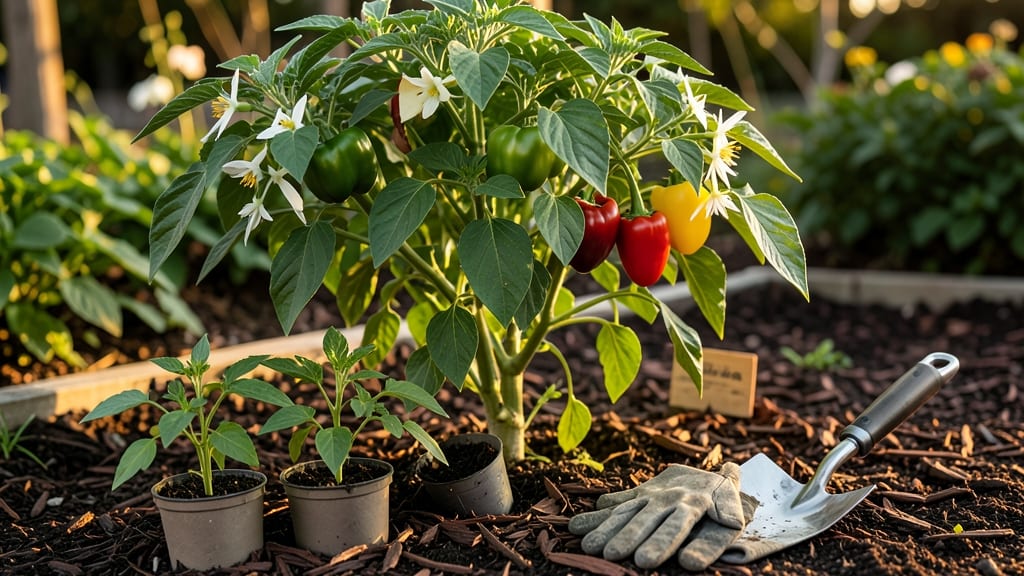
If you’ve ever planted bell peppers 🌶️ in South Florida only to watch them bolt before ripening, you’re not alone. The key to success isn’t just picking a month—it’s mastering soil temperatures and microclimates most guides overlook.
South Florida’s frost-free 10b-11 zone means you can grow bell peppers year-round, but timing is everything. Plant too early, and the heat will trigger bolting; too late, and you’ll miss your harvest window.
I’ll show you exactly when to start seeds or transplants for two ideal windows—plus how to adjust for Miami’s humidity vs. Tampa’s heat spikes.
Beyond the calendar, soil temperature is the game-changer. Bell peppers need 70°F+ soil to thrive, not just warm air. I’ll break down how to test your soil, choose the right varieties (like heat-tolerant ‘Aristotle’), and use shade cloth to extend your season without sacrificing flavor.
Ready to avoid bitter, bolted peppers and enjoy a continuous harvest? Let’s dive into the soil temp secrets that’ll transform your South Florida garden this year.
South Florida bell pepper planting calendar: soil temp secrets to prevent bolting
Bell peppers thrive in South Florida’s heat, but timing is everything to avoid bolting—when plants produce flowers and fruit prematurely. Unlike northern climates, we don’t worry about frost, but soil temperature (not air temp) determines success. Plant too early, and your peppers will turn bitter or flower before ripening.
Most gardeners focus on months, but soil temperature is the real game-changer. Bell peppers need consistent soil temps above 70°F to grow properly. In South Florida, this means two ideal planting windows: early spring and late summer.
Let’s break it down by microclimate—Miami/Dade vs. Tampa Bay—because even within the state, conditions vary.
🌱
| Planting Window | Soil Temp Requirement | Miami/Dade County | Tampa Bay Area | Key Considerations |
|---|---|---|---|---|
| Early Spring | 70°F+ soil temp | January–February | February–March | Start seeds indoors in December; transplant when soil warms. Avoid planting before mid-January in Miami to prevent bolting. |
| Late Summer | 70°F+ soil temp | August–September | July–August | Use shade cloth (30-50%) to protect from 90°F+ heatwaves. Tampa Bay’s humidity helps, but Miami’s intense sun requires extra care. |
| Contingency Plan | Soil temp drops below 65°F | Use row covers or move pots to shadier spots | Mulch heavily to retain heat; avoid planting in low-lying areas | Check soil temp with a thermometer (available at garden centers). Never plant when soil is cooler than 65°F. |
| Heatwave Adjustments | Soil temp > 85°F | Pause planting until temps drop; use drip irrigation | Stagger planting every 2 weeks for continuous harvest | Choose heat-tolerant varieties like 'Aristotle' or 'Carmen'. Avoid overwatering—stick to deep, infrequent watering. |
For Miami/Dade County, aim to plant bell pepper seeds or transplants in January–February for a spring harvest. The soil warms quickly here, but avoid planting before mid-January—even if air temps feel mild.
Use a soil thermometer to confirm temps are above 70°F before transplanting. If you’re in Tampa Bay, wait until February–March for early spring planting, as the sandier soil heats up slower.
Your second planting window comes in late summer, specifically August–September in Miami and July–August in Tampa. This is your chance for a fall harvest before cooler temps arrive. However, heatwaves can derail this plan.
If temps exceed 90°F for more than 3 days, your peppers may bolt. Use shade cloth (30-50%) to diffuse sunlight and keep soil temps stable.
Pro tip: Stagger your plantings every 2 weeks within these windows. This ensures a continuous harvest and reduces the risk of losing an entire crop to bolting or pests.
For example, plant half your seeds in January and the rest in February. Repeat the process in August and September.
If you’re growing bell peppers in containers, you have even more flexibility. Pots heat up faster than garden beds, so monitor soil temps closely. Move containers to shadier spots during heatwaves or use light-colored pots to reflect excess heat.
In heavy clay soils (common in Miami), amend with compost or sand to improve drainage and prevent root stress.
🌡️
South Florida bell pepper planting calendar: soil temp secrets to prevent bolting
Most gardeners focus on monthly planting charts, but in South Florida, soil temperature is the real game-changer for bell peppers 🌶️. Unlike cooler climates, your peppers won’t bolt because of cold—they’ll bolt from heat stress when soil hits 85°F+.
The key is planting when soil is 70°F+ but air temps stay below 90°F for long stretches.
For South Florida’s 10b-11 zones, this means two ideal windows: January-February for spring harvests and August-September for fall production. Miami’s coastal humidity and Tampa’s inland heat create microclimates where timing can vary by 2-3 weeks—so test your soil before planting!
🌱
| Planting Window | Soil Temp Requirement | Air Temp Ideal Range | Miami/Dade Notes | Tampa Bay Notes |
|---|---|---|---|---|
| Jan-Feb (Spring) | 70°F-75°F | 70°F-85°F | Humidity spikes; use shade cloth if >80°F | Drier soil; water deeply 2x/week |
| Aug-Sept (Fall) | 75°F-80°F | 80°F-90°F | Use 30% shade cloth afternoons | Morning watering critical; mulch heavily |
| Heatwave Contingency | >85°F | >90°F | Switch to 'Aristotle' variety; 50% shade | Pause planting; focus on seedlings indoors |
To test your soil temperature, use a soil thermometer (or a candy thermometer) and check 2 inches deep in morning shade. In Miami, coastal breezes keep soil cooler, while Tampa’s inland areas can run 5-10°F hotter.
For the January-February window, aim for 70°F+ soil—this prevents early bolting while avoiding summer’s extreme heat.
For the August-September window, soil temps naturally rise, but you’ll need to monitor daily. If temps exceed 85°F, switch to heat-tolerant varieties like ‘Aristotle’ or ‘Carmen’ and install shade cloth by midday.
I’ve had success with 30-50% shade during peak afternoon sun (12 PM - 4 PM) to keep soil temps stable.
🌡️
Pro tip: Start transplants indoors 6-8 weeks before your target window to give them a head start. South Florida’s long growing season means you can stagger plantings every 2 weeks for continuous harvests—just adjust shade and watering as temps shift.
The goal is to keep your peppers happy and productive, not stressed and bolting!