
Plants
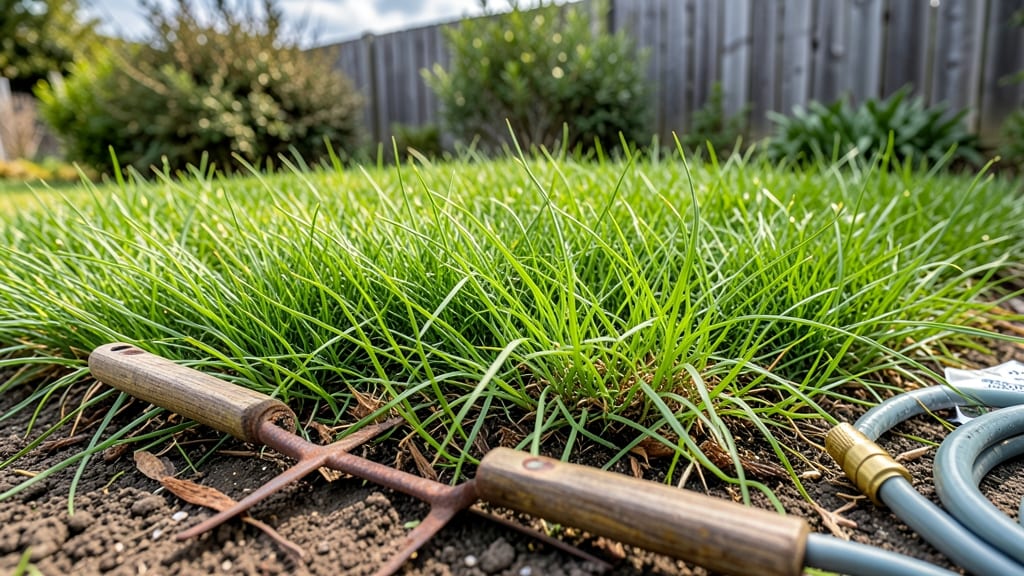
Timing your Bermuda grass seed planting in South Carolina can make or break your lawn’s survival through the brutal summer heat—get it wrong, and you’ll be battling weak growth all season.
With USDA zones 7b-8a bringing scorching afternoons, most gardeners rush to plant too early, only to watch their seeds bake in the soil. The secret? Waiting until the ground warms to 65°F or higher—typically late April through early June or mid-August to early September.
I’ve seen firsthand how a few weeks’ difference can turn a patchy lawn into a thick, drought-resistant carpet. Let me walk you through the exact windows, soil prep tricks, and common mistakes that even experienced gardeners overlook.
Whether you’re starting from scratch or overseeding, these insights will help you avoid the heartache of failed germination and set your lawn up for summer success.
Best planting windows for Bermuda grass seed in South Carolina’s climate
South Carolina’s humid subtropical climate creates two ideal windows for planting Bermuda grass seed: late spring and early fall. The key is avoiding early spring frosts and summer heat stress while ensuring soil temperatures stay above 65°F for germination.
In USDA zones 7b-8a, your best bet is planting between late April and early June (spring) or mid-August to early September (fall). These windows balance warm soil and moderate temperatures, giving young grass a fighting chance against South Carolina’s intense summer sun.
If you’re in coastal areas like Charleston or Hilton Head, aim for May-June planting to avoid hurricane season disruptions. Inland regions (e.g., Columbia or Greenville) can push planting to late April when soil warms faster.
🌱 Bermuda Grass Planting Timeline for South Carolina
| Season | Best Planting Window | Soil Temp Requirement | Key Consideration |
|---|---|---|---|
| Spring | Late April–Early June | 65°F+ | Avoid early frost risk; establish before summer heat |
| Fall | Mid-August–Early September | 70°F+ | Beat summer heat; roots establish before winter dormancy |
| ⚠️ Avoid: Planting before April 15 (frost risk) or after September 15 (weak fall growth) | |||
Bermuda grass thrives in full sun (6+ hours daily), so South Carolina’s long, hot summers are perfect—once established. However, seed germination struggles in soil temps below 65°F, which is why timing matters.
Use a soil thermometer to confirm readiness; coastal areas may need to wait 1-2 weeks longer than inland zones.
Pro tip: Plant when daytime highs are consistently above 75°F to prevent seed rot from lingering moisture. In Upstate SC, this often means waiting until mid-May, while Lowcountry areas can start in late April.
For overseeding (adding seed to existing grass), follow the same windows but reduce seed rates by 30%. This helps fill thin spots without overwhelming established turf.
Remember: Bermuda grass is dormant in winter, so fall planting gives roots time to anchor before first frost (typically mid-November). Spring planting, however, offers faster summer establishment for immediate use.
If you miss these windows, don’t panic! Bermuda grass can be sprigged (planted via sod pieces) in late spring for faster results, though seed is cheaper and easier for large areas.
🌿
Best planting windows for Bermuda grass seed in South Carolina’s climate
South Carolina’s humid subtropical climate creates two ideal windows for planting Bermuda grass seed: late spring and early fall. The USDA zones 7b-8a here mean heat and humidity play critical roles in germination success.
Planting at the wrong time can lead to poor seedling vigor or even failure due to soil temperature extremes or competition from weeds.
For spring planting, aim for late April through early June when soil temperatures consistently stay above 65°F. This timing ensures your seeds germinate before the intense summer heat arrives.
Fall planting should occur between mid-August and early September to give seedlings time to establish before cooler temperatures and fall rains arrive.
🌱
| Planting Window | Soil Temperature | Key Considerations | Best For |
|---|---|---|---|
| Late April - Early June | 65°F+ | Warm soil, less weed competition, strong summer growth | New lawns, full sun areas |
| Mid-August - Early September | 70°F+ | Cooler nights, less heat stress, fall establishment | Repairs, patchy lawns |
If you’re in coastal South Carolina, like Charleston or Myrtle Beach, you’ll have slightly longer growing seasons. Plant 1-2 weeks earlier in spring and 1-2 weeks later in fall to take advantage of milder coastal temperatures.
Inland areas, such as Columbia or Greenville, may need to stick closer to the recommended windows due to hotter summers and earlier frosts.
Bermuda grass thrives in full sun, so ensure your planting site gets at least 6-8 hours of direct sunlight daily. Shade from trees or buildings can delay germination and weaken seedlings.
Test your soil’s pH level (ideal range: 6.0-7.0) before planting, as acidic or alkaline soil can hinder root development.
Once you’ve chosen your planting window, prepare the soil by removing debris and tilling to a depth of 4-6 inches. This ensures proper seed-to-soil contact and helps prevent soil compaction, which can suffocate young roots.
Watering deeply after planting is also critical—aim for 1 inch of water per week during establishment.
Timing isn’t just about months; it’s about soil conditions. Use a soil thermometer to confirm temperatures meet the 65°F threshold before planting. If you plant too early, seeds may rot in cold soil; too late, and seedlings won’t have enough time to establish before summer’s intensity.