
Plants
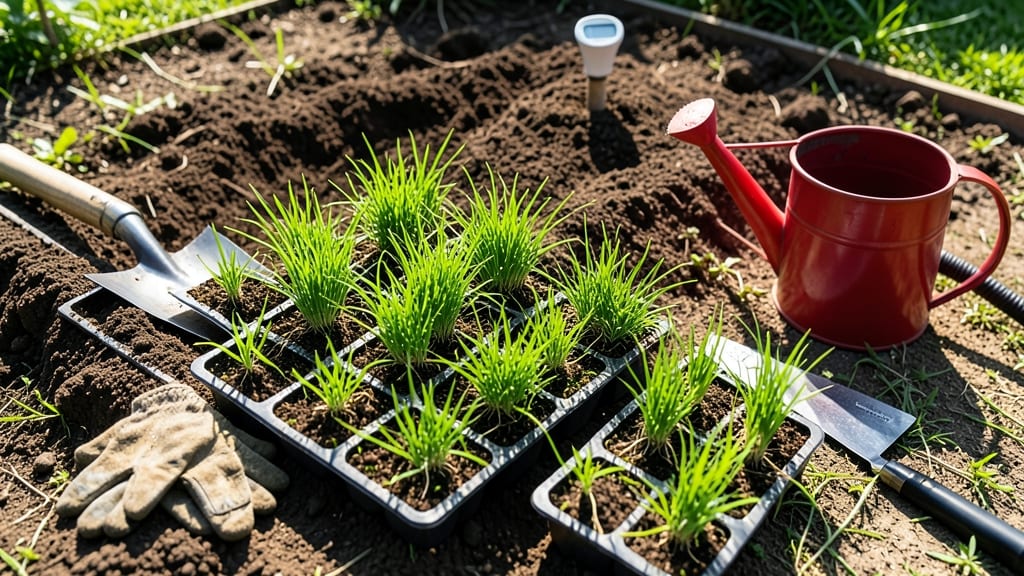
Timing your Bermuda grass planting in Virginia is the difference between a lush, summer-ready lawn and a frustrating gamble with frost and heat. Get it wrong, and you’ll either waste seeds on early freezes or struggle to establish growth before the dog days of summer.
The key? Planting when soil temperatures hit 65°F+—typically between late May and early June—so your 🌱 thrives before Virginia’s brutal heat sets in.
This isn’t just about picking a month—it’s about understanding your zone. Northern Virginia’s 6a-7a areas need patience, waiting until after the April 15 average last frost date, while Southern Virginia’s 7b-8a can start earlier.
Whether you’re sowing seeds or laying sod, the window is narrow: too soon, and frost will kill your progress; too late, and your lawn may never fill in before winter dormancy kicks in.
But here’s the good news: once you nail the timing, Bermuda grass rewards you with drought-resistant, high-traffic-friendly turf that stays green when other grasses wilt.
I’ll break down exactly how to prep your soil, spot microclimate differences (like Piedmont vs. Coastal Plain), and avoid the 3 biggest mistakes Virginia gardeners make—so you can skip the guesswork and get straight to a lawn that’s the envy of the neighborhood.
Ready to transform your patchy yard into a summer-proof masterpiece? Let’s dive into the zone-specific deadlines, soil secrets, and care tips that’ll have your Bermuda grass looking its best from June through October—no matter where you are in the Commonwealth.
Virginia’s Bermuda grass planting deadlines by USDA hardiness zone
Timing your Bermuda grass planting in Virginia isn’t one-size-fits-all—it depends on your USDA hardiness zone and soil temperature. Northern Virginia’s 6b-7a zones have stricter deadlines than Southern Virginia’s 7b-8a zones.
The golden rule? Wait until soil temps hit 65°F+, typically 2-4 weeks after last frost (mid-April to early May).
Bermuda grass is a warm-season grass, meaning it thrives in heat but won’t germinate below 65°F. Planting too early risks frost damage, while waiting too long may leave your lawn vulnerable to weeds.
Southern Virginia’s longer growing season gives you flexibility, but even there, late May is the cutoff for reliable germination.
Here’s how to align your planting with Virginia’s zones, including soil temp thresholds and frost risk dates:
For Northern Virginia (6b-7a), aim for late May planting to avoid late frosts.
In Central Virginia (7a-7b), you can start as early as mid-April if soil temps cooperate. Southern Virginia (7b-8a) offers the most flexibility, with March planting possible in zone 8a if you’re using sod (which establishes faster than seeds).
Pro tip: Use a soil thermometer to confirm temps before planting. Bury it 4 inches deep in full sun for accurate readings.
If temps dip below 65°F at night, delay planting until consistency improves. Sod is your best bet in cooler microclimates like the Shenandoah Valley, where frost lingers longer.
Bermuda grass seeds need 10-14 days to germinate in ideal conditions, but sod establishes in 2-3 weeks. If you’re planting seeds, cover them lightly with ¼ inch of soil and keep the area moist until sprouts appear.
Avoid walking on new seedlings—they’re delicate until they reach 2-3 inches tall.
Remember: Bermuda grass goes dormant in winter but rebounds aggressively in spring. Planting at the right time ensures your lawn outcompetes weeds and fills in quickly. Skip the rush—patience now means a lush lawn later. 🌱
5 Critical factors that determine your planting success in Virginia
Timing your Bermuda grass planting isn’t just about the calendar—Virginia’s climate throws in extra variables. The soil temperature is your first checkpoint: seeds need 65°F+ soil to germinate, while sod thrives at 70°F+. Use a soil thermometer to confirm before planting—cool spring mornings can stall growth for weeks.
Next, check your frost risk dates. Northern Virginia’s last frost often lingers until mid-April, while Southern Virginia sees frost-free soil by early April. Planting too early risks frost damage to tender new shoots. Wait until 2-4 weeks after your area’s last frost date for safety.
Don’t overlook sunlight exposure—Bermuda grass demands 6+ hours of direct sun daily. Shady spots in Virginia’s Piedmont region (like Charlottesville) will yield patchy growth. Test your yard’s sun patterns for at least 2 weeks before planting to avoid disappointment.