
Plants
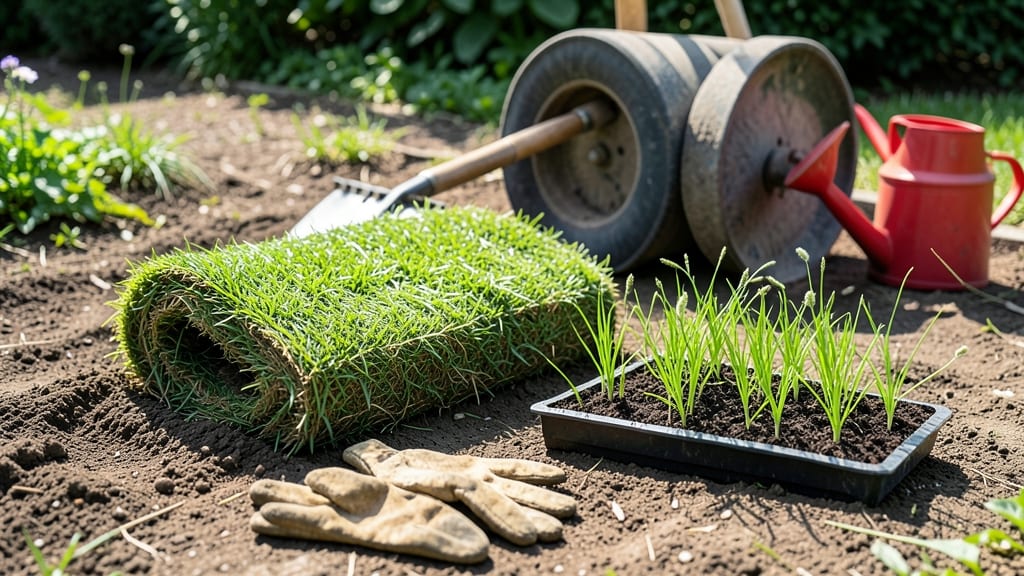
Planting Bermuda grass 🌱 in Mississippi isn’t just about picking a month—it’s about nailing the perfect temperature window to outsmart frost, drought, and heat stress before your lawn even takes root.
Mississippi’s 8a-9a climate zones mean your neighbors in Tupelo might have a 2-week advantage over Biloxi gardeners, thanks to microclimates that shift frost risks and soil warmth. Get it wrong, and you’ll waste time, money, and patience on seedlings that never thrive.
But here’s the good news: with the right timing, your Bermuda grass can go from bare dirt to lush green in just 6-8 weeks.
I’ll show you exactly when to plant—down to the soil temperature thresholds (yes, your thermometer matters more than the calendar) and how to adjust for Mississippi’s unpredictable spring storms. No more guessing games: just science-backed dates that work for your region.
Ready to transform your yard? Let’s dive into the critical frost-free window and soil prep secrets that’ll make your Bermuda grass the envy of the neighborhood.
Mississippi’s ideal soil temperature thresholds for Bermuda grass germination
Bermuda grass (Cynodon dactylon) thrives in Mississippi’s heat, but it demands warm soil to germinate properly. The magic number? 65°F or higher. Planting too early in cooler soil causes slow germination, weak roots, and poor establishment—especially in Mississippi’s USDA Zones 8a-9a, where spring temperatures fluctuate wildly.
Northern Mississippi (e.g., Tupelo, Oxford) often hits this threshold late April to early May, while southern regions (e.g., Biloxi, Gulfport) may reach it as early as mid-March.
Always verify soil temps with a soil thermometer—planting too soon is the #1 mistake I see in my Mississippi gardening group.
Here’s how to test your soil temperature: Insert a thermometer 2 inches deep in the ground on a sunny day (avoid shade or wet soil). Check readings at 10 AM and 2 PM for accuracy. If temps dip below 65°F consistently, wait 7-10 days before planting.
Mississippi’s microclimates create regional differences. For example, north Mississippi’s cooler springs delay planting by 2-3 weeks compared to the Gulf Coast. Use this summary table to compare key thresholds and avoid common pitfalls:
| Factor | Northern MS (Zones 8a) | Southern MS (Zones 8b-9a) |
|---|---|---|
| Soil Temp Threshold | 65°F+ (late April) | 65°F+ (mid-March) |
| Last Frost Date | March 15-April 1 | February 15-March 1 |
| Ideal Planting Window | May 1-June 15 | April 15-May 30 |
| Germination Time | 7-14 days (warm soil) | 5-10 days (hotter soil) |
| Key Risk | Late frost damage | Heat stress if planted too early |
Pro tip: If your soil is cold but you’re eager to plant, use black plastic mulch for 2-3 weeks before planting. This warms the soil 5-10°F faster than uncovered ground. Just remove the plastic right before seeding to avoid overheating seedlings.
Once your soil hits 65°F+, Bermuda grass seeds germinate in 5-14 days, depending on moisture and sunlight. Southern Mississippi’s faster germination means you can sprig or sod as early as April, while northern areas should wait until mid-May to avoid frost surprises.
Remember: Slow germination = weak roots. If your grass struggles to establish, it’ll be more vulnerable to Mississippi’s summer heat stress and winter dieback. Always prioritize soil warmth over calendar dates!
For extra resilience, choose hybrid Bermuda varieties like Tifway 419 or TifSport, which tolerate Mississippi’s high humidity and soil variability better than standard types. These varieties also establish 20% faster in warm soil.
🌱
Mississippi’s ideal soil temperature thresholds for Bermuda grass germination
Bermuda grass thrives in warm soil, and in Mississippi, hitting the right temperature threshold is non-negotiable. The magic number? 65°F or higher—any cooler, and your seeds will languish or rot. Unlike cool-season grasses, Bermuda grass won’t germinate in chilly soil, making soil temperature your first critical checkpoint.
Mississippi’s USDA Zones 8a-9a offer a long growing season, but northern regions (like Tupelo) often lag behind southern areas (like Biloxi) in warming up. This delay forces gardeners to wait longer—sometimes until mid-May—while southern Mississippians can start as early as late April.
The key? Test your soil with a thermometer before planting.
| Factor | Mississippi North (Tupelo) | Mississippi South (Biloxi) |
|---|---|---|
| Average Last Frost | March 20 | March 5 |
| Soil Reaches 65°F | Mid-May | Late April |
| Ideal Planting Window | May 15–June 15 | April 20–May 30 |
| Risk of Late Frost | High (April) | Low (March) |
If you plant too early, your Bermuda grass seeds will sit dormant or rot in damp, cool soil. Worse, a late frost can wipe out young seedlings overnight.
I’ve seen gardeners in north Mississippi rush to plant in April only to lose their entire investment. Wait for consistency: Check soil temps for 3 consecutive days at 65°F+ before sowing.
Pro tip: Use a soil thermometer ($10 at garden centers) to monitor daily fluctuations. Bury it 2 inches deep—the depth where Bermuda grass roots will first emerge.
If temps dip below 60°F at night, delay planting by at least 7–10 days. Patience here pays off with thicker, faster germination.
Once your soil hits the sweet spot, Bermuda grass can sprout in just 7–14 days under ideal conditions. But rushing the process? That’s how you end up with patchy, slow-growing lawns. Timing is everything—and Mississippi’s microclimates demand flexibility.
For extra insurance, consider sprigging (planting plugs) instead of seeding. Sprigs establish faster and tolerate cooler soil better, giving you a 2-week head start in marginal conditions. Just be ready to water deeply every 2–3 days until roots take hold.