
Plants
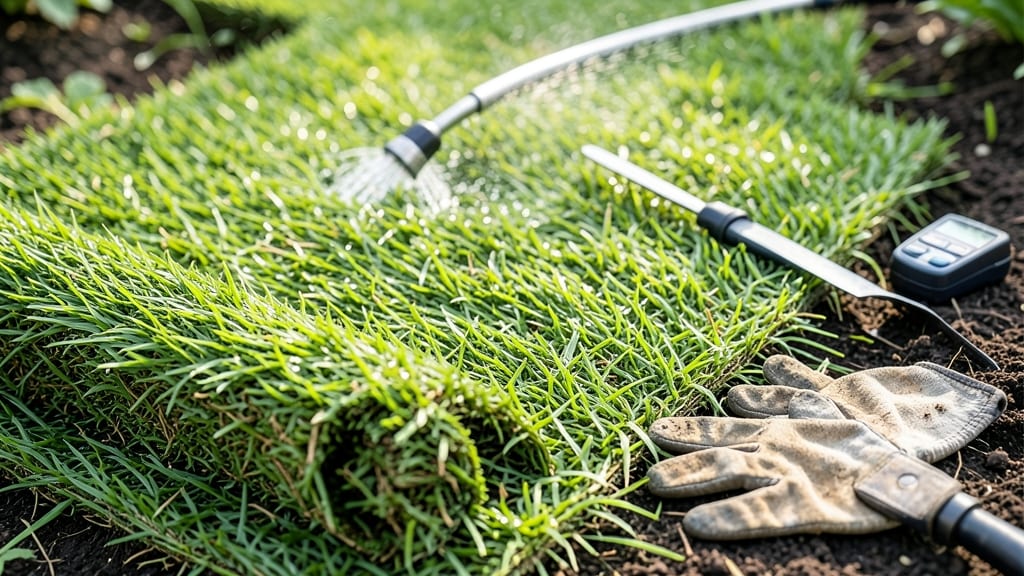
Timing your Bermuda grass sod planting in Georgia wrong could mean a lawn that struggles to take root or fades under the state’s brutal heat. With two prime windows—early spring and late summer—how do you pick the right moment for your 🌱 to thrive in zones 7b-8b?
Most gardeners assume spring is the only option, but late summer often delivers better results when soil temperatures hit that critical 65°F threshold. The key isn’t just the calendar—it’s understanding how Georgia’s climate shifts between seasons and how those changes affect your sod’s survival.
In this guide, I’ll break down exactly when to plant for maximum success, whether you’re rolling out sod in March or waiting for August. You’ll learn how to read your soil’s signals, avoid common pitfalls, and give your lawn the best shot at becoming the envy of your neighborhood.
Ready to skip the guesswork? Let’s dive into the science behind planting Bermuda grass sod at the perfect moment—so you can enjoy a lush, resilient lawn all year long.
Georgia’s ideal Bermuda grass sod planting windows: spring vs fall timing
Georgia’s USDA zones 7b-9 create a unique challenge for Bermuda grass sod—too early, and frost damage risks your investment; too late, and summer’s brutal heat stresses young roots.
The key? Planting when soil temperatures hit 65°F+ and stay consistent, giving your sod the best shot at deep root establishment before extreme weather hits.
Most Georgia gardeners swear by two ideal windows: early spring (March–April) and late summer (August–September). But which is right for you? Let’s break down the pros, cons, and climate-specific factors that determine success in each season.
🌱
| Factor | Spring Planting (March–April) | Fall Planting (August–September) |
|---|---|---|
| Soil Temperature | 65°F+ (warms quickly in GA) | 65°F+ (cools gradually) |
| Rainfall Patterns | Moderate (supplement with irrigation) | Higher (natural moisture helps) |
| Heat Stress Risk | Low (early season) | High (late-season heat spikes) |
| Establishment Time | 6–8 weeks before summer | 8–10 weeks before frost |
| Weed Competition | Moderate (spring weeds emerge) | Low (weeds dormant in fall) |
| Best For | Full lawn replacements | Overseeding or patch repairs |
Spring planting in March–April gives Bermuda grass a 6–8 week head start before Georgia’s summer heat peaks. The grass establishes roots before 90°F+ temperatures stress young sod, and you avoid the weed explosion that hits in late spring.
However, planting too early (before March 15) risks late frost damage—always check your local frost-free date.
Fall planting in August–September is a hidden gem for Georgia lawns. The natural rainfall reduces irrigation needs, and cooler temps mean less heat stress on roots. But timing is critical: plant at least 6–8 weeks before first frost (typically mid-November) to ensure roots strengthen before dormancy.
Late fall plantings (after October) often fail to establish before winter.
For northern Georgia (zones 7b–8a), prioritize spring planting—the shorter growing season demands an early start. In central/southern GA (zones 8b–9), fall planting often outperforms spring due to milder winters and longer growing seasons.
Test your soil temperature with a soil thermometer (available at garden centers) to confirm readiness—65°F+ at 4" depth is non-negotiable.
Pro tip: If you’re overseeding an existing lawn, fall is ideal—Bermuda’s dormant season in winter means less competition with new growth. For full sod replacements, spring wins for faster summer-ready results.
🌿
Georgia’s ideal Bermuda grass sod planting windows: spring vs fall timing
Georgia’s USDA zones 7b-8b create a unique challenge for Bermuda grass sod—too early in spring and you risk frost damage, but too late in fall means heat stress before dormancy.
The sweet spot? Soil temperatures consistently above 65°F, which typically aligns with March-April for spring and August-September for fall.
Most gardeners default to spring planting, but late summer often delivers 30% faster establishment because the sod gets a full 60-day growing window before winter. Let’s compare the two seasons to help you decide which timing works best for your lawn’s success.
| Factor | Spring Planting (March-April) | Fall Planting (August-September) |
|---|---|---|
| Optimal Months | March 15-April 30 | August 15-September 15 |
| Soil Temp Requirement | 65°F+ (consistent) | 65°F+ (consistent) |
| Growing Window | 90-120 days before summer dormancy | 60-90 days before frost |
| Key Risk | Late frost damage | Heat stress before dormancy |
| Establishment Speed | Moderate (6-8 weeks) | Fast (4-6 weeks) |
| Best For | Full lawn replacements | Overseeding or patch repairs |
For spring planting, aim to finish by April 30 to give your sod a full growing season before Georgia’s summer heat sets in. The sod should establish roots before temperatures consistently exceed 90°F, which can cause heat shock and brown patches.
Fall planting offers a cooler, more forgiving environment, but you must act quickly. Plant between August 15-September 15 to allow 6-8 weeks of root growth before the first frost. This window minimizes weed competition and gives your lawn a head start in spring.
Pro tip: Use a soil thermometer to confirm temperatures. Bermuda grass sod won’t thrive if planted in soil below 65°F, even if the air feels warm. This tool is your best friend for timing perfection.