
Plants
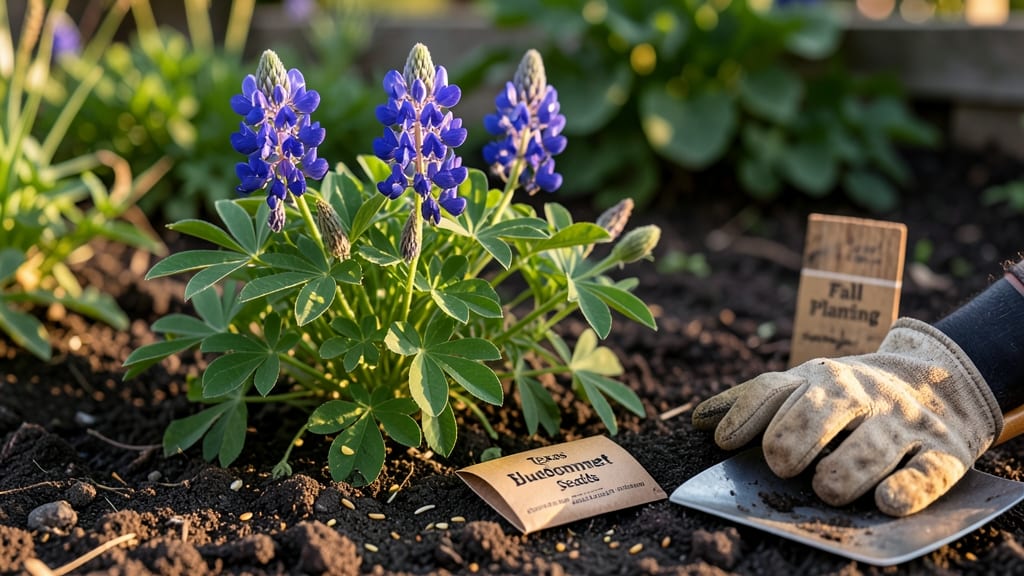
If you’ve ever dreamed of waking up to a sea of bluebonnets 🌸 blanketing Austin’s hillsides, the secret starts with planting bluebonnet seeds in Austin at the right time—not spring. Planting at the wrong time means waiting years for those vibrant blooms, or worse, never seeing them at all.
The 6-week window between late September and November is your golden opportunity, when cool soil and winter rains team up to give seeds the perfect start.
Here’s the thing: Austin’s 8a-9a climate plays tricks if you’re not careful. Plant too early, and seeds may sprout before winter’s first frost (December 15), only to die back. Too late, and they won’t establish roots before spring’s heat arrives.
The key? Time it right so seeds germinate just as winter sets in—giving them a head start before the real magic unfolds in March.
I’ve learned the hard way that bluebonnets aren’t fussy, but they are particular about timing and conditions. Skip the guesswork and you’ll skip the disappointment.
In this guide, I’ll walk you through the exact fall planting window, soil prep tricks, and watering hacks tailored for Austin’s semi-arid soil—so you can join the thousands of locals who transform their yards into springtime masterpieces.
Ready to turn your patch of land into a bluebonnet paradise? Let’s dive into the steps that’ll have your seeds thriving by next spring—no waiting, no wondering, just pure blue beauty.
Optimal bluebonnet planting window in Austin’s fall climate
Austin’s bluebonnets (Lupinus texensis) thrive when planted in fall, but timing is everything. The ideal window spans 6-8 weeks—from late September to mid-November—to ensure seeds germinate before winter dormancy.
This aligns with Austin’s USDA Zone 8a-9a, where soil temperatures drop below 60°F by December, slowing growth.
Bluebonnets need consistent moisture to sprout, so aim for October planting when Austin’s average rainfall peaks. The first frost typically arrives around December 15, so seeds should establish roots 4-6 weeks before cold snaps.
Planting too early (August) risks premature germination from summer heat, while late November sowings may not root deeply enough for spring blooms.
Here’s what to watch for: soil temperature (ideal: 55-65°F), rainfall patterns, and daylength. Shorter days in fall trigger dormancy, so seeds must germinate before November 15 for best results. Austin’s semi-arid climate means supplemental watering may be needed if rain is scarce.
| Planting Stage | Ideal Timeframe | Soil Temp (°F) | Rainfall Needs | Austin Climate Notes |
|---|---|---|---|---|
| Seed Germination | Late Sept–Oct | 55–65°F | 1–1.5 inches/week | Peak rainfall; avoid drought stress |
| Root Establishment | Oct–Nov | 50–60°F | 0.75–1 inch/week | First frost risk after Nov 15 |
| Winter Dormancy | Dec–Feb | Below 50°F | Minimal (dormant) | Mulch to retain moisture |
| Spring Growth | March–May | 60–80°F | 0.5–1 inch/week | Blooms with sufficient sun |
Pro tip: Use Austin’s 10-day forecast to plan planting. If heavy rains are predicted, delay sowing to avoid soil erosion. Conversely, if drought conditions loom, pre-water the soil to 12 inches deep before scattering seeds. Bluebonnets are drought-tolerant once established, but young seedlings need consistent moisture.
For maximum blooms, prioritize October planting—this gives seeds 8–10 weeks to germinate before winter. If you miss fall, spring planting (February) is possible but yields fewer flowers due to shorter growing season.
Austin’s alkaline soil (pH 7.5–8.5) is perfect for bluebonnets, so no amendments are needed unless your soil is heavily compacted.
Local tip: Check the Texas A&M AgriLife Extension for Austin-specific frost dates. Their Frost Freeze Forecast updates monthly and helps refine your planting schedule. For example, if the forecast predicts an early December frost, plant by November 1 to ensure germination before cold snaps.
Bluebonnets are self-seeding, meaning they’ll return yearly if left undisturbed. However, first-year blooms are the most abundant, so precise fall planting is key. Aim for 1,000–2,000 seeds per 100 sqft to create a dense carpet of blue by spring.
Scatter seeds lightly—they don’t need covering—and pat them into the soil with your hand.
Remember: Austin’s microclimates vary. Areas near Lake Travis stay warmer longer, while north Austin cools faster. Adjust your planting 1–2 weeks earlier in cooler zones. Always test soil moisture 1 inch deep before watering—bluebonnets hate soggy soil.
With the right timing, your Austin garden will explode with blue by March. The secret? Plant in October, water deep
Optimal bluebonnet planting window in Austin’s fall climate
Timing is everything when planting bluebonnet seeds in Austin. The ideal window spans late September through November, aligning with Austin’s USDA Zone 8a-9a climate. This period ensures seeds germinate before winter dormancy and thrive in spring. Miss this window, and you risk weak growth or no blooms at all.
Bluebonnets need soil temperatures between 60°F and 70°F to germinate. In Austin, soil cools to these levels by mid-October, making late September the earliest safe start. Planting too early (August) can trigger germination before the first frost, while sowing after November risks seeds not establishing roots before winter.
Here’s how Austin’s climate factors into your timing:
| Timeframe | Soil Temp | Rainfall | Action |
|---|---|---|---|
| Late September | 65°F-75°F | Moderate | Start sowing; seeds need light |
| October | 60°F-70°F | Variable | Peak planting; monitor moisture |
| November | 55°F-65°F | Low | Final sowing; protect from frost |
Austin’s first frost typically arrives around December 15, so aim to finish planting by early November. Seeds need 6-8 weeks to establish roots before winter dormancy. If you’re unsure about frost dates, check the National Weather Service for your specific Austin microclimate.
Pro tip: Use mulch after planting to retain moisture and insulate seeds from temperature swings. A thin layer of straw or leaves works perfectly for Austin’s semi-arid conditions. This simple step can double your germination rates.
Don’t let rain or drought stress fool you—bluebonnets are tough, but they need consistent moisture to sprout. Water lightly after planting, then let nature take over. Overwatering is a common mistake that leads to rot.
Ready to plant? Mark your calendar for October 15 as the sweet spot—this gives seeds time to germinate before winter and bloom by spring. 🌸