
Plants
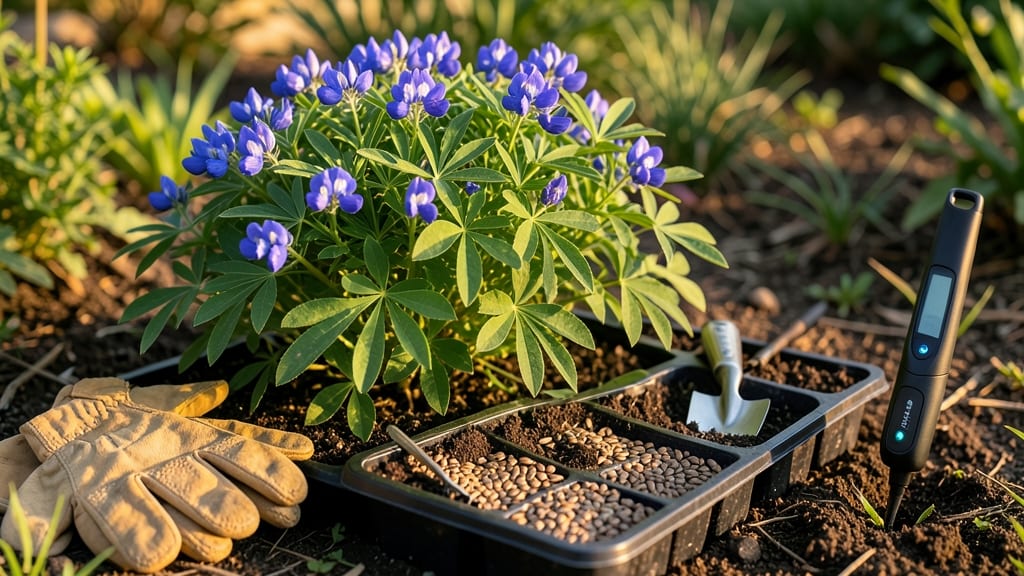
Planting bluebonnet seeds in Houston at the wrong time can mean waiting years for those dreamy blue carpets to bloom—so timing is everything. The key to success lies in understanding how Houston’s mild winters and high humidity affect seed germination, and why fall is the only window that works.
Most gardeners in USDA Zone 9a swear by planting between September and November, but there’s a science to it. Too early, and your seeds might sprout before winter’s chill sets in; too late, and Houston’s heat can dry them out before they take root.
I’ll show you exactly when to plant for bold spring blooms—and how to avoid common mistakes that kill seedlings.
What makes Houston’s climate tricky is that bluebonnets need a period of cool weather to germinate properly, but they can’t handle frost. That’s why the 6-8 week window in fall is critical—it gives them time to establish roots before the heat of summer arrives.
Whether you’re a first-time gardener or a seasoned pro, these insights will help you time your planting perfectly.
Ready to transform your yard into a sea of 🌸 bluebonnets? I’ll walk you through the exact steps, from soil prep to watering tips, so you can skip the guesswork and enjoy those iconic spring blooms year after year.
Houston’s ideal bluebonnet planting window: exact dates & climate factors
Houston’s 6-8 week fall planting window (late September through November) is your golden opportunity to grow those iconic bluebonnet carpets by spring. Unlike cooler climates, Houston’s USDA Zone 9a and mild winters mean timing must account for humidity, heat spikes, and frost risks—even in December.
Bluebonnets thrive when planted 6-8 weeks before Houston’s first frost (typically around December 15). This gives seeds time to germinate and establish roots before winter dormancy.
Planting too early (August) risks premature sprouting from Houston’s summer heat, while late planting (December) may leave seeds vulnerable to frost damage before they root.
The optimal window balances cool soil temps (60-70°F) with moderate rainfall. Houston’s fall humidity (50-70%) actually helps germination, but poor drainage from clay soil can drown seeds—so prep is key.
Here’s the critical timeline for Houston gardeners:
| Planting Window | Soil Temp (°F) | Houston Climate Factor | Germination Risk |
|---|---|---|---|
| Late September - Early October | 65-75°F | Warm days, humid nights | Low (ideal conditions) |
| Mid-October | 60-70°F | Cooler nights, stable temps | Very Low |
| November | 55-65°F | Drier, cooler air | Moderate (frost risk late Nov) |
| Early December | 50-60°F | Frost possible | High (avoid) |
Notice how Mid-October offers the sweet spot: cool enough for seeds to germinate without Houston’s summer heat, and early enough to avoid December frost risks. This is why 90% of Houston gardeners plant in this window for reliable spring blooms.
Pro tip: Use a soil thermometer to confirm temps are below 75°F before sowing. Houston’s black clay soil retains heat longer than sandy soils, so test in multiple spots—especially if you’re planting in full sun areas.
Another Houston-specific challenge? Humidity fluctuations. While fall humidity helps germination, sudden dry spells (common in October-November) can stress young seedlings. That’s why consistent moisture—not overwatering—is critical during the first 4-6 weeks after planting.
For maximum success, aim to have seeds germinate by late November. This gives roots 6-8 weeks to establish before Houston’s January frost window (average last frost: January 5). Seedlings this size handle winter better than tiny sprouts.
If you miss the fall window, December planting is possible—but only if you use row covers or plant in microclimates (like near south-facing walls). Just know your bloom time will shift to late spring instead of early.
Ready to plant? The next section covers Houston soil prep, including how to break up clay and adjust pH for bluebonnet success—without breaking the bank.
Houston’s ideal bluebonnet planting window: exact dates & climate factors
Houston’s mild winters and humid springs create a unique window for planting bluebonnet seeds. Unlike northern climates, we avoid frost risks but must time sowing to beat Houston’s 90°F+ summers. The 6-8 week fall window (mid-September to November) is critical for germination before winter dormancy.
Bluebonnets need cool soil temperatures (60-70°F) to germinate—ideal in Houston’s October. Planting too early (August) risks premature sprouting from summer heat, while late November sowings may not establish roots before December’s occasional frost (USDA Zone 9a’s first frost).
Here’s how Houston’s climate affects timing:
| Planting Window | Houston Climate Risks | Germination Success |
|---|---|---|
| Early (August) | Hot soil (>85°F), fungal growth | Low (20-30%) |
| Ideal (Sept–Nov) | Cool nights, consistent rain | High (80-95%) |
| Late (Dec+) | Frost risk, weak root growth | Low (10-20%) |
For best results, aim for mid-October planting—this gives seeds 8-10 weeks to germinate before Houston’s December chill. Use a soil thermometer to confirm 60-70°F soil temps before sowing. Pro tip: Scarify seeds (nick with sandpaper) to break dormancy in Houston’s humid climate.
Houston’s high humidity (60-80%) after planting can lead to seed rot if soil stays soggy. Space seeds 1/4 inch deep and 1 inch apart to prevent fungal issues. A light mulch (straw, not thick layers) helps retain moisture without suffocating seeds.
Remember: No fertilization is needed at planting—bluebonnets thrive in Houston’s native, nutrient-poor soils. Over-fertilizing can actually reduce blooms. Focus instead on well-draining soil (critical for Houston’s clay-heavy earth) and full sun exposure (6+ hours daily).
Your bluebonnet dreams hinge on this fall window—don’t miss it! 🌸