
Plants
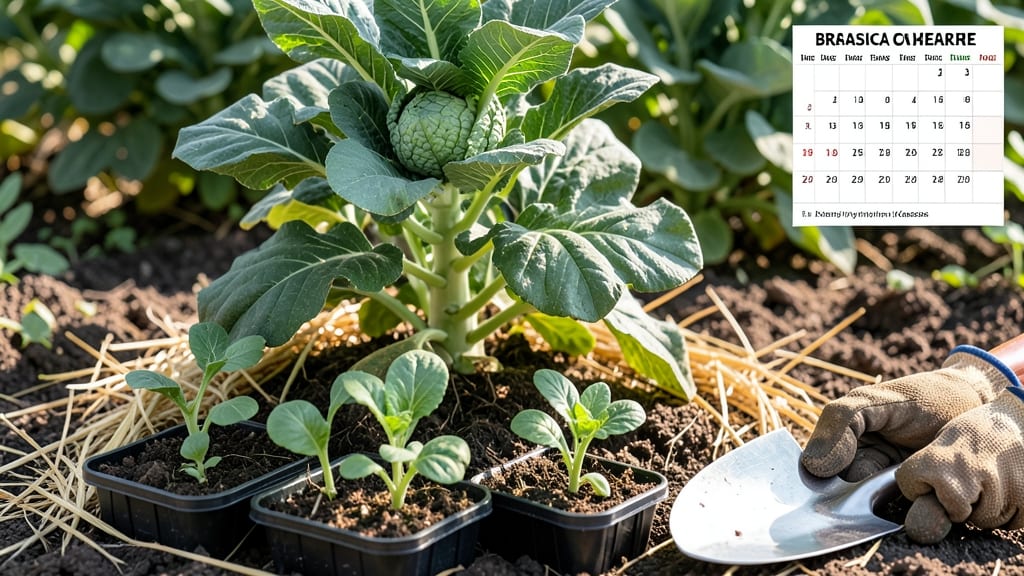
If you’ve ever watched your Brussel sprouts 🥦 bolt into bitter, flower-filled stalks instead of crisp harvests, you’re not alone—Kansas gardeners know when to plant brussel sprouts in Kansas is everything.
The difference between a thriving fall crop and a wasted spring experiment often comes down to planting just 2-3 weeks too early or too late.
Here’s the secret: Kansas’ USDA zones 5b-7a give you a narrow but powerful window—mid-April to early June for spring and late July to early August for fall—to grow sprouts that mature before frost.
Miss this, and you risk bolting or stunted growth. Let’s break down the exact frost-free schedule that works for your backyard.
Why does this matter? Because Brussel sprouts need 80-120 cool days to develop, and Kansas’ heat can derail them fast. I’ll show you how to align your planting with local frost dates, whether you’re in Wichita, Kansas City, or Topeka, so you can enjoy harvests from October through December.
Ready to stop guessing and start growing? You’ll learn the step-by-step planting calendar, soil prep tricks, and even how to extend your season with row covers—all tailored to Kansas’ unpredictable climate. Let’s get those sprouts thriving.
Kansas frost dates for Brussel sprouts: avoid bolting with these timing rules
Kansas gardeners know timing is everything—especially for Brussel sprouts, which bolt (go to seed) when exposed to warm spring temperatures too early. The key is planting when soil temps stay below 60°F and nights remain cool.
In Kansas’ USDA Zones 5b-7a, this means two distinct windows: spring (April-May) and fall (July-August). Missing these windows risks bitter sprouts or wasted effort.
Bolting isn’t just about heat—it’s also tied to day length. Long summer days trick Brussel sprouts into flowering early. That’s why fall planting is safer: shorter days and cooler temps keep plants focused on sprout production instead of bolting.
Let’s break down the exact frost-free windows for your Kansas city, so you can plant with confidence and avoid common mistakes.
📅 Kansas Frost Dates by Zone (Critical for Brussel Sprouts)
| USDA Zone | Avg. Last Frost | Avg. First Frost | Spring Planting Window | Fall Planting Window |
|---|---|---|---|---|
| 5b (Topeka, Hays) | April 15 | October 20 | Mid-April to May 15 | July 20 to August 10 |
| 6a (Wichita, Salina) | April 1 | October 10 | Late March to April 30 | July 10 to August 5 |
| 7a (Kansas City, St. Joseph) | March 25 | October 5 | Early April to May 10 | July 5 to July 30 |
*Dates based on 30-year averages; check Kansas State University for updates.
Notice how the fall window shrinks as you move south in Kansas? That’s because warmer zones like USDA 7a have shorter cool seasons. If you’re in Kansas City, aim for July 5–30—any later, and your sprouts may mature too close to frost.
Meanwhile, Topeka gardeners get a longer fall window (July 20–August 10) thanks to cooler temps.
Pro tip: Use a soil thermometer to confirm temps are below 60°F before planting. Warm soil accelerates growth and increases bolting risk. I’ve seen Brussel sprouts bolt in Wichita when planted in early April—even though the air felt cool. Always check the ground, not the thermometer!
Now, let’s talk city-specific adjustments. In Wichita (Zone 6a), I recommend starting seeds indoors in late March for transplants by April 15. This gives them a head start before soil warms.
Meanwhile, Topeka’s cooler climate (Zone 5b) allows direct sowing as early as April 1, but only if you’re prepared to use row covers for extra frost protection.
For fall planting, the rule is: plant 8–10 weeks before your first frost. In Kansas City, that’s July 5 (10 weeks before October 5). Miss this window, and your harvest could get hit by early frost.
I once planted Brussel sprouts in early August in Kansas City—they matured just as the first frost hit, leaving me with half-formed sprouts and disappointment.
One more critical factor: day length. Brussel sprouts need short days (less than 14 hours) to focus on sprouts, not flowers. That’s why fall planting works better than spring in Kansas.
In spring, days lengthen quickly, triggering bolting. In fall, shortening days keep plants in vegetative growth mode longer.
If you’re tempted to plant Brussel sprouts in spring, choose early-maturing varieties like 'Long Island Improved' (80–90 days) and plant as late as May 15 in Zone 5b. For fall, opt for 'Ruby' (90–100 days) and plant by August 1
Step-by-step planting schedule: from seed to harvest in Kansas
Timing is everything when planting Brussel sprouts in Kansas. To avoid bolting and maximize your harvest, follow this step-by-step schedule tailored to Kansas’ USDA zones 5b-7a. Whether you’re direct sowing or transplanting, these steps ensure your sprouts thrive.
Start with soil temperature checks—Brussel sprouts need soil at 45°F or warmer to germinate. In Kansas, this typically aligns with mid-April to early June for spring planting and late July to early August for fall. Use a soil thermometer to confirm readiness.
- Mid-April to early May: Sow seeds ½ inch deep, 18 inches apart in rows 24 inches apart. Use black plastic mulch to warm soil faster.
- Late May to early June: Thin seedlings to 12-18 inches apart once they reach 2 inches tall. Keep soil moist during thinning.
- July-August: Expect 80-90 day harvest. Harvest from bottom to top as sprouts mature.
For transplanting seedlings, buy 6-week-old plants from nurseries. Plant them 4-6 weeks before your last frost date—typically late April to early May in Kansas. Space them 18-24 inches apart in well-draining, compost-rich soil with a pH of 6.0-7.0.
Fall planting is equally critical. Sow seeds 8-10 weeks before the first frost (usually late July to early August). This ensures your sprouts mature before winter. Use row covers in early fall to extend the season and protect from light frosts.
Companion planting boosts yields in Kansas. Pair Brussel sprouts with bush beans, celery, or onions to deter pests like cabbage moths. Avoid planting near tomatoes or strawberries, as they compete for nutrients and attract similar pests.
Monitor your plants closely. If soil temperatures rise above 80°F (common in Kansas summers), provide shade cloth to prevent bolting. Water deeply at the base of plants in the morning to keep foliage dry and reduce fungal risks.
With this schedule, you’ll harvest crisp, flavorful sprouts from October to December, even in Kansas’ cooler climate. Happy gardening!