
Plants
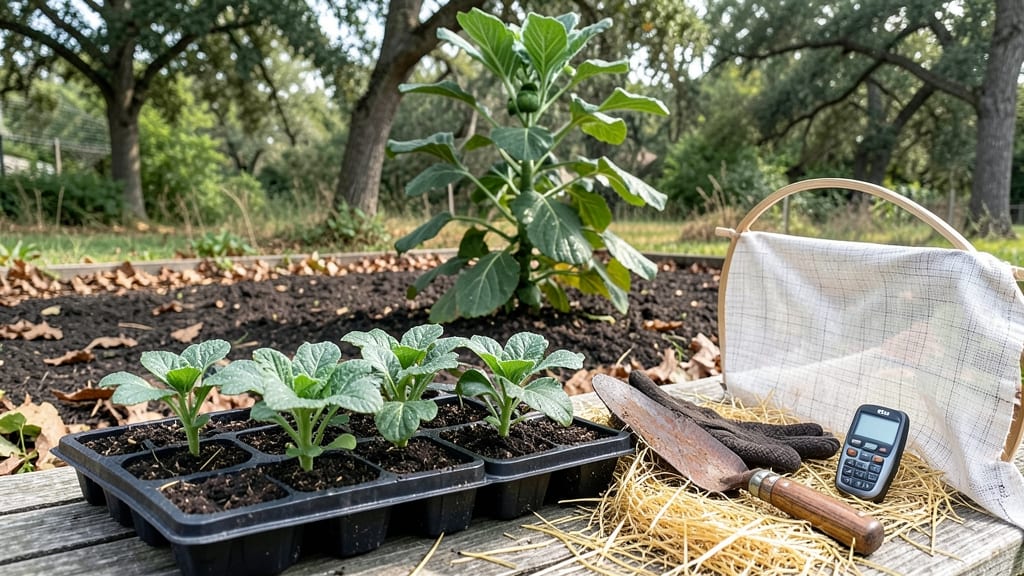
Timing when to plant Brussels sprouts in Louisiana isn't just about following a calendar—it's about outsmarting the heat and humidity that can turn your garden dreams into a bolting disaster.
With average first frosts hitting around December 1, most gardeners miss the boat by planting too late in summer, only to watch their plants wilt before they even form sprouts.
Here's the secret: the 8-10 week rule before frost works, but Louisiana's climate demands a twist. Planting in late August to early September gives your 🥦 enough time to mature before cold weather sets in, while avoiding the brutal summer heat that stresses young seedlings.
This window also lets you take advantage of Louisiana's cooler fall temperatures, which actually improve flavor and yield.
Don't let the idea of summer planting scare you off—with the right heat-tolerant varieties and a few smart tricks, you can beat the odds.
I'll show you exactly which varieties thrive in our 8a-9b zones, how to time your sowing for maximum success, and when to pull out all the stops to protect your crop from Louisiana's unpredictable weather patterns.
Whether you're a first-time gardener or a seasoned green thumb, these insights will help you grow sweeter, more abundant Brussels sprouts than you ever thought possible in our challenging climate. Let's get those seeds in the ground at the perfect moment—before it's too late!
Best planting windows for brussel sprouts in Louisiana’s climate zones
Brussel sprouts thrive in cooler weather, but Louisiana’s hot, humid summers make traditional planting schedules a recipe for failure. Unlike northern climates, where you plant in early summer, Louisiana gardeners must focus on fall and early spring to avoid heat stress and bolting.
The key is timing your plantings to align with temperature drops and frost windows—typically late August to early September for fall crops and February to early March for spring.
Louisiana spans USDA Zones 8a-9b, meaning frost dates vary slightly by region. In northern Louisiana (Zone 8a), the average first frost hits around December 1, while southern Louisiana (Zone 9a) may see frost as late as December 15.
Planting too early in summer means heat stress and bolting, while planting too late risks incomplete maturity before frost. The solution? Staggered plantings with heat-tolerant varieties to maximize yields.
Here’s the critical planting window breakdown for Louisiana’s climate zones, including temperature thresholds and frost risk considerations to help you avoid common mistakes.
| Planting Window | Zone 8a (North LA) | Zone 9a (South LA) | Key Considerations |
|---|---|---|---|
| Fall Planting (Primary) | Late August - Early September | Late August - Mid-September | Plant 8-10 weeks before first frost. Soil temps should be 70°F or below. |
| Spring Planting (Secondary) | February - Early March | February - Mid-March | Avoid planting after March 15—heat stress risks bolting. |
| Temperature Thresholds | 70°F max for seedling growth | 70°F max for seedling growth | Use shade cloth if temps exceed 80°F during establishment. |
| Frost Risk | First frost: December 1 | First frost: December 15 | Harvest before 28°F—use row covers for late-season protection. |
| Maturity Timeline | 90-120 days to harvest | 90-120 days to harvest | Stagger plantings every 2 weeks for extended harvest. |
Why do these windows work? Traditional northern schedules fail in Louisiana because summer heat (90°F+) causes brussel sprouts to bolt prematurely or develop bitter, tough sprouts.
Instead, focus on cool-season growth: Plant in late summer when soil temperatures drop below 70°F, and spring plantings must finish before April’s heat sets in. For Zone 9a gardeners, you have a slightly longer window to plant in mid-September, but still aim to harvest before frost.
Pro tip: Start seeds indoors 4-6 weeks before your target outdoor planting date. Use seedling trays under grow lights to avoid direct heat exposure. Transplant outdoors when seedlings are 4-6 inches tall and nighttime temps stay below 75°F.
This head start gives your plants a critical advantage in Louisiana’s short cool season.
Another challenge in Louisiana is humidity and fungal diseases. To mitigate this, space plants 18-24 inches apart for airflow and mulch with straw to keep foliage dry. Avoid overhead watering—drip irrigation is your best friend here.
If you notice yellowing leaves or powdery mildew, prune affected areas immediately and consider a copper fungicide spray for prevention.
For northern Louisiana (Zone 8a), where frosts arrive earlier, prioritize fall plantings and use row covers in late October to extend the season. In southern Louisiana (Zone 9a), you can push the envelope with late-September plantings, but monitor weather forecasts closely.
If an early frost is predicted, harvest lower sprouts first and use black plastic mulch to insulate the soil for a few extra weeks of growth.
One common mistake I see is planting too late in spring. If you miss the February-March window, your plants will struggle with heat stress by April. Instead, treat spring plantings as a secondary crop—focus on fall first.
If you’re determined to try spring, choose early-maturing varieties (like 'Long Island Improved') and harden off seedlings gradually to avoid transplant shock in warming soils.
Finally, soil preparation is non-negotiable.
Best planting windows for brussel sprouts in Louisiana’s climate zones
Louisiana’s 8a-9b climate zones create unique challenges for growing Brussels sprouts, where summer heat can kill seedlings and humidity invites fungal diseases. The key to success lies in planting during two distinct windows: late summer for a fall harvest and early spring for a late-season crop.
Traditional northern planting schedules won’t work here—we need a Southern twist.
For most of Louisiana, the optimal planting window is between late August and early September. This timing gives your plants 8-10 weeks to mature before the first frost (typically around December 1).
Planting earlier risks exposing seedlings to 90°F+ temperatures, while planting later may not give them enough time to develop before cold weather arrives.
| Planting Window | Zone 8a (North LA) | Zone 9a (Central/South LA) | Key Considerations |
|---|---|---|---|
| Fall Planting | Late August - Early September | Late August - Mid-September | Avoid summer heat; cooler temps improve flavor |
| Spring Planting | February - Early March | February - Late March | Risk of early bolting; use shade cloth |
| Harvest Window | November - December | November - January | Zone 9a can extend harvest into winter |
If you’re in Zone 9a (like New Orleans or Baton Rouge), you can push your fall planting slightly later—up to mid-September—thanks to milder winters. However, even these areas should avoid planting after September 15, as day lengths shorten and plants may struggle to mature before cold snaps.
For spring plantings, February is critical—planting too early risks heat stress on seedlings, while waiting until March may mean bolting before harvest.
One common mistake Louisiana gardeners make is trying to grow Brussels sprouts as a summer crop. Never plant in June or July—the combination of heat and humidity will cause seedlings to bolt or rot.
Instead, focus on these two strategic windows and use heat-tolerant varieties (like 'Long Island Improved') to maximize your chances of success. With the right timing, you’ll avoid the pitfalls that plague so many Southern gardeners.
For those in Zone 8a (northern Louisiana), pay extra attention to frost dates, which can arrive earlier and more unpredictably. Use a row cover in late fall to extend your harvest window if temperatures dip below 25°F.
In warmer Zone 9a areas, you might even get a second harvest in early spring if you plant in late summer and protect young plants with shade cloth during heatwaves.
Remember, the goal is to give your Brussels sprouts cool weather for maturation—not summer heat. By aligning your planting with Louisiana’s two best windows, you’ll set yourself up for a bountiful harvest of sweet, flavorful sprouts that rival anything you’d find in cooler climates.
The secret isn’t fighting the heat—it’s working with it by timing your plantings just right.