
Plants
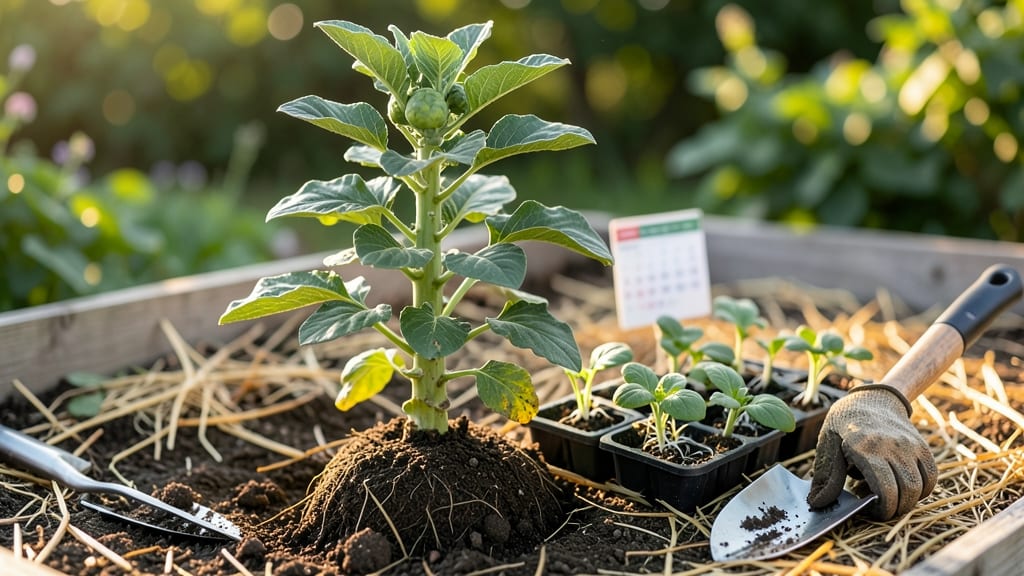
Knowing when to plant brussel sprouts in Zone 7 is the difference between a garden full of crisp, sweet 🥦 and one that struggles with bitter, stunted plants.
These cool-weather lovers demand precision—plant too early, and they bolt in the heat; too late, and frost ruins your harvest before you even taste them.
Here's the secret: Zone 7 gardeners get two chances—early spring and early fall—but timing matters more than most realize. I've grown them for years in this climate, and I'll show you exactly how to align your planting with your local frost dates for maximum success.
We're talking about 8-10 weeks before your first frost for fall crops, or 4-6 weeks before ground freezes in spring. The key? Soil temperature must stay below 75°F—any hotter, and your sprouts turn bitter faster than you can say "harvest failure."
Ready to master this? Let me walk you through the exact windows, soil prep tricks, and spacing secrets that'll have you harvesting plump, flavorful 🥦 from October through December—no guesswork required.

Optimal planting windows for brussel sprouts in Zone 7
Brussel sprouts are cool-season vegetables that despise summer heat, so timing your Zone 7 plantings correctly is key to avoiding bitter sprouts or poor yields. The best windows are early spring (March-April) and late summer/early fall (August-September), when temperatures stay between 50°F and 75°F during the day.
In Zone 7, your last average frost date is typically around April 15, while the first frost usually arrives by November 15. These dates create a 180-day frost-free season—perfect for Brussels' 90-day maturity.
Planting too early risks heat stress, while late plantings may not mature before cold sets in.
Here’s how to calculate your exact planting dates: Subtract 90 days from your first frost date (Nov 15) for fall plantings, which lands you in early August. For spring, plant 4-6 weeks before your last frost (around March 15) to avoid early heat waves.
| Planting Window | Zone 7 Timing | Soil Temp Requirement | Key Consideration |
|---|---|---|---|
| Early Spring | March 15 - April 15 | 45°F - 55°F | Avoid heat stress by harvesting before summer |
| Late Summer/Early Fall | August 1 - September 15 | 50°F - 65°F | Ensure 90 days to maturity before frost |
For Zone 7 microclimates, adjust timing based on elevation or urban heat islands. Higher elevations (like Appalachian foothills) may have earlier frosts, while cities like Atlanta or Raleigh can stay warmer longer. Check local Cooperative Extension Service data for precise frost dates.
Pro tip: Use shade cloth (30-50%) during summer heat waves to protect young plants. This buys you 2-3 extra weeks of viable growth before bolting. I’ve extended my fall harvest by 10 days using lightweight shade fabric over seedlings in 90°F+ weather.
Seedlings need well-draining soil with a pH of 6.0-7.0. Amend your garden beds with compost or aged manure 2-3 weeks before planting to ensure nutrients are available when sprouts form. Avoid fresh manure, which can burn tender roots.
When planting, space seedlings 18-24 inches apart in rows 30 inches apart. This gives them room to grow their 2-3 foot stalks without competing. Overcrowding leads to smaller, bitter sprouts and increased disease risk.
After planting, mulch with straw or shredded leaves to retain moisture and regulate soil temperature. This is especially critical in Zone 7’s hot summers, where soil can dry out quickly. Water deeply once a week during establishment, aiming for 1-2 inches of moisture.
Remember: The first 30 days after planting are critical. Young Brussels are heat-sensitive, so avoid planting when daytime temps exceed 80°F. If you miss the ideal window, consider container growing with shade cloth for a late-season harvest.
Optimal planting windows for brussel sprouts in Zone 7
Zone 7 gardeners have two prime opportunities to grow brussel sprouts: early spring and early fall. The key is planting when soil temperatures stay below 75°F, which prevents bitter flavors and bolting. For most of Zone 7, this means targeting March-April for spring and August-September for fall.
Your exact planting dates depend on your last frost date. In Zone 7, this typically falls around April 15. For fall crops, aim to plant 8-10 weeks before your first frost (usually November 15), giving you a harvest window from October through December.
Spring plantings should happen 4-6 weeks before ground freezes—usually by late March.
Here's my foolproof method: Check your local USDA frost chart, then count backward. For fall, subtract 70 days from your first frost date. For spring, subtract 30 days. This ensures your plants mature before cold sets in.
| Planting Window | Soil Temp | Days to Maturity | Zone 7 Dates |
|---|---|---|---|
| Early Spring | 45-55°F | 90-120 days | Late March - Early April |
| Early Fall | 55-65°F | 80-100 days | Mid-August - Early September |
Pro tip: Use shade cloth if summer temperatures creep above 80°F during your fall planting window. I've seen plants bolt in 3 days when soil hits 85°F—not worth the risk!
For microclimate adjustments, note that higher elevations in Zone 7 (like the Appalachians) can have 2-3 weeks earlier frost dates than coastal areas. Always err on the side of earlier planting—you can always thin seedlings, but you can't replant if frost hits prematurely.
Remember: Brussel sprouts need 6+ hours of sun daily, so choose a spot with full sun exposure. In Zone 7's hot summers, afternoon shade helps prevent heat stress during early fall plantings.