
Plants
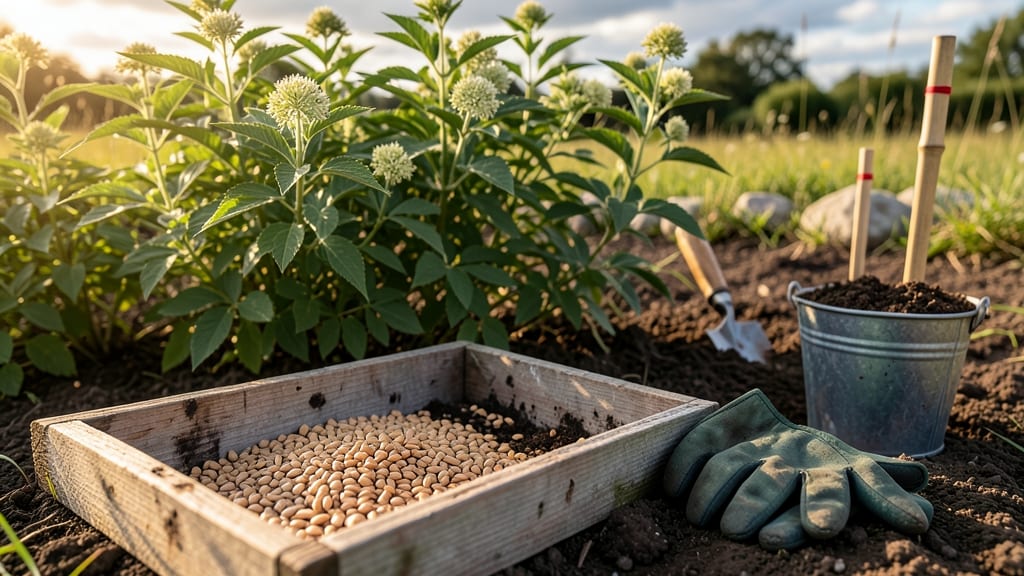
Planting buckwheat in Michigan isn’t just about throwing seeds in the dirt—it’s about catching that 60-day window between frost and harvest before your crop bolts or freezes. Get the timing wrong, and you’ll either wait too long for those golden grains or watch them wither before they’re ready.
Michigan’s 5b-6b zones give you two chances: spring or fall. But with last frosts lingering into mid-May and first frosts creeping up by October, late April to early June or August to early September are your sweet spots.
Miss them, and you’ll either plant into cold soil or risk a late-season surprise freeze.
Here’s the game-changer: soil temperature matters just as much as calendar dates. Buckwheat needs 50°F soil to sprout, so don’t rush—wait for warmth or you’ll end up with patchy, slow-growing plants.
I’ll walk you through how to check soil temps, adjust for your specific zone, and even stretch your harvest with smart succession planting.
Whether you’re growing buckwheat 🌾 for grain, greens, or pollinator-friendly blooms, nailing the timing means faster harvests and fewer headaches. Let’s break down the exact dates, soil prep, and backup plans so you can plant with confidence—and enjoy those nutty, earthy seeds before winter sets in.
Michigan buckwheat planting dates by hardiness Zone (with frost risk analysis)
Buckwheat is a fast-growing annual that thrives in Michigan’s cool summers, but its 60-day harvest window demands precision. Michigan spans USDA Zones 4b-6a, with last frost dates varying by region.
Plant too early, and frost will kill tender seedlings; too late, and you’ll miss peak harvests. Let’s break down the optimal planting windows by zone to ensure success.
Michigan’s average last frost dates range from April 29 in Zone 6a (southern Michigan) to May 15 in Zone 4b (northern Michigan). Buckwheat seeds germinate best when soil temperatures reach 50°F (10°C).
In Zone 5b (central Michigan), this typically aligns with mid-to-late May, while Zone 6a (southern Michigan) can start as early as early May.
For fall planting, aim to sow seeds 8-10 weeks before the first frost (typically mid-August to early September). Fall buckwheat benefits from cooler temperatures and avoids pests common in summer.
However, Zone 4b gardeners should plant no later than August 15 to ensure a full harvest before frost.
Here’s a zone-specific planting schedule to maximize your buckwheat yield, accounting for Michigan’s unpredictable spring weather and frost risks:
| Zone | Last Frost Date (Avg.) | Spring Planting Window | Fall Planting Window | Soil Temp Threshold | Frost Risk Level |
|---|---|---|---|---|---|
| 4b (Northern MI) | May 15 | Late May - Early June | August 1 - August 15 | 50°F (10°C) | High |
| 5b (Central MI) | May 1 | Mid-April - Late May | August 10 - September 1 | 50°F (10°C) | Moderate |
| 6a (Southern MI) | April 29 | Late April - Early June | August 15 - September 5 | 50°F (10°C) | Low |
If you’re in Zone 5b or 6a and experience an early spring frost, don’t panic. Buckwheat seeds can tolerate light frosts if planted in well-drained soil.
Use row covers to protect seedlings until soil warms. For Zone 4b gardeners, consider staggered plantings in late May to account for late frosts.
Always monitor your local frost forecast using tools like the National Weather Service or Michigan State University Extension. Buckwheat’s fast growth rate means you can often replant every 2 weeks for a continuous harvest. This strategy works especially well in Zone 6a, where the growing season is longest.
Pro tip: Plant buckwheat near companion plants like beans or peas to improve soil nitrogen. These plants thrive in Michigan’s cool, moist soils and won’t compete for nutrients. Avoid planting near potatoes or tomatoes, as buckwheat can attract pests that also target these crops.
For fall harvests, prioritize late August plantings in all zones. Buckwheat matures quickly in cooler fall temperatures, and you’ll avoid the peak pest season of July and August. Just be sure to harvest before the first hard frost, as seed heads will shatter and scatter.
🌾
Michigan buckwheat planting dates by hardiness Zone (with frost risk analysis)
Michigan’s 5b-6b zones create two distinct planting windows for buckwheat 🌾, but getting the timing wrong can mean the difference between a bountiful harvest and wasted seeds. The key is aligning your planting with soil temperature (not just calendar dates) and understanding your local frost risks.
For example, in Zone 5b, where last frosts average May 10, planting after May 15 risks stunted growth, while Zone 6b gardeners can push planting to June 1 safely.
Buckwheat’s 60-day harvest window demands precision. If you plant too early in cold soil (below 50°F), germination slows dramatically, and your crop may never mature. Conversely, planting too late leaves little time for seeds to plump before frost.
The solution? Use soil thermometers to confirm warmth—50°F+ is non-negotiable for reliable sprouting. In Michigan, this typically means waiting until late April in southern zones or early May in northern areas.
Here’s the critical data for Michigan’s zones, including frost risk percentages and backup planting dates for unpredictable springs:
| Zone | Last Frost Avg. | Spring Planting Window | Frost Risk (%) | Backup Date |
|---|---|---|---|---|
| 5b (Upper Peninsula) | May 15 | May 20–June 5 | 20% | June 10 |
| 6a (Northern Lower) | May 10 | April 25–May 20 | 15% | May 25 |
| 6b (Southern) | April 29 | April 15–June 1 | 10% | June 5 |
*Frost risk based on 30-year averages; use backup dates if soil temps remain below 50°F.
For fall planting, aim for August 1–September 1 to ensure harvest before the mid-October frost. In Zone 6b, you can push to September 10, but monitor weather forecasts—even a 28°F night can kill immature plants.
Pro tip: Use row covers if late-season warmth lingers, as buckwheat can tolerate light frosts once established.
Michigan’s clay-heavy soils also play a role. If your soil drains poorly, wait until it’s warmer and drier—buckwheat hates soggy roots. Test soil moisture by squeezing a handful: if water beads up, wait 1–2 days.
Pair this with a soil thermometer (available for $10–$15), and you’ll never guess wrong again.
Remember: buckwheat’s fast growth is its superpower, but only if conditions are right. Plant at the right time, and you’ll enjoy golden grain heads 🌾 in just 50–60 days—no waiting months like with corn or beans.
Miss the window, and you’ll be left with weedy patches or frozen seedlings. The table above gives you the exact dates, but always double-check with your local USDA Plant Hardiness Zone Map for hyper-local accuracy.