
Plants
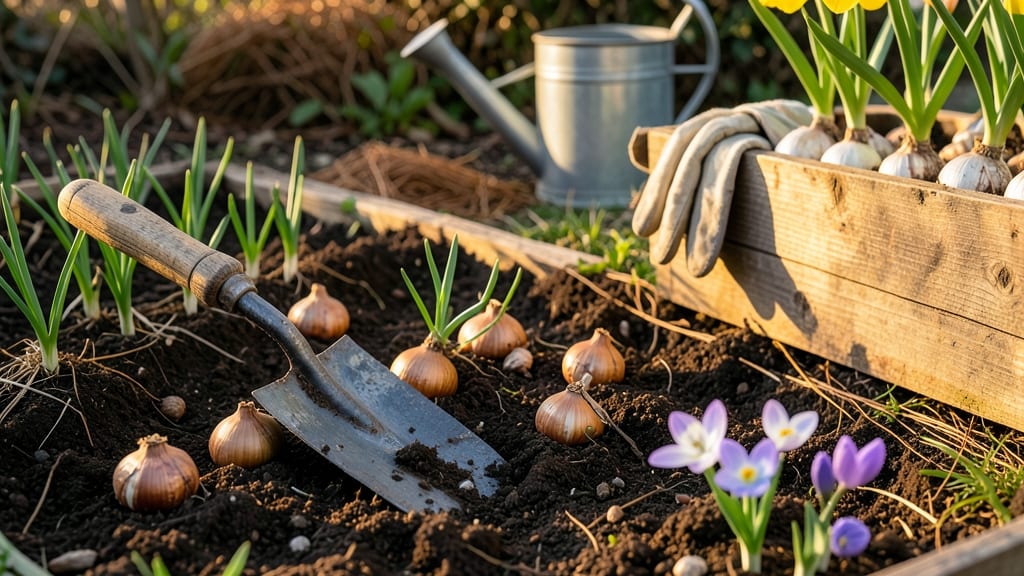
If you’ve ever tried planting traditional bulbs in Florida only to watch them wilt under the summer sun, you’re not alone—most gardeners assume the classic fall planting schedule just doesn’t work here. But the secret to thriving 🌷 blooms lies in understanding Florida’s unique climate and choosing the right varieties.
Unlike cooler climates where bulbs like tulips and daffodils thrive with a strict fall planting window, Florida’s 8a-11 zones demand a different approach. The key isn’t just when to plant—it’s knowing which heat-resistant bulbs will flourish in our long, warm seasons and how to prep your soil for success.
In this guide, I’ll break down the exact planting months for Florida’s two main regions (North vs. South), highlight the best bulbs for our climate, and share pro tips to keep them blooming year-round. No more guesswork—just stunning, resilient gardens that beat the heat.
Ready to transform your yard into a vibrant display? Let’s dive into the timing, varieties, and tricks that make Florida bulb gardening not just possible, but effortless.
Best heat-resistant bulbs to plant in Florida’s climate
Florida’s warm winters and intense summers make traditional bulbs like tulips and daffodils struggle—but don’t give up on bulbs entirely! The key is choosing heat-tolerant varieties that thrive in Florida’s USDA Zones 8a-11.
These bulbs can handle humidity and heat while still delivering vibrant, long-lasting blooms. Let’s explore the top Florida-friendly bulb varieties that will reward you with stunning displays year-round.
Many gardeners assume bulbs only bloom in spring, but Florida’s climate allows for year-round planting with the right species. Tropical bulbs like cannas and rain lilies even bloom in summer, offering continuous color when other plants fade.
The secret? Selecting bulbs that store energy underground during dry periods and recover quickly when rains return.
Here’s my curated list of the best heat-resistant bulbs for Florida, including their ideal planting times and care requirements to ensure success in your garden.
| Bulb Variety | Best Planting Time | Sunlight Needs | Water Needs | Notes |
|---|---|---|---|---|
| Canna Lilies | Spring (March-May) or Fall (September-November) | Full sun to partial shade | High (keep soil moist) | Tropical bulbs; cut back in winter |
| Rain Lilies (Zephyranthes) | Fall (September-October) or Spring (March-April) | Full sun to partial shade | Medium (drought-tolerant) | Blooms after rain; naturalizes easily |
| Elephant Ears (Alocasia) | Spring (March-May) | Partial shade (morning sun) | High (keep soil moist) | Tender perennial; mulch heavily |
| Tropical Dahlias | Spring (March-April) | Full sun (afternoon shade) | Medium (consistent moisture) | Cut back in winter; tuberous roots |
| Daylilies (Hemerocallis) | Fall (September-October) or Spring (February-March) | Full sun to partial shade | Medium (drought-tolerant) | Perennial; blooms summer-fall |
| Amaryllis (Hippeastrum) | Fall (September-October) | Full sun to partial shade | Medium (let soil dry slightly) | Indoor/outdoor; force bloom indoors |
While traditional bulbs like tulips and hyacinths may struggle in Florida’s heat, these tropical and heat-tolerant varieties offer reliable blooms with minimal fuss. For example, canna lilies thrive in Florida’s humidity and produce dramatic foliage and flowers from summer through fall.
Meanwhile, rain lilies are nearly indestructible, blooming after rainfall and spreading effortlessly.
If you’re new to Florida bulb gardening, start with daylilies or rain lilies—they’re the most forgiving and adaptable. These perennials return year after year, making them a low-maintenance investment for your landscape. For a showstopping summer display, pair tropical dahlias with elephant ears in containers or garden beds.
One common mistake is assuming all bulbs need winter dormancy. In Florida, tropical bulbs like cannas actually die back in winter—so don’t panic when their leaves yellow!
Simply cut them back in late winter and they’ll regrow from the same roots when temperatures warm. This cycle is normal and ensures vibrant regrowth each spring.
For container gardening, amaryllis is my top recommendation. These bulbs thrive in pots and can be brought indoors to force blooms during holidays. Plant them in well-draining mix and keep them in bright, indirect light until spring, when you can move them outdoors for summer color.
Remember: Florida’s microclimates vary dramatically. Coastal areas stay warmer year-round, while inland zones may experience milder winters. Adjust planting times slightly based on your specific USDA zone—for example, North Florida (Zone 8a) may need to plant a few weeks earlier than South Florida (Zone 11).
With these heat-resistant bulbs, you can enjoy year-round color without the stress of traditional spring-blooming varieties. Next, we’ll dive into the exact planting calendar for Florida’s two main regions to ensure your bulbs thrive in their new home.
Florida planting calendar: exact months for bulb success by season
Florida’s climate isn’t one-size-fits-all, so planting bulbs isn’t as simple as following a national calendar. The North vs. South divide matters—North Florida’s cooler winters allow some traditional bulbs, while South Florida’s frost-free winters demand heat-loving varieties. Even within these regions, temperature thresholds and moisture levels dictate the best planting windows.
Most gardeners focus on fall planting for spring blooms, but Florida’s warm winters flip the script. Here, we often plant bulbs in early spring (February-March) to avoid summer heat stress, while tropical bulbs thrive when planted in late summer (August-September) for fall/winter displays.
Let’s break it down by region and season.
| Region | Season | Best Planting Months | Temperature Threshold | Moisture Needs | Bulb Examples |
|---|---|---|---|---|---|
| North Florida (Zones 8a-9a) | Fall | September-October | 60-75°F soil | Well-drained | Daffodils, Crocuses |
| North Florida (Zones 8a-9a) | Spring | February-March | 65-70°F air | Moderate | Tulips, Hyacinths |
| South Florida (Zones 10a-11) | Summer | August-September | 75-85°F soil | Humidity-tolerant | Canna Lilies, Rain Lilies |
| South Florida (Zones 10a-11) | Year-Round | Any month | No frost risk | Drought-tolerant | Amaryllis, Elephant Ears |
For North Florida, aim to plant cool-season bulbs like daffodils and crocuses in late summer (August-September) to establish roots before winter. These bulbs need a 6-8 week chill period, so timing is critical—plant too late, and they’ll bloom poorly or not at all.
In South Florida, where frost is rare, you can plant tropical bulbs like canna lilies almost any time, but August-September gives them a head start before summer rains.
Pro tip: Use a soil thermometer to check temperatures—most bulbs prefer soil between 60-75°F at planting. If your soil runs hotter, wait until evening to plant and water deeply to cool the roots.
In humid South Florida, prioritize bulbs with disease resistance, like rain lilies or spider lilies, which thrive in our sticky conditions.
Don’t overlook microclimates—your yard’s shade patterns and wind exposure can shift planting windows by weeks. For example, a shady corner in North Florida might stay cool enough for spring planting in April, while a sunny spot could push back to May.
Observe your garden’s behavior over a few seasons to refine your schedule.
Finally, remember that Florida’s long growing season means bulbs can bloom multiple times. With the right timing and care, you’ll enjoy spring, summer, and fall blooms from the same plants—no seasonal gaps! The key is matching your bulbs to the right month, region, and conditions.