
Plants
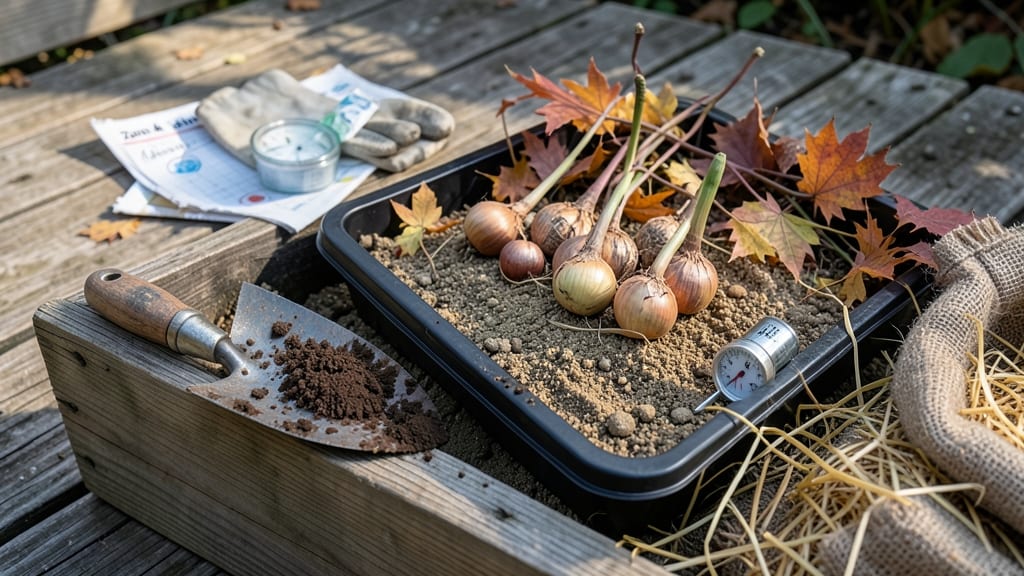
Knowing when to plant bulbs in Zone 4 can mean the difference between a vibrant spring garden and wasted effort. With frost creeping in by mid-September, timing is everything—get it wrong, and your 🌷 could freeze or rot before they even sprout.
Most gardeners in Zone 4 swear by fall planting, but spring alternatives exist for tender varieties. The key? Understanding your last frost date (usually mid-May) and soil conditions. I’ll break down the perfect windows for both seasons, so you can choose what works best for your climate.
Whether you’re a beginner or a seasoned grower, this guide cuts through the guesswork. You’ll learn how to prep soil, pick the right bulbs, and avoid common mistakes that sabotage blooms. Let’s get those bulbs in the ground the right way.
Ready to transform your garden next year? The best time to plant is now—literally. Grab your gloves, and let’s make sure your spring garden is the envy of the neighborhood.

Optimal fall planting dates for bulbs in Zone 4 (with frost safety rules)
Fall is the golden window for planting most Zone 4 bulbs, but timing is everything. Aim to plant 4-6 weeks before your area’s first hard frost, typically between mid-September and mid-October. This gives bulbs time to root before winter sets in, ensuring vibrant spring blooms.
In northern Zone 4 (e.g., Minneapolis), plant by late September—soil temps should be below 60°F but not frozen. In southern Zone 4 (e.g., Buffalo), extend planting until early October, as frost arrives later. Use a soil thermometer to confirm temps are 50–60°F at planting time.
Why timing matters: Plant too early, and bulbs may sprout and freeze. Too late, and they won’t establish roots before winter. Hardy bulbs like daffodils and tulips thrive in fall, while tender bulbs (e.g., dahlias) must wait for spring in Zone 4.
| Bulb Type | Fall Planting Window | Soil Temp Threshold | Notes |
|---|---|---|---|
| Daffodils | Late Sept–Early Oct | 50–60°F | Frost-resistant; plant deep (8 inches). |
| Tulips | Mid-Sept–Late Oct | 45–55°F | Needs cold stratification; avoid soggy soil. |
| Crocus | Early Sept–Mid-Oct | 50–60°F | Early bloomer; plant shallow (3–4 inches). |
| Alliums | Late Sept–Early Oct | 50–60°F | Drought-tolerant; full sun required. |
| Dahlias (Tender) | Wait for Spring | N/A | Freeze-sensitive; plant after last frost. |
For reliable frost dates, check your local USDA Plant Hardiness Zone Map or use a frost calendar from your state’s agricultural extension office. In Zone 4’s northern edge, frost can hit by early October, while southern areas may have 2–3 extra weeks.
Prepare the soil by mixing in compost or sand for drainage, especially in clay-heavy soils. Plant bulbs 3x their height deep (e.g., 6 inches for tulips) and space them 6–12 inches apart to prevent crowding. Mulch with 2–3 inches of straw after planting to insulate roots.
Watch for early sprouts in mild winters—cover them with mulch or burlap if temps dip below 20°F. Spring-blooming bulbs like hyacinths need 6–8 weeks of cold to flower, so don’t rush planting.
If you miss fall planting, don’t panic! Spring planting works for tender bulbs like caladiums, but hardy varieties may bloom later. Just ensure soil is workable and frost-free before planting.
Pro tip: Mark your bulb beds with stakes or flags in fall to avoid disturbing them in spring. This simple step saves time and prevents accidental digging into dormant bulbs.
Spring planting alternatives for Zone 4: when and how to avoid common mistakes
Spring planting offers a second chance for Zone 4 gardeners who missed fall’s window or need to grow tender bulbs like caladiums or gladioli. The key is timing—plant too early, and frost will damage new roots; too late, and blooms may arrive after summer’s heat.
Aim for 2–4 weeks after your last frost date, typically mid-April to early May in most of Zone 4.
Unlike fall planting, spring bulbs need extra care to compensate for Zone 4’s short growing season. Start by amending your soil with compost or aged manure to boost nutrients, since bulbs planted in spring won’t have months to establish roots.
Test your soil’s drainage—spring bulbs rot faster in soggy soil than fall-planted varieties.
Spring-planted bulbs are high-risk if frost hits before roots establish. In northern Zone 4 (e.g., Minneapolis), wait until May 1 or later for gladioli and cannas. In southern areas (e.g., Buffalo), late April is safer. Never plant before soil temps hit 60°F—use a soil thermometer to check!
Depth matters more in spring than fall. Plant bulbs twice as deep as their height (e.g., 6-inch-deep for 3-inch bulbs) to protect them from temperature swings. Space clumping bulbs like dahlias 12–18 inches apart, while smaller bulbs like tulips can share space at 6 inches.
Mulch heavily (3–4 inches) with straw or shredded leaves to insulate roots and retain moisture.
Watering spring-planted bulbs is critical but tricky. Soak the soil at planting, then water deeply once a week—spring rains often overwater, leading to rot. Reduce watering once buds form to encourage blooms.
Avoid overhead sprinklers, which can spread fungal diseases like botrytis in Zone 4’s damp springs. Drip irrigation or soaker hoses work best.
Fertilize lightly 4–6 weeks after planting with a balanced fertilizer (10-10-10) to support root growth. Skip high-nitrogen feeds—they promote leaves over blooms. Once flowers appear, switch to a phosphorus-heavy feed (5-10-5) to boost bloom production. Deadhead spent flowers to redirect energy to bulb storage for next year.
Spring-planted bulbs may not rebloom reliably in Zone 4’s short season, but they’ll still add color to summer and early fall. For gladioli or cannas, dig up and store bulbs after the first frost to replant next spring.
With the right timing and care, even Zone 4’s brief growing window can yield stunning results.