
Plants
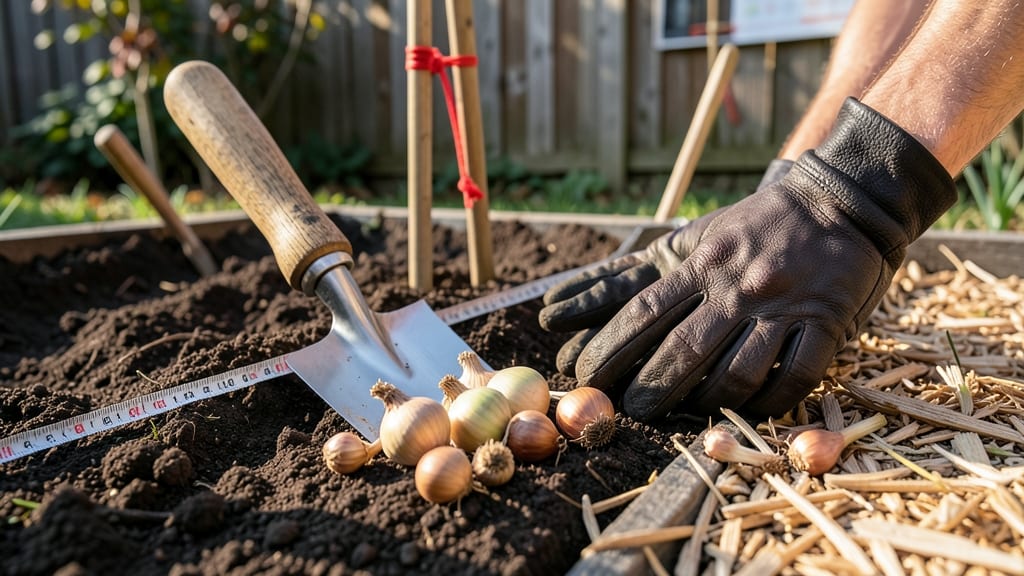
If you're wondering when to plant bulbs in Zone 7b, timing is the secret to vibrant spring blooms that keep coming back year after year.
Zone 7b's mild winters and extended growing season create the perfect conditions for Spring Flowering Bulbs 🌷, but getting the schedule right makes all the difference.
Most gardeners focus on spring planting, but the truth is, fall is actually the ideal window for planting these hardy bulbs.
When you plant in September through November, you give the roots time to establish before winter sets in - a critical step for bulbs that need 6-8 weeks of cool soil to develop properly.
In this guide, I'll break down the exact planting schedule for Zone 7b, including how to adjust for early freezes or unusually warm falls. You'll discover the best bulb varieties for your climate, common mistakes to avoid, and simple soil prep techniques that make planting easier than you think.
Whether you're a beginner or a seasoned gardener, these insights will help you create a stunning spring display with minimal effort. Let's get your bulbs in the ground at the perfect time for maximum impact.

Best months to plant spring-flowering bulbs in Zone 7B
In Zone 7B, timing your spring-flowering bulbs is critical—plant too early, and they’ll rot in warm soil; too late, and they won’t establish roots before winter.
The ideal window is 4-6 weeks before the ground freezes, typically September through November. This gives bulbs time to root deeply before dormancy.
Zone 7B’s mild winters and transitional climate mean you can push the envelope slightly compared to colder zones. For example, tulips and daffodils thrive when planted in early October, while hyacinths and crocuses can handle late October or even early November plantings.
Soil temperature is your best guide: aim for 60°F or below at a 6-inch depth. Use a soil thermometer to check—this ensures bulbs won’t sprout prematurely. In Zone 7B, this usually aligns with late September to early October.
Microclimates matter! If your garden sits in a warmer microclimate (like near a south-facing wall), plant bulbs 2-3 weeks earlier to avoid winter sprouting. Conversely, cooler spots (like shaded areas) can accommodate later plantings.
Here’s a quick rule of thumb: Tulips and daffodils need 10-12 weeks of chill time, while hyacinths and alliums thrive with 8-10 weeks. Zone 7B’s winters typically provide enough chill, but early planting ensures they meet these requirements.
Zone 7B Spring Bulb Planting Guide
| Bulb Type | Ideal Planting Month | Soil Temp Threshold | Depth (inches) | Notes |
|---|---|---|---|---|
| Tulips | September-October | 60°F or below | 6-8 inches | Needs 12 weeks chill |
| Daffodils | October-November | 55°F or below | 6-8 inches | Deer-resistant |
| Hyacinths | October | 50°F or below | 6 inches | Fragrant blooms |
| Crocuses | September-October | 55°F or below | 3-4 inches | Early spring blooms |
| Alliums | October-November | 60°F or below | 6-8 inches | Drought-tolerant |
Don’t overlook soil preparation—Zone 7B’s clay-heavy soils often need amendments like compost or sand to improve drainage. Work in 2-3 inches of compost and a balanced fertilizer (10-10-10) at planting time to give bulbs a nutrient boost.
For container gardening, plant bulbs in well-draining pots with holes and use a lightweight potting mix. Containers warm up faster, so plant 2 weeks earlier than in-ground bulbs to avoid premature sprouting.
Pro tip: Mark your bulb beds with stakes or flags so you don’t accidentally dig them up when planting spring crops. Zone 7B’s mild winters mean some bulbs (like tulips) may resprout early—cover them with mulch if frost threatens.
Remember, fall-planted bulbs will reward you with spring color with almost no maintenance. Just water occasionally during dormancy (if rain is scarce) and let nature do the rest! 🌷
Fall planting guide for Zone 7B: when and how to plant for spring blooms
Fall is the perfect time to plant bulbs in Zone 7B, ensuring they establish roots before winter. Since Zone 7B experiences mild winters with average last frost dates around November 15, you have a longer window than colder zones.
Aim to plant 6-8 weeks before the ground freezes—typically between mid-September and early November—for the best results.
For Zone 7B’s transitional climate, early fall planting (September) gives bulbs time to root deeply before soil temperatures drop.
Late fall planting (November) is riskier but still possible if the ground isn’t frozen. Tulips, daffodils, and hyacinths thrive in this schedule, while crocuses and snowdrops can handle even later planting.
⚠️ Callout Warning: Common Mistakes in Zone 7B
Planting too early (August) can cause bulbs to sprout and rot in warm soil. Planting too late (December) may leave them vulnerable to freezing before rooting. Avoid waterlogged soil—Zone 7B’s occasional heavy rains can suffocate bulbs.
- ❌ Don’t plant in soggy or compacted soil
- ❌ Don’t skip soil amendments (compost or sand)
- ✅ Do plant in well-draining areas with 3x bulb depth in loose soil
Prepare your soil by amending it with compost or sand to improve drainage—a critical factor in Zone 7B’s humid climate. Plant bulbs 6 inches deep (or 3x their height) and 6 inches apart for optimal spacing.
Use a bulb planter or trowel to avoid damaging roots, and water thoroughly after planting to settle the soil.
Soil temperature is your best guide: Aim for 60°F or below at planting time. In Zone 7B’s mild winters, bulbs like alliums and fritillaries can even handle late fall planting if the ground isn’t frozen. Monitor local frost dates—some years, the window shifts 1-2 weeks earlier or later.
After planting, mulch with 2-3 inches of straw or leaves to insulate bulbs and retain moisture. Remove mulch in early spring once shoots emerge. Avoid fertilizing in fall—wait until early spring when you see new growth. A light application of 5-10-10 fertilizer at this stage promotes robust blooms.
With the right timing and care, your Zone 7B garden will burst into color in March and April. Whether you’re a beginner or a seasoned gardener, mastering fall planting ensures vibrant, low-maintenance blooms year after year.