
Plants
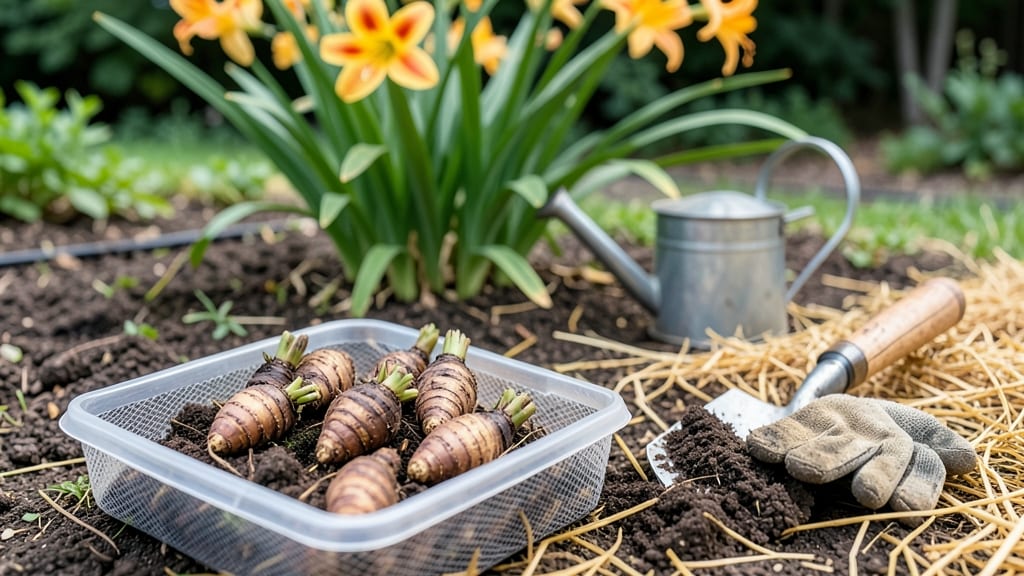
Timing your Daylily 🌸 planting of the bulbs in Zone 5 can make or break your garden's summer color explosion—get it wrong, and you might end up with frost-nipped roots or delayed blooms.
Most gardeners assume spring is the only safe window, but fall planting actually gives these hardy perennials a head start. The key is understanding your local frost dates and soil temperatures, which can vary even within Zone 5's 150 frost-free days.
I'll break down the exact 4-6 week windows before your last frost (typically mid-May) and why early fall (September-October) often outperforms spring for established roots.
Plus, we'll clear up a common myth: Daylilies don't grow from bulbs—they're rhizomatous, so planting depth and soil prep matter just as much as timing. Let's get your 🌸 garden thriving from the start.

Best fall planting times for daylily bulbs in Zone 5 (with frost protection tips)
Fall is the best time to plant daylilies in Zone 5 because the soil stays warm while air temperatures drop. This gives roots time to establish before winter dormancy. Aim for 6-8 weeks before your first frost, typically between mid-September and early October in most of Zone 5.
Daylilies are actually grown from rhizomes, not bulbs, so we’re focusing on planting those hardy underground stems. The key is to plant when soil temps are between 50°F and 60°F—this ensures roots grow but tops don’t sprout prematurely.
Cooler soil temps in fall prevent early growth that could be damaged by frost.
Here’s the critical timing breakdown for Zone 5’s two subzones: Zone 5a (colder) and Zone 5b (warmer). Planting too late risks frozen rhizomes, while planting too early may lead to weak root development before winter.
| Zone 5 Subzone | Ideal Planting Window | Last Safe Planting Date | Soil Temp Goal |
|---|---|---|---|
| Zone 5a (colder) | Late August to mid-September | Early October | 50-55°F |
| Zone 5b (warmer) | Mid-September to early October | Mid-October | 55-60°F |
🌡️ Use a soil thermometer to confirm temps before planting.
To protect newly planted rhizomes from early frosts, use 3-4 inches of mulch (straw or shredded leaves work best). This acts as insulation while allowing moisture to penetrate. Avoid thick mulch layers that could suffocate the rhizomes or trap excess moisture.
Northern Zone 5 gardeners should prioritize earlier fall planting (late August) to ensure roots establish before ground freeze. In contrast, southern Zone 5 areas can plant slightly later (early October) since frost arrives later. Always check your local USDA frost date maps for precision.
One common mistake is planting daylilies too late in fall, leaving rhizomes vulnerable to freeze-thaw cycles. If you miss the fall window, don’t worry—spring planting works too, but requires extra care to compensate for lost root establishment time.
For extra frost protection, consider planting rhizomes in containers or raised beds and burying them in the ground. This allows you to dig them up and move them indoors if early frosts threaten. Just be sure to return them to the garden after the last frost in spring.
After planting, water thoroughly to settle the soil around the rhizomes. Keep the area consistently moist but not soggy for the first 2-3 weeks. This encourages root growth before winter dormancy sets in. Reduce watering in late fall as temperatures drop.
Fall-planted daylilies often bloom earlier the following year because established roots can access nutrients and water more efficiently. This head start means more vibrant flowers and stronger plants for years to come.
Best fall planting times for daylily bulbs in Zone 5 (with frost protection tips)
Fall is my top recommendation for planting daylily bulbs in Zone 5 because the soil stays warm while air temperatures drop. This gives roots time to establish before winter dormancy. Aim for 6-8 weeks before your area’s first frost date—typically mid-September to early October in most of Zone 5.
The ideal soil temperature for planting is between 50-60°F. In northern Zone 5 (5a), this might mean planting by late September, while southern areas (5b) can extend until mid-October. Always check your local last frost date to avoid planting too late.
🌱 Zone 5 Daylily Fall Planting Summary
| Region | Best Planting Window | Soil Temp Goal | Frost Protection |
|---|---|---|---|
| Northern Zone 5 (5a) | Late August - Early September | 50-55°F | Mulch 3-4" thick |
| Southern Zone 5 (5b) | Mid-September - Mid-October | 55-60°F | Light row cover if frost early |
For extra frost protection, I recommend adding a 3-4 inch mulch layer of straw or shredded leaves after planting. This insulates the rhizomes (daylilies grow from rhizomes, not true bulbs!) and prevents soil heaving during freeze-thaw cycles. In Zone 5a, consider using black plastic mulch for added warmth.
If you miss the fall window, don’t panic—daylilies are hardy perennials that can handle light frost after planting. However, avoid planting when soil temps drop below 50°F or when frost is forecast within 2 weeks. The roots simply won’t establish properly, leading to poor blooms next season.
Pro tip: Water deeply after planting and keep soil moist for the first 2-3 weeks to encourage root growth. Daylilies in Zone 5 planted in fall will often bloom earlier the following summer because their roots have a head start.
Remember, daylilies are rhizomatous, not bulb-based like tulips. Plant the crown (where leaves meet roots) just 1 inch below soil level for best results. This shallow planting prevents rot while allowing easy access to sunlight.