
Plants
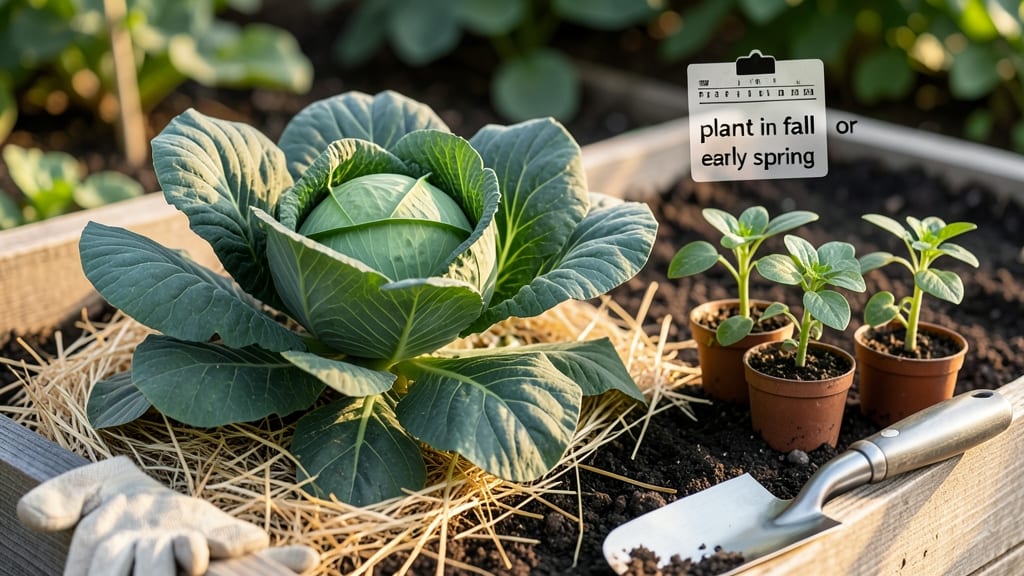
Planting cabbage in California at the wrong time can turn your garden into a bitter disappointment—especially when bolting strikes and your crisp heads turn to bitter flowers. The key to success lies in understanding your microclimate, whether you're in frost-free coastal areas or inland valleys where heat triggers early flowering.
I’ve grown 🥬 cabbage in California’s diverse zones for years, and the difference between a thriving harvest and a failed crop often comes down to timing.
Coastal gardeners in Zone 10 can plant year-round, while inland growers in Zones 8–9 must time their fall and spring plantings perfectly to avoid heat stress.
In this guide, I’ll break down the exact windows for coastal vs. inland planting—plus soil prep secrets and transplanting tips—to keep your cabbage happy and bolting-free. Let’s get those heads growing the right way.
Ready to avoid the #1 mistake California gardeners make? The solution starts with knowing when to put those seeds in the ground.
California cabbage planting calendar: coastal vs inland timing to avoid bolting
California’s diverse microclimates mean your cabbage planting schedule should vary dramatically between coastal regions and inland valleys. Coastal areas (like San Francisco or Santa Barbara) enjoy mild winters with almost no frost, while inland zones (Central Valley, Sacramento) face hotter summers and occasional winter chills.
Getting these timing windows wrong can trigger bolting—when cabbage prematurely flowers and becomes bitter.
For coastal gardeners, focus on fall and winter plantings to avoid summer heat stress. Inland growers, however, need to time plantings for cooler months and use shade cloth during peak summer. Let’s break down the exact month-by-month windows for each region to ensure your cabbage thrives.
🚨 NON-NEGOTIABLE: Cabbage bolts when soil temps exceed 75°F (24°C) or when days get too long (longer than 14 hours of daylight). Coastal areas hit this threshold in late spring, while inland zones face it by early May.
🌱 California Cabbage Planting Calendar
| Region | Planting Window | Transplant Outdoors | Harvest Window | Key Notes |
|---|---|---|---|---|
| Coastal (USDA 10) | August–September (Fall) February–March (Spring) |
September–October (Fall) March–April (Spring) |
November–February (Fall) May–July (Spring) |
No frost risk; extend season with row covers |
| Inland Valleys (USDA 9) | July–August (Fall) January–February (Spring) |
August–September (Fall) February–March (Spring) |
October–December (Fall) April–June (Spring) |
Use shade cloth in summer; watch for bolting after May |
| Desert (USDA 8) | June–July (Fall) December–January (Spring) |
July–August (Fall) January–February (Spring) |
September–November (Fall) March–May (Spring) |
Plant in shade; irrigate daily in summer |
If you’re in coastal California, your fall planting window runs from mid-August to early October. Start seeds indoors in July for transplanting by late August, ensuring heads mature before summer heat arrives.
For spring plantings, begin seeds indoors in January and transplant by February to harvest by May.
Inland gardeners should avoid summer plantings entirely. Instead, focus on late summer (July–August) for fall crops and winter (December–January) for spring harvests. Use 30% shade cloth if planting in May or June to prevent bolting from heat stress.
For desert regions, timing is even more critical. Plant in June–July for fall harvests or December–January for spring. Soil temperatures above 80°F (27°C) will trigger bolting within weeks, so prioritize drip irrigation and mulching to keep roots cool.
Pro tip: Use a soil thermometer to monitor temps—cabbage roots prefer 55–70°F (13–21°C). If your soil hits 75°F (24°C) or higher, your cabbage will bolt, no matter how well you water. 🌱
Remember, coastal cabbage can grow year-round with proper care, while inland varieties need seasonal protection. Plan your plantings around local frost dates (check your USDA zone) and adjust for microclimates—like a sheltered valley or windy coastal bluff.
With the right timing, you’ll enjoy crisp, sweet heads from fall through spring.
Next, we’ll dive into the 5 critical factors that determine whether your cabbage thrives—or bolts—once planted. ✂️
5 Critical factors that determine your cabbage planting success in California
Timing your cabbage planting isn't just about months—it's a science of conditions that keep your plants from bolting. The 5 key factors below will make or break your harvest, especially in California's diverse microclimates. Let's break down what truly matters beyond the calendar.
First, soil temperature is your silent gardening ally. Cabbage thrives when soil stays between 45°F and 85°F. Inland areas like the Central Valley can hit 90°F+ by spring, forcing bolting.
Coastal regions stay cooler longer, giving you a 2-3 week advantage for spring plantings. Always check soil temp with a thermometer before sowing.
Next, day-length sensitivity plays a surprising role. Cabbage is a long-day plant, meaning it detects increasing daylight hours as a signal to bolt. Inland areas experience longer daylight in summer, so plant late varieties in fall (August-September) to avoid this trigger.
Coastal gardeners can push spring plantings slightly later due to milder light conditions.
| Factor | Coastal CA | Inland CA |
|---|---|---|
| Soil Temp Ideal | 45°F-75°F | 45°F-70°F |
| Daylength Risk | Low (milder light) | High (longer days) |
| Water Needs | Moderate (fog help) | High (drought risk) |
| Best Varieties | 'Golden Acre' | 'Red Express' |
Your variety selection makes all the difference in California's extremes. Early maturing varieties like 'Early Jersey Wakefield' (58 days) bolt less in heat, while late varieties like 'Wisconsin Winter' (120 days) handle coastal winters better. I always keep both types in rotation—spring for quick harvests, fall for winter storage.
Watering strategies deserve their own spotlight. Cabbage needs consistent moisture, but California's summer drought turns soil to concrete. My trick? Drip irrigation set to run 1-1.5 gallons per plant daily during heatwaves.
Never let the soil dry out—this is the #1 cause of bolting in inland gardens. Mulch with 3 inches of straw to lock in moisture and keep roots cool.
Finally, season extension tools can add 4-6 weeks to your growing season. Inland gardeners swear by shade cloth (30-50%) during summer to block heat stress, while coastal growers use row covers for winter protection. I've added 2-3 weeks to my harvest window using these—worth the investment for a second crop!