
Plants
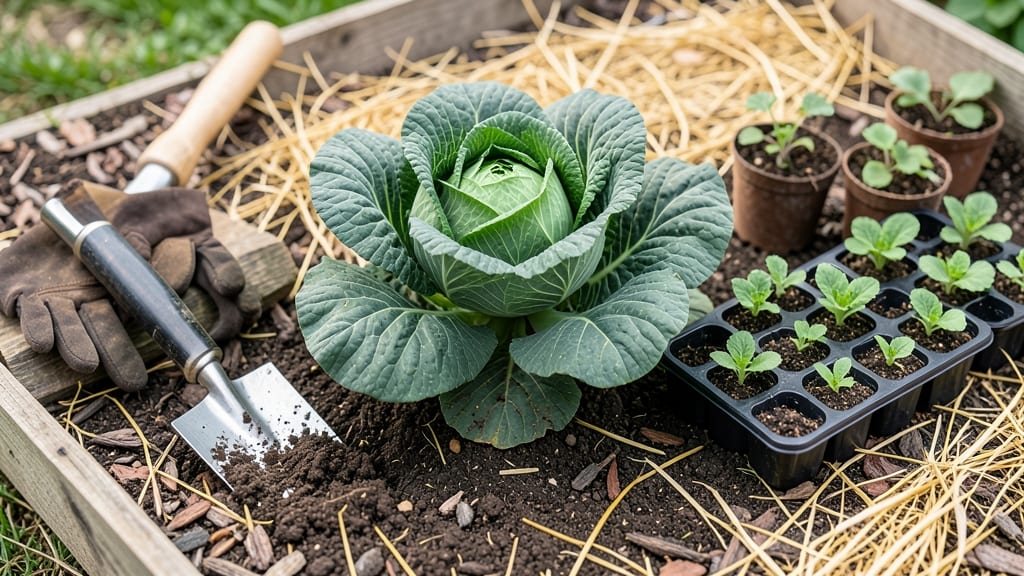
Best planting dates for cabbage in south carolina by season
South Carolina’s USDA Zones 7b-8a offer two prime windows for growing cabbage: early spring and late summer. The key is avoiding heat stress and bolting, which can ruin your harvest. Let’s break down the exact timing for each season, including adjustments for SC’s coastal vs. Piedmont microclimates.
For spring cabbage, start seeds indoors 4-6 weeks before your last frost date (typically mid-March in most of SC). Transplant seedlings outdoors 2-3 weeks later when soil temps reach 50°F.
Coastal areas like Charleston may have slightly earlier frost dates, so adjust accordingly. In the Piedmont, aim for early February starts for a May harvest.
Fall cabbage is trickier but rewarding. Begin seeds indoors 10-12 weeks before your first frost (usually mid-November). Transplant outdoors by late August to allow heads to mature before cold sets in. In Zone 8a (e.g., Columbia), you can push this to early September for a late-October harvest.
| Season | Planting Window | Transplant Date | Harvest Time | Climate Notes |
|---|---|---|---|---|
| Spring | Indoors: Feb 1–Mar 15 Outdoors: Mar 15–Apr 15 |
After last frost (mid-March) | May–June | Coastal areas: Start 1 week earlier. |
| Fall | Indoors: Jul 1–Aug 15 Outdoors: Aug 15–Sep 1 |
Before 90°F heat sets in | Oct–Nov | Piedmont: Push to early Sept for Zone 8a. |
If you miss these windows, don’t despair! Successive planting works for SC gardens. Sow a third batch in late June for a winter harvest—these plants will mature slowly and survive light frosts. Just choose bolting-resistant varieties like ‘Golden Acre’ for better heat tolerance.
Direct sowing is an option for spring but risky in SC’s heat. If you skip transplants, sow seeds outdoors in January for a late-winter harvest. Use row covers to protect young plants from freezes and cabbage worms. I’ve had success with this method in Upstate SC, where winters are cooler.
For coastal gardeners, humidity and fungal diseases like downy mildew are bigger threats. Space plants 18–24 inches apart for airflow and water at soil level to avoid wetting leaves. In the Piedmont, focus on soil moisture retention—mulch with straw or pine needles to keep roots cool.
Pro tip: Use a planting calendar to track your frost dates. SC’s first frost varies—coastal areas may see it by early November, while inland zones like Greenville can delay until mid-November. Adjust your fall planting 2 weeks earlier if you’re in a cooler microclimate.
Finally, test your soil pH before planting. Cabbage thrives in 6.0–7.0 pH. If your soil is too acidic (common in SC’s sandy soils), amend with lime 4–6 weeks before planting. My lowcountry garden needed this adjustment—without it, heads stayed small and loose.
Timing is everything, but don’t stress over perfection. Even a 1-week delay won’t ruin your crop if you choose the right heat-tolerant varieties. Next, we’ll dive into the top 5 cabbage types that actually thrive in SC’s heat—stay tuned! 🌱
Best planting dates for cabbage in south carolina by season
South Carolina’s USDA Zones 7b-8a mean cabbage thrives best when planted during cooler months. The key is avoiding summer heat, which causes bolting (flowering prematurely). For most of SC, aim for early spring and late summer plantings to align with frost-free windows.
In the Piedmont region, last frost typically hits mid-March, while coastal areas like Charleston may see frost 2-3 weeks later. Adjust your timeline accordingly—coastal gardeners have slightly more time to plant in early spring. Always check your local agricultural extension service for precise frost dates.
🌱 Cabbage Planting Timeline for South Carolina
| Season | Planting Window | Transplant Date | Harvest Window |
|---|---|---|---|
| Spring | February - Early March | 4-6 weeks before last frost (Mid-March) | May - Early June |
| Fall | Late July - Early August | 10-12 weeks before first frost (Mid-November) | October - November |
💡 Pro Tip: Start seeds indoors 4-6 weeks before transplanting to extend your growing season.
For direct sowing (planting seeds outdoors), wait until soil temperatures drop below 80°F. Coastal areas can start 4-6 weeks earlier than inland Piedmont regions due to milder winters. Use a soil thermometer to monitor temperatures—ideal planting soil should be 55-65°F.
If you’re in Zone 8a (common in Upstate SC), prioritize fall plantings over spring. Summer heat is more intense there, and cabbage struggles to form heads when temperatures exceed 85°F for prolonged periods. Shade cloth (30-50%) can help extend summer plantings by 2-3 weeks.
Always space cabbage 18-24 inches apart to prevent disease and ensure proper head formation. In small gardens, opt for dwarf varieties like ‘Miniature Peanut’ or ‘Golden Acre’ to maximize space. Companion planting with radishes or onions deters pests like cabbage moths, a common issue in SC’s humid climate.
Remember: Consistent moisture is critical during germination. Water seeds daily until sprouts appear, then taper to every 3-5 days once established. Mulch with straw or grass clippings to retain soil moisture and regulate temperature—especially important during SC’s hot, dry summers.