
Plants
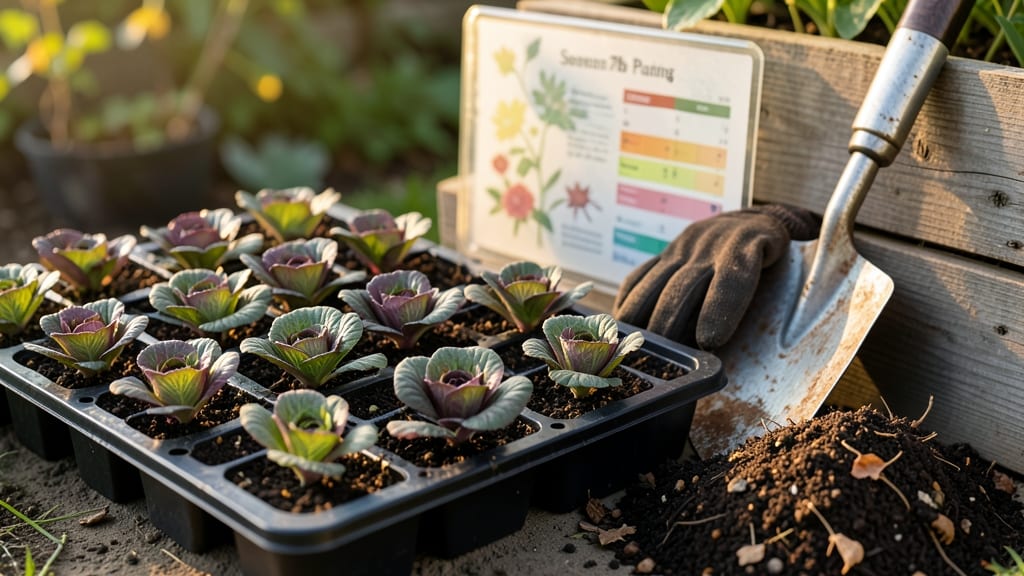
If you're growing 🥬 cabbage in Zone 7b and ending up with bitter-tasting heads or plants that bolt too soon, timing is everything—and you might be missing the sweet spot.
The wrong transplant window can turn your hard work into disappointment, but getting it right means crisp, sweet cabbage straight from your garden.
Zone 7b’s mild winters and warm summers create a unique challenge: too early, and frost can damage young plants; too late, and heat triggers bolting. I’ve tested the best transplant windows—early spring (March-April) and late summer (August-September)—to ensure your cabbage thrives without wasting effort.
Let’s break down the exact timing and pro tips to avoid common mistakes.
Why does this matter? Because cabbage planted at the wrong time won’t just underperform—it can become tough, bitter, or even flower prematurely. The key is aligning your transplant schedule with soil temperatures, frost dates, and your local climate quirks.
I’ll show you how to nail it for a continuous harvest from June through November.
Whether you’re a first-time gardener or a seasoned grower, these insights will help you skip the trial-and-error phase. Ready to grow cabbage that’s sweeter, firmer, and ready to harvest at the perfect moment? Let’s get started.

Optimal cabbage transplant windows in Zone 7b for head formation
In Zone 7b, timing is everything when planting cabbage. The difference between sweet, crisp heads and bitter, bolting plants often comes down to soil temperatures and frost dates.
My last frost date in Zone 7b is typically around March 15, while the first frost arrives around November 15. This gives us a 165-day frost-free window, perfect for two planting seasons: early spring and late summer.
For the best results, I focus on two key transplant windows: March to early April for spring harvests and late August to early September for fall harvests. These windows align with soil temperatures that are consistently above 45°F (7°C)—the minimum for healthy cabbage growth.
Planting too early risks frost damage, while planting too late can trigger premature bolting from summer heat.
🌱 Pro Tip: Always check your local frost dates—they can vary slightly by location within Zone 7b. Use the National Weather Service or a local gardening extension for precise timing tailored to your microclimate.
| Season | Transplant Window | Soil Temp Requirement | Harvest Window | Key Consideration |
|---|---|---|---|---|
| Spring | March 15 - April 15 | 45°F+ (7°C+) | June - July | Avoid frost; use row covers if needed |
| Fall | August 15 - September 15 | 50°F+ (10°C+) | October - November | Plant early enough for head formation before frost |
| Backup | April 30 - May 15 | 50°F+ (10°C+) | July - August | Use shade cloth; prioritize heat-tolerant varieties |
If you're aiming for a continuous harvest, I recommend staggering transplants every 2-3 weeks within these windows. For example, plant one batch on March 15, another on March 30, and a final batch on April 15.
This succession planting strategy ensures you have cabbage ready to harvest every 2-3 weeks throughout the season.
For green cabbage varieties, like 'Golden Acre,' I plant primarily in the spring. These varieties mature faster (60-75 days) and handle cooler temperatures better. Red and savoy cabbages, like 'Red Express' or 'Cavalo,' often do better in the fall when temperatures start to drop.
Their slower maturity (75-100 days) gives them time to form tight heads before frost.
💧 Watering Tip: After transplanting, keep soil consistently moist but not waterlogged. Cabbage roots need 1-2 inches of water per week, but drought stress can make heads bitter. Use drip irrigation or soaker hoses to deliver water directly to the roots and reduce evaporation.
One common mistake I see is planting cabbage too late in spring, thinking it will grow faster in warmer soil. But when soil temperatures exceed 75°F (24°C), cabbage plants bolt prematurely. To avoid this, I always monitor soil temps with a soil thermometer and adjust planting dates accordingly.
If your soil is too warm, hold off until temperatures drop slightly or use shade cloth to protect seedlings.
Finally,
✅ Ready to Plant: Mark your calendar for March 15 and August 15 as your key transplant dates. With these windows, you'll avoid the two biggest pitfalls in Zone 7b: frost damage and heat-induced bolting.
Optimal cabbage transplant windows in Zone 7b for head formation
In Zone 7b, your cabbage transplant timing must align with soil temperatures and frost risks to prevent bolting or frost damage. The ideal transplant windows are early spring (March-April) and late summer (August-September), when soil warms to 45°F (7°C) and nighttime temperatures stay above 50°F (10°C).
These windows ensure your plants establish roots before summer heat triggers premature flowering.
For spring transplants, aim for 4-6 weeks after your last frost date (March 15). This gives seedlings time to harden off before summer’s heat arrives. In late summer, transplant 8-10 weeks before your first frost (November 15) to allow heads to mature before cold sets in.
Missing these windows often leads to bitter-tasting cabbage or plants that bolt too soon.
Here’s a quick-reference guide to Zone 7b’s transplant timing, including soil temperature requirements and backup planting schedules for extended harvests:
| Planting Window | Soil Temp | Days to Maturity | Harvest Time |
|---|---|---|---|
| Early Spring (March-April) | 45°F+ (7°C+) | 60-75 days | June-July |
| Late Summer (August-September) | 50°F+ (10°C+) | 70-85 days | October-November |
| Backup Window (May) | 55°F+ (13°C+) | 50-60 days | July-August |
🌱 Note: Use shade cloth for May transplants to prevent bolting.
For green cabbage varieties like ‘Golden Acre’, stick to the early spring window—they’re less heat-tolerant. Red cabbage (e.g., ‘Red Express’) handles late summer transplants better due to its higher bolting resistance. Always harden off seedlings for 7-10 days before transplanting to reduce shock and improve survival rates.
Pro tip: If you’re using seedlings from nurseries, check their age—younger plants (4-6 weeks old) transplant better in spring, while older seedlings (6-8 weeks) handle late summer transplants more easily. Adjust spacing to 18-24 inches apart for standard varieties to avoid competition and ensure head formation.
Zone 7b’s 165 frost-free days give you flexibility, but don’t push it. Transplanting in May or late July risks bolting, especially if daytime temps exceed 80°F (27°C). Use this table as your guide, and you’ll avoid the most common mistakes that lead to poor harvests.