
Plants
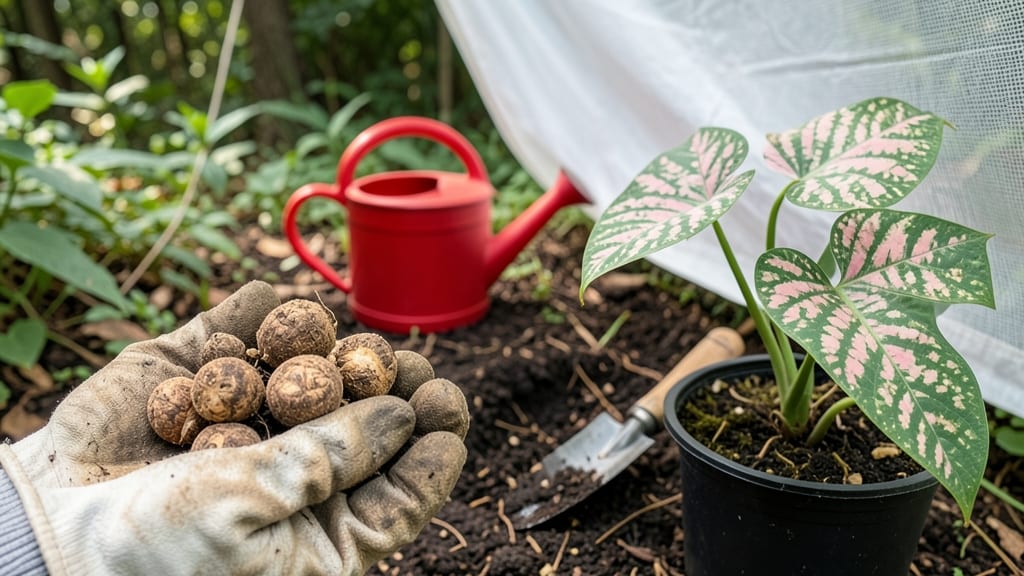
If you’ve ever missed the perfect time to plant caladiums in Texas because of timing, you’re not alone—but this year can be different.
These heat-loving plants, with their vibrant foliage, need precise timing to flourish in your 8a-11 zone, where scorching summers and unpredictable frosts can make or break their growth.
The key to success? Planting them after the last frost, typically between March and May, when soil temperatures warm up. North Texas gardeners should wait until late March, while South Texas can start as early as February—just don’t rush it.
These tubers crave warmth, and getting the timing right means the difference between lush, colorful leaves and wilted disappointment.
But here’s the thing: Texas’s varied microclimates mean one-size-fits-all advice won’t cut it. Whether you’re in the humid East or the drier West, soil prep and early-care tips are critical.
I’ll walk you through the exact steps to ensure your 🌿 caladiums thrive all season long, from choosing the right varieties to avoiding common pitfalls that kill these beauties.
Ready to transform your garden into a showstopper? Let’s dive into the perfect planting window, heat-tolerant varieties, and pro tips to keep your caladiums looking their best—no matter where you are in the Lone Star State.
Optimal planting months for caladiums in Texas: a heat-Zone guide
Texas’s diverse climate means caladium planting windows vary dramatically from North to South Texas. In Zone 8a (North Texas), wait until mid-April after the last frost—usually around February 15—to avoid cold snaps that can damage tubers.
Meanwhile, South Texas (Zones 9b–11) gardeners can plant as early as February, even in January for early bloomers.
Soil temperature is your best indicator: aim for 60°F or warmer before planting. Use a soil thermometer to check—cold soil slows root growth and invites rot.
In Central Texas (Zone 8b), this typically aligns with late March to early April, giving you a 2-week buffer before summer’s brutal heat arrives.
Caladiums are tropical tubers, so they despise frost and extreme heat stress. Planting too early in North Texas risks frost damage, while planting too late in South Texas can stress plants before they establish roots.
The sweet spot is March–May, when daytime highs hit 75–85°F and nights stay above 55°F.
🌡️ Texas Caladium Planting Guide by Region
| Region | USDA Zone | Last Frost Date | Ideal Planting Window | Soil Temp Threshold |
|---|---|---|---|---|
| North Texas | 8a | Feb 15 | Mid-April to May 1 | 60°F+ |
| Central Texas | 8b | Feb 1 | Late March to April | 60°F+ |
| South Texas | 9b–11 | Jan 15 | February to March | 65°F+ |
Pro Tip: Use mulch (2–3 inches) to regulate soil temperature and retain moisture during Texas’s unpredictable spring rains.
For container gardening, you can push the envelope slightly. Start tubers indoors under grow lights in January (North Texas) or December (South Texas) and transplant outdoors after the last frost.
This gives you a head start on the season, but ensure pots have drainage holes to prevent rot in Texas’s humid summers.
Texas’s humidity and heat demand extra prep. Amend your soil with compost or peat moss to improve drainage, and avoid planting in full sun—caladiums prefer partial shade (3–6 hours of morning sun max).
In East Texas, where humidity is higher, opt for well-draining raised beds to prevent waterlogged roots.
If you miss the spring window, late summer (June) is your second chance. Plant tubers 6–8 weeks before the first frost (usually November 15 in South Texas or December 1 in North Texasshorter foliage displays compared to spring plantings.
Timing isn’t just about months—it’s about microclimates. Urban areas like Houston or Dallas may experience heat islands, warming soil faster than rural zones. Check local weather stations for weekly temperature trends and adjust your planting date accordingly.
A 5–7 day delay can mean the difference between thriving and struggling caladiums.
Once planted, water deeply 2–3 times per week (more in 100°F+ heatbalanced 10-10-10 mix every 4–6 weeks. Avoid high-nitrogen fertilizers—they promote leafy growth at the expense of vibrant foliage colors, which is why caladiums are prized in the first place.
Remember: caladiums are not frost-hardy. Even a light freeze (32°F) can kill tubers, so always monitor extended forecasts. In Zone 8a, consider overwintering tubers indoors in a cool, dark place (like a garage) if you’re unsure about spring planting timing.
Optimal planting months for caladiums in Texas: a heat-Zone guide
Texas’s diverse climate zones mean your caladium planting window depends on whether you’re in North, Central, or South Texas. These heat-loving plants need warm soil (at least 60°F) and frost-free conditions to thrive.
Plant too early, and frost will kill tender tubers; too late, and you’ll miss their summer-long foliage display.
For North Texas (USDA Zones 7b-8a), like Dallas or Fort Worth, aim for mid-April to early May after the average last frost date (February 15). Warmer Central Texas (Zones 8a-8b), including Austin, can start as early as late March.
Meanwhile, South Texas (Zones 9a-11), like Houston or the Rio Grande Valley, enjoys a longer window from mid-February to early April.
Soil temperature is your best guide—use a soil thermometer to confirm it’s above 60°F before planting. In container gardens, tubers can be planted 2-4 weeks earlier since pots warm faster. Always choose a shady spot (partial shade) to prevent leaf scorch from Texas’s intense sun.
🌱 Texas Caladium Planting Guide by Region
| Region | USDA Zone | Last Frost Date | Ideal Planting Window | Soil Prep Tip |
|---|---|---|---|---|
| North Texas | 7b-8a | February 15 | Mid-April to early May | Amend soil with compost for drainage |
| Central Texas | 8a-8b | February 1 | Late March to April | Add mulch to retain moisture |
| South Texas | 9a-11 | January 15 | Mid-February to early April | Use shade cloth for young plants |
When planting, bury tubers 2 inches deep in well-draining soil mixed with organic matter. Space them 12-18 inches apart to allow foliage to spread. In containers, use a lightweight potting mix and plant 2-3 tubers per 5-gallon pot for a fuller look.
After planting, water deeply once a week to encourage root growth. Avoid overhead watering to prevent fungal diseases like leaf spot, common in Texas’s humid summers. Once established, caladiums are drought-tolerant but will reward you with vibrant foliage all summer long.
For extended blooms, deadhead spent foliage in late summer and reduce watering. In North Texas, dig up tubers before the first frost (around December 1) and store them in dry peat moss until next spring.
In warmer zones (9a+), tubers can often overwinter in the ground with heavy mulch.