
Plants
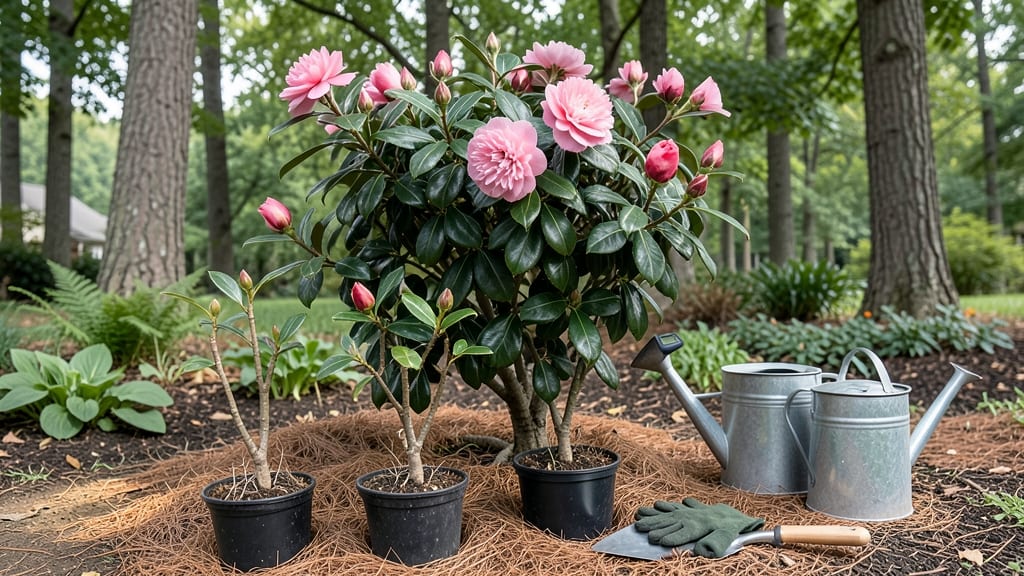
If you’ve ever planted your 🌸 Camellia at the wrong time in Zone 9, you know the frustration of wilted leaves or missed blooms—yet getting the timing right is the secret to vibrant flowers year-round.
The ideal window isn’t just about months; it’s about aligning with Zone 9’s unique climate, where frost-free days and humidity play a bigger role than you might expect.
Most gardeners assume spring is the only time to plant, but in Zone 9, late fall to early spring actually gives your Camellia a head start. Why? Cooler temperatures reduce transplant shock, and the soil stays workable without the extreme heat of summer.
I’ll break down the exact months that work best—and how to adjust for your specific microclimate, whether you’re near the coast or inland.
You’ll also discover how to choose the right timing based on your Camellia type, whether it’s the hardy Camellia sasanqua or the showstopper Camellia japonica. Plus, I’ll share pro tips to extend your blooming season, so you’re not left waiting for flowers to appear.
Let’s get your Zone 9 garden ready for stunning, long-lasting Camellias.
The best part? These strategies work even if you’re container gardening or dealing with Zone 9’s occasional heat spikes. By the end, you’ll know exactly when to plant for maximum impact—and how to keep your Camellias thriving all year. Ready to transform your garden?

Best planting windows for camellias in Zone 9 (with climate adjustments)
Zone 9’s mild winters and hot summers create unique challenges for planting camellias. Unlike cooler climates, you’ll avoid frost damage but must time planting to prevent heat stress and transplant shock.
The ideal window spans late fall to early spring, when temperatures stay between 50°F and 70°F—perfect for root establishment.
Most gardeners in Zone 9 plant camellias between November and February, aligning with the plant’s natural dormancy period. This timing lets roots settle before summer’s heat arrives.
Coastal areas can extend planting slightly later due to cooler microclimates, while inland regions should prioritize earlier planting to avoid summer drought stress.
🌸
| Season | Ideal Planting Months | Temperature Range | Zone 9 Climate Notes |
|---|---|---|---|
| Late Fall | November - December | 50°F - 65°F | Best for root growth; avoid early frost (rare in Zone 9). |
| Winter | January - February | 55°F - 70°F | Cooler inland areas; coastal zones stay mild. |
| Early Spring | March (coastal) | 60°F - 75°F | Risk of heat stress; prioritize shade and watering. |
For coastal Zone 9 gardeners, March planting is often safe due to moderate temperatures and higher humidity. However, inland areas should stick to November or December to avoid summer’s 100°F+ heat, which can stunt young roots.
Always check your local microclimate—urban areas may heat up faster than rural spots.
If you miss the ideal window, container planting offers flexibility. Young camellias in pots can be planted anytime, but they’ll need extra shade and frequent watering during summer. Just avoid transplanting during peak heat (June-August), when stress risks skyrocket.
💧
Soil prep is just as critical as timing. Zone 9’s sandy or clay-heavy soils often need amendments to improve drainage and acidity. Aim for a pH of 5.5–6.5 and mix in organic matter like compost or peat moss.
Test your soil before planting—amending acidic soils takes time, and camellias are highly sensitive to alkaline conditions.
After planting, mulch heavily (3–4 inches) to retain moisture and regulate soil temperature. In Zone 9, mulch helps protect roots from heat spikes and drought stress. Water deeply once a week for the first month, then taper to bi-weekly once established.
Avoid overhead watering to prevent fungal diseases common in Zone 9’s humid summers.
🌿
Best planting windows for camellias in Zone 9 (with climate adjustments)
Zone 9’s mild winters and hot summers create a unique challenge for planting camellias. Unlike colder zones, you won’t deal with frost, but the intense heat and humidity demand precise timing.
The ideal window spans from late fall to early spring, when temperatures stay between 50°F and 70°F, reducing transplant shock and encouraging root establishment.
Most gardeners in Zone 9 focus on November through February, but microclimates change everything. Coastal areas stay cooler and more humid, while inland zones can experience sudden heat spikes.
For example, if you’re near the San Diego coast, you might extend planting into early March, but inland Phoenix gardeners should stick to November-December to avoid summer’s brutal heat.
| Season | Best Planting Months | Temperature Range | Climate Notes | Microclimate Adjustments |
|---|---|---|---|---|
| Late Fall | November | 50°F–65°F | Cooler temps, lower humidity | Coastal: Safe until Dec Inland: Plant by Nov 15 |
| Winter | December–February | 45°F–68°F | Mild, stable conditions | Coastal: Up to Feb 15 Inland: Avoid Jan heatwaves |
| Early Spring | March (Coastal Only) | 60°F–75°F | Rising temps, higher humidity | Only for coastal zones; inland risks heat stress |
Rainfall also plays a critical role in Zone 9. While November and December often bring steady rains, January and February can be drier, especially inland. If you plant during dry spells, prioritize deep watering (1 gallon per plant) immediately after transplanting to help roots establish.
I’ve seen camellias planted in February thrive with this extra care, but they lag behind those planted in November.
Another key factor is soil temperature. Camellias prefer soil that’s above 60°F but not scorching. In Zone 9, soil stays workable year-round, but March planting risks overheating roots. Test your soil’s temperature with a soil thermometer—if it’s above 75°F, wait until fall.
Pro tip: Mulch heavily (3–4 inches of organic mulch) to keep roots cool and retain moisture.
Don’t overlook container planting as an option for Zone 9 gardeners. Containers let you control soil temperature and moisture better than in-ground planting. If you’re using pots, plant in late fall or early spring and choose glazed containers to prevent overheating.
I’ve had success with Camellia sasanqua in containers planted in December, as they handle the transition to spring blooms more gracefully.
Finally, align your planting with local rainfall patterns. Coastal Zone 9 areas like Los Angeles get occasional winter rains, while Tucson remains dry. If your area is drought-prone, schedule planting for November when soil moisture is higher.
For humidity-heavy zones, February can work if you provide afternoon shade to prevent fungal issues like petal blight.