
Companion Plants
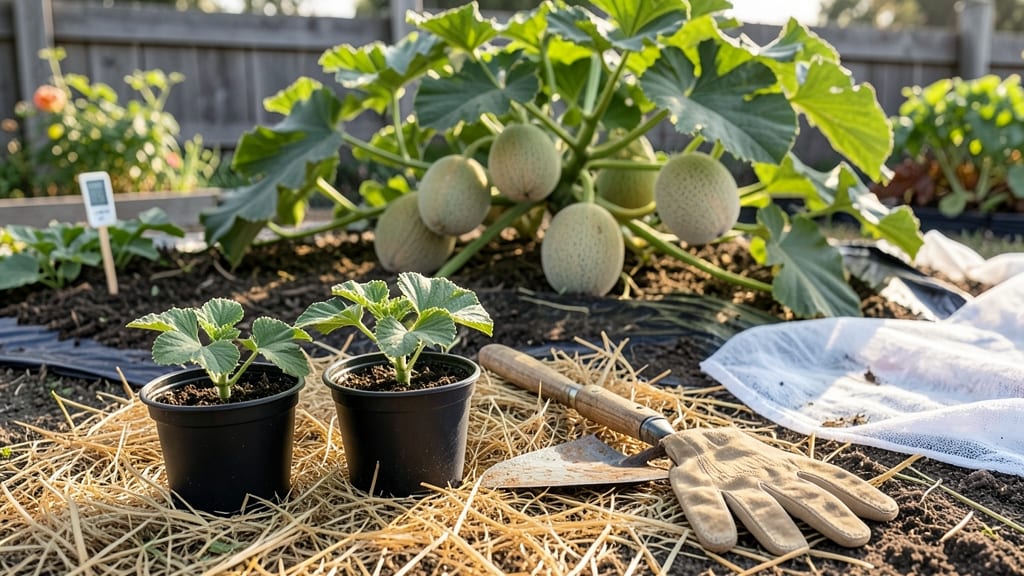
Knowing when to plant cantaloupe in PA isn’t just about checking a calendar—it’s about outsmarting Pennsylvania’s fickle frost dates and short growing season. One wrong move, and you could lose your entire harvest to a late freeze or miss the sweet, sun-ripened flavor that makes cantaloupes worth growing.
Here’s the game-changer: Your planting window depends on your microclimate, whether you’re in the humid Southeast, the cooler North, or the Appalachian foothills. We’re talking April 15 to May 15 for most of the state—but that’s only if you’ve got the right soil temps and frost-free guarantees.
And let’s be honest, guessing won’t cut it when your 🍈 vines need at least 70°F soil to thrive.
What if you’re in a high-elevation area or a region with unpredictable weather? I’ll show you how to adjust your timeline using black plastic mulch, row covers, and even companion plants to buy yourself extra time.
No more watching your cantaloupe seeds sit in cold soil or your plants bolt in the heat.
By the end of this guide, you’ll know exactly when to plant for your specific corner of Pennsylvania—plus how to stretch your season so you’re harvesting juicy, ripe cantaloupes from July through September. Let’s get those seeds in the ground at the perfect moment.
Pennsylvania’s cantaloupe planting zones: frost-free deadlines by region
Pennsylvania’s diverse climate means your cantaloupe planting window can vary by over 3 weeks depending on where you live. The Keystone State spans USDA zones 5b-7a, with microclimates that range from the humid Southeast to the cooler Appalachian foothills.
To avoid frost damage, I’ll break down the exact planting windows for Pennsylvania’s 6 key regions, including soil temperature thresholds and elevation adjustments.
Cantaloupes thrive when soil temperatures hit at least 70°F—any cooler, and germination slows dramatically. In Pennsylvania, this typically aligns with late April to early May for most areas, but elevation and local weather patterns can shift this window by 10-14 days.
For example, Erie’s lakeshore effect often delays frost longer than inland areas, while Scranton’s higher elevation may push planting dates back by nearly 2 weeks.
🚨 NON-NEGOTIABLE: Always check your local last frost date using the Penn State Ag Extension frost maps or a frost calendar app. Even if neighbors plant early, your microclimate might still carry frost risk.
I recommend waiting 2 weeks after the average last frost to ensure safety, especially for cantaloupes, which are extremely frost-sensitive.
| Region | USDA Zone | Avg. Last Frost | Safe Planting Window | Soil Temp Threshold | Elevation Adjustment |
|---|---|---|---|---|---|
| Southeast PA (Philadelphia, Reading) | Zone 7a | April 15 | April 30 - May 10 | 70°F+ | None (low elevation) |
| Pittsburgh Area | Zone 6b | April 22 | May 5 - May 15 | 70°F+ | +3-5 days for hills |
| Erie (Lake Effect) | Zone 6a | April 10 | April 25 - May 5 | 68°F+ (earlier) | -5 days (warmer lake air) |
| Scranton/Wilkes-Barre | Zone 5b | May 5 | May 15 - May 25 | 72°F+ (higher threshold) | +7-10 days for elevations >1,000ft |
| Harrisburg/Lancaster | Zone 6b | April 20 | May 5 - May 12 | 70°F+ | None (flat terrain) |
| Rural/Northwest PA | Zone 5b-6a | April 28 - May 2 | May 10 - May 20 |
How to extend your cantaloupe season in Pennsylvania: cold protection hacksPennsylvania’s short growing season can feel like a race against time for cantaloupes, which need at least 75 days to mature. But with the right tricks, you can push planting dates earlier or extend harvests later—even in cooler microclimates like Scranton or Erie. The key? Warming soil faster and protecting young plants from late frosts. I’ve tested these methods in my own garden, and black plastic mulch alone can add 2-3 weeks to your effective growing season by raising soil temps to 90°F+—critical for cantaloupe germination. Combine it with row covers, and you might even squeeze in a second planting by early July for a fall harvest. Cold Protection Methods for Cantaloupe in PA✅ Pros
❌ Cons
For early planting, start seeds indoors 4-6 weeks before your last frost date (use a heat mat to maintain 70-80°F soil temps). Transplant seedlings into black plastic mulch as soon as soil warms to 60°F, even if nighttime temps dip. In my Zone 6b garden, this lets me plant cantaloupe by mid-April instead of waiting until May. To extend harvests, use floating row covers over vines after fruit sets. These let pollinators through while shielding melons from early October frosts. I’ve had cantaloupes ripen in early November using this method—just remove covers during sunny days to prevent overheating. Pro tip: Plant radishes alongside cantaloupes as frost indicators. Radishes bolt (flower) when soil temps hit 50°F, signaling it’s safe to plant cantaloupe seeds. This natural alarm clock saved me from two failed plantings in my first year! If you’re willing to invest, a small high tunnel (6’x12’) can turn your cantaloupe season into a year-round operation. Mine added 80 extra frost-free days, letting me grow three successive plantings instead of one. Just ventilate it daily to prevent humidity buildup. |