
Plants
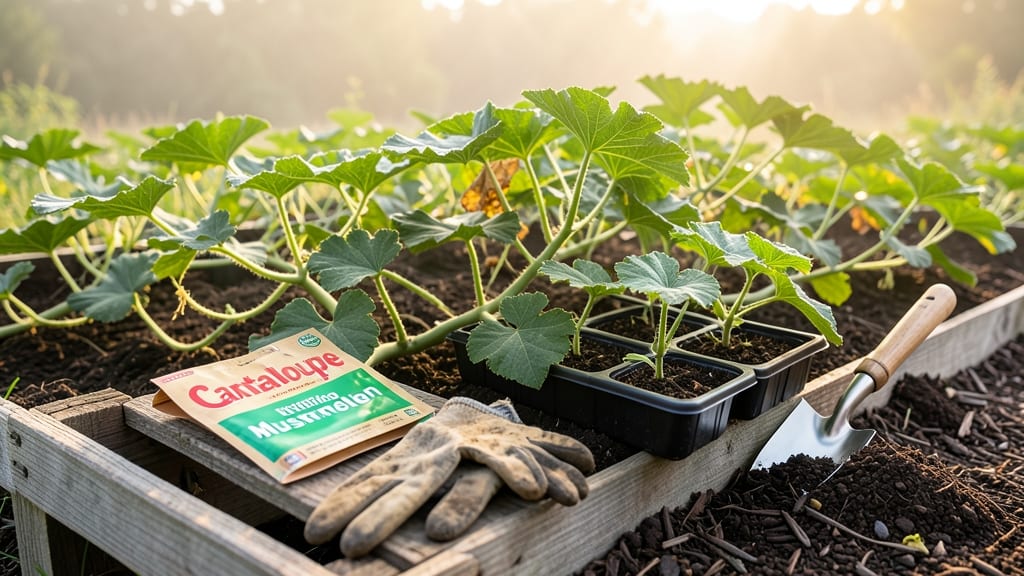
When to plant cantaloupe seeds in Texas can make all the difference between a thriving harvest and a disappointing failure—especially when summer heat arrives faster than expected. If you’ve ever watched your plants bolt prematurely or struggle in the scorching sun, you know the stakes are high. The key to success lies in planting at the right moment when soil temperatures are just warm enough to encourage strong roots while still avoiding the brutal midday heat.
For Texas gardeners, this means starting seeds indoors 4-6 weeks before your last frost date—or better yet, waiting until late March to early April in most regions to plant directly in the ground.
But here’s the catch: North Texas has a different window than South Texas, and heat-resistant varieties can make all the difference. I’ll break down the exact months to plant, the best varieties for your zone, and how to keep your cantaloupe thriving until harvest.
You don’t need a green thumb to grow cantaloupe in Texas—just the right timing and a few smart tricks. Whether you’re in the Panhandle or the Rio Grande Valley, we’ll cover soil prep, spacing, and early care to ensure your seeds germinate quickly and your vines grow strong.
Let’s get your garden ready for sweet, juicy cantaloupes before the heat peaks.
Ready to avoid the common mistakes that leave Texas gardeners frustrated? Stick around—I’ll show you how to plant cantaloupe seeds at the perfect moment, choose the toughest varieties, and keep your harvest on track all summer long.
Texas cantaloupe planting calendar: best months by region (avoid bolting in 100°F+ heat)
Texas’ diverse climate zones mean your cantaloupe planting window varies dramatically—from North Texas’ cooler springs to South Texas’ early heat spikes. The key is planting when soil temperatures hit 70°F+ and nighttime temps stay above 55°F, or your seeds will rot or bolt prematurely.
Miss this window, and you’ll face bitter, seedy fruit or no harvest at all.
For North Texas (USDA Zones 7b-8a), aim for mid-April to early May after the last frost (typically March 15-April 1).
In Central Texas (Zones 8a-8b), start late March to mid-April, while South Texas (Zones 9a-10a) gardeners can plant as early as February—but watch for 100°F+ heat, which stresses young vines.
Here’s the critical rule: Never plant when daytime highs exceed 90°F for more than 3 days in a row. Cantaloupes are heat-loving but need time to establish roots before the Texas sun intensifies. I’ve learned this the hard way—overheated seedlings wilt faster than you can water them.
Direct sowing is best for Texas gardeners. Transplants struggle in our heat, and cantaloupes hate root disturbance. Sow seeds ½-inch deep, spacing them 2-3 feet apart in hills. Use black plastic mulch to warm soil faster and suppress weeds, which is a game-changer in South Texas’ sandy soils.
| Region | USDA Zone | Last Frost Date | Best Planting Window | Soil Temp Threshold | Heat Risk |
|---|---|---|---|---|---|
| North Texas | 7b-8a | March 15-April 1 | Mid-April to early May | 70°F+ | Moderate (June-August) |
| Central Texas | 8a-8b | February 28-March 15 | Late March to mid-April | 70°F+ | High (May-September) |
| South Texas | 9a-10a | January 31-February 15 | February to early March | 75°F+ (earlier) | Extreme (April-October) |
| West Texas | 8b-9a | March 1-April 1 | Early April to mid-May | 70°F+ | Very High (June-September) |
🌡️ Pro Tip: Use a soil thermometer—60°F soil = slow germination; 80°F+ = bolting risk.
If you’re in North Texas and miss the spring window, don’t despair—you can try a late summer planting (August) for a fall harvest. But be prepared for shorter vines and smaller fruit due to declining daylight hours.
I’ve had success with 'Athena' cantaloupe in these conditions, but it’s a gamble.
For Central and South Texas, focus on succession planting every 2-3 weeks from February to April. This ensures a staggered harvest before the 100°F+ heat sets in. Space your plantings 10-15 feet apart to avoid soil-borne diseases spreading between vines.
One mistake I see often? Planting cantaloupes too close to tomatoes or peppers. These plants compete for nutrients and attract the same pests. Instead, pair cantaloupes with bush beans or radishes, which improve soil structure without competing for resources. Companion planting is a Texas gardener’s secret weapon.
Finally, monitor your cantaloupes for bolting—when vines flower too quickly without fruit. This happens when nights stay above 70°F for weeks. If you see it, provide afternoon shade with a 30% shade cloth and reduce water slightly to slow growth.
It’s not ideal, but it buys you time for fruit to set.
Remember: Texas cantaloupe success hinges on three things: soil warmth, timing, and heat management. Get these right, and you’ll be feasting on homegrown melons by late June—just in time for summer picnics. 🌱
Texas cantaloupe planting calendar: best months by region (avoid bolting in 100°F+ heat)
Texas’s diverse climate zones mean your cantaloupe planting window varies dramatically—from North Texas’ cooler springs to South Texas’ early heat spikes. The key is planting when soil hits 70°F+ and nighttime temps stay above 55°F, or your seeds will rot or bolt prematurely.
Miss this window, and you’ll face bitter, seedy fruit or no harvest at all.
For North Texas (Zones 7b-8a), aim for mid-April to early May after the last frost (typically March 15-April 1). Central Texas (Zones 8a-8b) can start late March to early April, while South Texas (Zones 9a-10a) should plant February to early March to beat the summer heat.
Transplants give you a 2-week head start, but direct sowing yields hardier vines.
Here’s your region-specific planting guide with soil temp thresholds and heat-tolerance windows to prevent bolting:
| Region | USDA Zone | Last Frost Date | Ideal Planting Window | Soil Temp Threshold | Heat-Tolerance Window |
|---|---|---|---|---|---|
| North Texas | 7b-8a | March 15-April 1 | Mid-April to early May | 70°F+ | May-July (before 100°F+) |
| Central Texas | 8a-8b | February 28-March 15 | Late March to early April | 70°F+ | April-June (avoid July heat) |
| South Texas | 9a-10a | January 15-February 15 | February to early March | 75°F+ | March-May (harvest before June) |
Pro tip: Use a soil thermometer to confirm readiness—cantaloupe seeds need consistent warmth to germinate. If your soil is below 65°F, cover rows with black plastic mulch for 2-3 weeks to warm it faster. This trick adds 10-14 days to your planting window in cooler zones.
For direct sowing, plant seeds 1 inch deep and 2 feet apart in hills, with 5 feet between hills. Thin seedlings to the strongest 2 per hill once they’re 4 inches tall.
Transplants should go in after soil warms and have 4-5 true leaves—this minimizes transplant shock in Texas’s unpredictable spring weather.
Watch for premature bolting (when vines flower too early). If your plants send up yellow blossoms before June, they’re reacting to heat stress. Use shade cloth (30-50%) during 100°F+ days to buy time for fruit set. Pair this with drip irrigation to keep roots cool and consistent.
Timing isn’t just about months—it’s about heat management. Plant too early, and your cantaloupes will melt in the Texas sun before ripening. Too late, and you’ll miss the ideal 75-85°F harvest window.
Master this, and you’ll enjoy sweet, ripe cantaloupes from June to September—just in time for summer picnics! 🌱💧☀️