
Plants
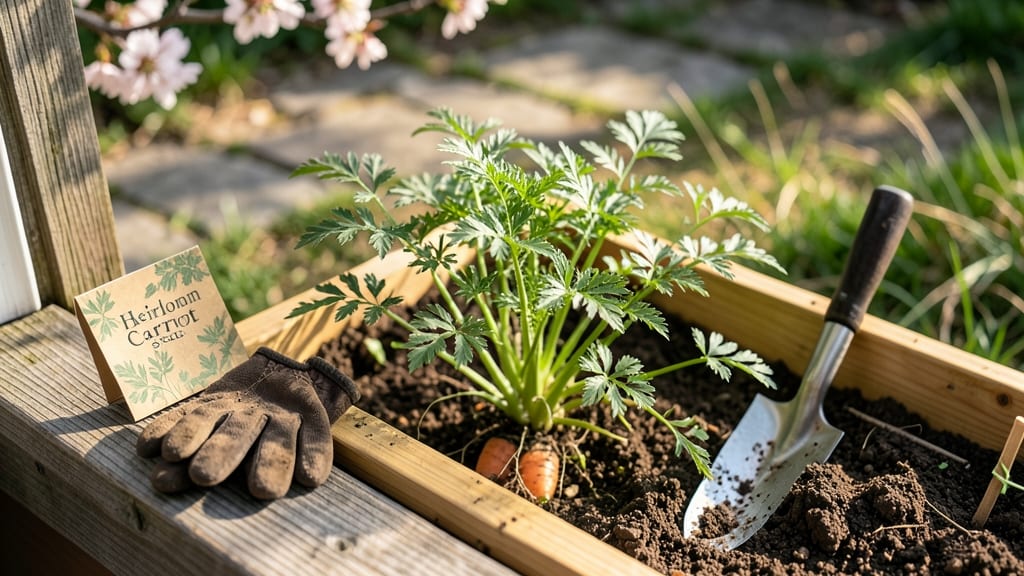
Timing your carrot planting in Zone 5b can mean the difference between a bountiful harvest and a disappointing one. If you’ve ever watched your crisp, sweet 🥕 roots turn woody or bolt in the heat, you know how critical getting the schedule right really is.
Most gardeners in Zone 5b focus on early spring planting, but there’s a secret window in late spring that often gets overlooked.
By waiting until after the last frost—around mid-April—you avoid the risk of frost damage while still giving your carrots plenty of time to mature before summer’s intense heat sets in.
In this guide, I’ll walk you through the exact dates, soil prep tips, and spacing tricks to maximize your harvest.
Whether you’re a seasoned gardener or just starting out, these insights will help you grow carrots that are crisp, straight, and full of flavor—no matter what Zone 5b throws your way.
Ready to turn your garden into a carrot powerhouse? Let’s dive into the strategies that work best for your climate and soil conditions.

Optimal carrot planting windows in Zone 5b: exact dates for success
Carrots thrive in Zone 5b when planted at the right time—too early and frost will kill seedlings, too late and they’ll bolt from heat. My late-spring strategy focuses on two key windows: early April and mid-July, timed to avoid frost and maximize your harvest before fall.
Let’s break down the exact dates and conditions for success.
First, check your last frost date, which in Zone 5b typically lands around April 15. Carrot seeds need soil temperatures of at least 50°F (10°C) to germinate. In my garden, I wait until mid-April to plant, giving the soil time to warm while avoiding late frosts.
This timing ensures seedlings emerge quickly and grow strong before summer heat sets in.
For a second harvest, I plant a late-summer crop in early July. This gives carrots enough time to mature before the first frost, usually around October 15 in Zone 5b. The goal is to have roots ready to harvest by mid-September, before temperatures drop too low.
This two-cycle approach guarantees fresh carrots from late summer through fall.
Here’s the critical detail: soil temperature matters more than calendar dates. Use a soil thermometer to confirm it’s 50°F+ before planting. In cooler Zone 5b springs, this might mean waiting until late April—don’t rush! Patience here prevents seed rot and ensures healthy germination.
| Planting Window | Soil Temp Requirement | Frost Risk | Harvest Window |
|---|---|---|---|
| Early Spring (Mid-April) | 50°F+ (10°C+) | Low (post-last frost) | July - September |
| Late Summer (Early July) | 55°F+ (13°C+) | None (before first frost) | September - October |
In my experience, succession planting every 2 weeks after your initial date extends the harvest. For example, if you plant on April 15, follow up with seeds on April 30, May 15, and June 1.
This staggered approach ensures a steady supply of baby carrots and prevents bolting from heat stress. Just avoid planting after July 15, as the roots won’t mature before frost.
Another pro tip: choose short-season varieties like ‘Paris Market’ or ‘Nantes’ for Zone 5b. These mature in 50-60 days, giving them enough time to grow before fall temperatures drop. Longer varieties like ‘Danvers’ can work but require earlier planting and careful monitoring for bolting.
Don’t forget to harden off seedlings if starting indoors. Begin exposing them to outdoor conditions 10-14 days before transplanting to prevent shock. In Zone 5b, this means starting seeds indoors by early March if you’re using this method.
Just be ready to transplant quickly after the last frost to avoid stunted growth.
Finally, mulch heavily after planting to retain soil moisture and regulate temperature. In my garden, a 2-inch layer of straw keeps the soil cool in summer and warm in spring, creating ideal conditions for consistent germination and growth. This simple step makes all the difference in Zone 5b’s variable climate.
With these exact dates and conditions, you’ll avoid the two biggest mistakes—planting too early and risking frost, or too late and facing woody roots. Stick to this schedule, and you’ll enjoy crisp, sweet carrots from July through October every year. 🥕
How to extend your carrot harvest in Zone 5b: succession planting tips
Zone 5b’s short growing season makes succession planting your secret weapon for a continuous carrot harvest. By spacing out your plantings every 2-3 weeks after your initial sowing, you’ll avoid the dreaded "bolting" that turns sweet roots into bitter, fibrous messes.
Think of it like a relay race—each new batch takes the baton from the last, ensuring fresh carrots from July through October.
Start your first planting around April 15th (right after your last frost date), then follow up with subsequent plantings every 10-14 days until early July. This staggered approach gives you 3-4 harvest waves before summer’s heat peaks.
For example, my first batch in mid-April yielded baby carrots by June, while my July planting matured just in time for fall harvests.
The key is to stop planting by mid-July in Zone 5b. After that, your carrots won’t have enough time to reach maturity before the first frost hits around October 15th.
But don’t worry—this timing still gives you a 3-month harvest window, which is perfect for fresh eating, storage, or even preserving.
- 📅 April 15: First planting after last frost (harvest in June-July)
- 📅 May 1: Second planting (harvest in July-August)
- 📅 May 15: Third planting (harvest in August-September)
- 📅 June 1: Final planting (harvest in September-October)
- ❄️ Stop by July 15: Prevents immature harvests before frost
For even better results, pair your succession plantings with shade cloth during the hottest afternoons (12-4 PM). I’ve found that a 30-50% shade cloth keeps soil temps down and prevents bolting.
Just drape it loosely over your rows—no need for fancy setups. This simple trick has extended my harvest by 2-3 weeks in the most intense heat.
Don’t forget to thin your seedlings to 2-3 inches apart as they grow. Crowded carrots compete for nutrients and often grow forked or stunted. Use sharp scissors to snip unwanted plants at soil level—it’s cleaner than pulling and disturbs the roots less.
Pro tip: Save the thinned seedlings for baby carrots or microgreens!
Finally, mix in companion plants like radishes or lettuce between your carrot rows. Radishes mature quickly and mark where you’ve planted, while lettuce shades the soil to retain moisture.
This 3-row rotation (carrots, radishes, lettuce) keeps pests away and maximizes your garden’s real estate. My fall harvests have doubled since I started this method!