
Plants
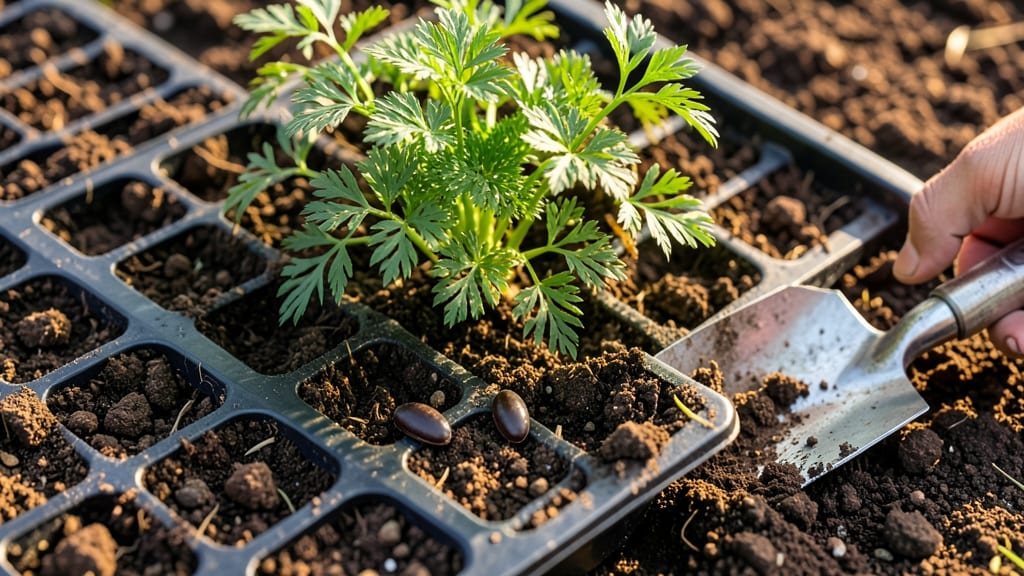
Timing your carrot seed planting in Ohio can mean the difference between a bumper crop of sweet, crisp 🥕 and a sad, stunted harvest. Ohio’s Zone 6a climate gives you two prime windows—spring and fall—but getting it wrong risks frost damage or bitter roots.
Most Ohio gardeners plant their first batch in March or early April, just as the soil warms above 50°F. This ensures seedlings emerge before the last frost (typically around April 15), giving them 70-85 days to mature before summer heat sets in.
But here’s the secret: succession planting every 2-3 weeks through July keeps your kitchen stocked with fresh 🥕 until October. And yes, you can squeeze in a fall crop—just start seeds in August for a harvest before the first frost in mid-October.
Ready to avoid the most common mistakes? I’ll show you exactly how to time it right, from soil prep to avoiding bolting, so you’re harvesting perfectly sized carrots all season long.
Ohio carrot planting calendar: exact dates by frost risk
Ohio’s Zone 5-6 climate gives you two prime windows to plant carrot seeds: spring and fall. Spring planting kicks off after the last frost date—typically mid-April to early May—while fall planting wraps up by early September to harvest before winter sets in.
These timing rules prevent frost damage and ensure sweet, tender roots.
For spring plantings, I recommend starting seeds indoors 4–6 weeks before your last frost date (around March 15–April 1). Harden off seedlings before transplanting outdoors after soil reaches 50°F.
In Ohio’s northern regions (Zone 5), aim for April 15–May 1; southern areas (Zone 6) can plant as early as March 20–April 10.
Fall plantings are trickier but rewarding. Sow seeds by August 1–September 1 to harvest before the first frost (usually October 15–November 1). Choose bolting-resistant varieties like ‘Danvers’ or ‘Nantes’ for cooler weather. Urban gardeners may need to adjust dates by 1–2 weeks due to heat islands.
🌱 Ohio Carrot Planting Timeline
| Stage | Zone 5 (North Ohio) | Zone 6 (South Ohio) | Key Notes |
|---|---|---|---|
| Start Indoors | March 15–April 1 | March 20–April 10 | 4–6 weeks before last frost |
| Direct Sow Outdoors | April 15–May 1 | March 20–April 15 | Soil ≥50°F, frost-free |
| Fall Planting | August 1–September 1 | August 15–September 10 | Harvest before first frost |
| First Frost Risk | October 15–November 1 | October 20–November 5 | Use row covers for extension |
💡 Pro Tip: Check your local Almanac frost dates annually—Ohio’s climate shifts slightly each year!
Ohio’s microclimates can shift planting dates by 1–2 weeks. Urban areas like Columbus or Cincinnati often experience earlier springs due to pavement heat, while rural zones may have delayed frost.
To test soil readiness, press your finger into the ground—if it’s easily crumbly at 2 inches deep, it’s time to plant.
For container gardening, start seeds indoors by March 1 and transplant when soil warms. Containers warm faster than ground soil, so monitor closely. Use well-draining mixes with compost to prevent woody roots—a common issue in Ohio’s clay-heavy soils.
If you miss the spring window, don’t panic! Succession planting every 2–3 weeks until July can still yield a harvest. Just reduce watering as summer heat arrives to prevent bolting (flowering too early). For fall crops, prioritize short-day varieties like ‘Paris Market’ to mature before frost.
Always choose Ohio-adapted varieties—avoid long, tapered types that struggle in rocky soil. ‘Chantenay’ or ‘Detroit Dark Red’ thrive in Ohio’s conditions. Mulch with straw after thinning seedlings to retain moisture and suppress weeds, which compete aggressively in Ohio’s humid summers.
🌱 Key Takeaway: Spring plantings = April 15–May 1 (Zone 5) or March 20–April 15 (Zone 6); fall plantings = August 1–September 1. Adjust for microclimates and always monitor soil temperature!
How to extend Ohio’s carrot growing season with succession planting
Succession planting is the secret weapon for Ohio gardeners who want fresh 🥕 carrots from spring through fall. Instead of one big planting, I spread out seeds every 2-3 weeks—this keeps your harvest steady and avoids the "all-at-once" glut that spoils before you can eat it.
Start your first batch in early April, just as soil warms to 50°F. Then, repeat plantings until mid-July. Each new batch gives you a fresh crop just as the previous one matures, ensuring you’re never without homegrown carrots.
For fall crops, begin seeds in late August to harvest before the mid-October frost. Choose bolting-resistant varieties like ‘Danvers’ or ‘Nantes’ for reliable roots in cooler weather.
Here’s how I space it out for maximum yield:
- Early April – First planting after last frost
- Mid-April – Second batch for continuous harvest
- Early May – Third planting for summer crops
- Mid-July – Final spring batch (harvest by October)
- Late August – Start seeds for October harvest
- Early September – Second fall batch (if frost arrives late)
Pro tip: Mark your planting dates on a garden calendar to track maturity. Carrots need 70-85 days to harvest, so time your last spring batch to finish by late September.
Don’t forget to thin seedlings to 2-3 inches apart—crowded carrots grow gnarled, not straight. Use a companion plant like radishes (they’re ready in 30 days) to mark rows and save space.
With this strategy, I’ve harvested 🥕 carrots every month from June to November—no store-bought roots needed! Just watch for bolting in hot summers (more on that in the next section).