
Plants
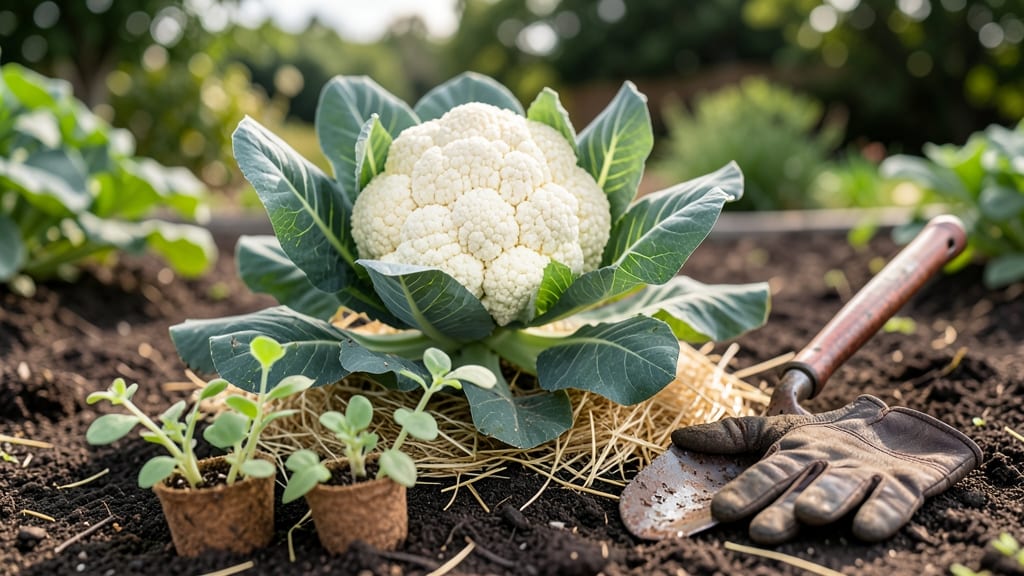
Timing your cauliflower 🥬 planting in Missouri wrong could mean bolting heads or stunted growth—so getting the window right is everything. With USDA zones 5b-6b and unpredictable frost dates, most gardeners either rush seedlings or miss the sweet spot entirely.
Here’s the secret: Planting in late February to early April for spring harvests or late July to early August for fall gives you the best shot at success. But Missouri’s regional differences—like St. Louis’s warmer microclimates versus Kansas City’s cooler pockets—mean you’ll need to adjust based on your exact location.
I’ll walk you through the exact frost dates for your area, the best heat-tolerant varieties to avoid bolting, and how to prep your soil for maximum yields. No more guessing—just proven strategies that work in Missouri’s climate.
Whether you’re a first-time gardener or a seasoned pro, these tips will help you grow perfect cauliflower heads from seed to harvest. Let’s get started!
Missouri frost dates & ideal cauliflower planting windows by region
Missouri’s diverse microclimates mean your cauliflower planting schedule should differ between St. Louis, Kansas City, and rural areas. The average last frost date varies by 1-2 weeks, creating critical windows for both spring and fall harvests.
Get this wrong, and you’ll risk bolting (premature flowering) or frost damage.
For spring cauliflower, aim to plant 4-6 weeks before your region’s last frost date. In St. Louis (Zone 6a), that’s typically late February to early March for transplants or mid-March for direct sowing.
In Kansas City (Zone 5b), wait until early April to avoid late spring frosts that can kill young plants.
Missouri’s summer heat (often exceeding 90°F) makes fall planting the safer bet for most gardeners. Start seeds indoors in July or transplant late July to early August, giving heads 70-100 days to mature before the first frost (usually mid-November).
Rural areas with cooler microclimates (like the Ozarks) may push spring planting back to early April, while urban heat islands in St. Louis might require shade cloth for summer crops. Always check the Missouri Climate Center for localized frost data—it’s your best friend!
Missouri Cauliflower Planting Windows by Region
| Region | Last Frost Date | Spring Planting (Transplant) | Fall Planting (Transplant) | Harvest Window |
|---|---|---|---|---|
| St. Louis (Zone 6a) | March 15 | Late Feb - Early March | Late July - Early Aug | May-June & Sept-Oct |
| Kansas City (Zone 5b) | April 1 | Early April | Early Aug | June-July & Sept-Oct |
| Rural Ozarks (Zone 6b) | March 22 | Late March | Mid-July | May-June & Sept-Oct |
| Urban Heat Islands (e.g., Columbia) | March 10 | Early March | Late July | May-June & Sept-Oct |
*Use shade cloth for summer crops in hotter zones to prevent bolting.
If you’re growing heat-tolerant varieties like 'Purple of Sicily', you can extend your spring planting by 2 weeks in cooler zones. These varieties handle 85°F+ temperatures better than traditional white cauliflower, making them ideal for late spring or early fall in Missouri’s Zone 5b-6b.
For fall crops, time your planting so heads form 60-70 days before the first frost. In St. Louis, that means transplanting by August 15 for a September-October harvest. Use row covers to extend the season if frost threatens early.
Missouri’s heavy clay soil can slow germination, so pre-warm seeds indoors for 10-14 days before transplanting. This trick adds critical growing time in shorter seasons. Pair this with mulch to keep roots cool in summer and warm in spring.
Pro tip: Direct-sow in late spring (May) for a second fall crop if your first attempt bolts. Choose fast-maturing varieties like 'Snowball Y Improved' (70 days) to fit the timeline. Just be ready to harvest quickly before frost arrives!
Always monitor soil temperatures—cauliflower thrives when soil is 45°F+. Use a soil thermometer to avoid planting too early in cold, wet springs, which can stunt growth. Root rot is a real risk in Missouri’s damp conditions.
Best cauliflower varieties for Missouri gardens (heat tolerance & disease resistance)
Missouri’s humid summers and unpredictable heat waves can turn cauliflower 🥬 into a finicky crop—unless you pick the right varieties. I’ve grown dozens of types here, and these top 5 heat-tolerant varieties consistently deliver in Missouri’s climate, even when temperatures flirt with 90°F+.
For spring planting, focus on early-maturing types like 'Snowball Y Improved' that handle cooler soils, while fall varieties need heat resistance to avoid bolting. Purple varieties like 'Purple of Sicily' also thrive in Missouri’s heat and add visual interest to your garden.
Here’s how they stack up in key categories like heat tolerance, disease resistance, and harvest window—plus organic pest-control tips for Missouri’s worst offenders like cabbage worms 🐛.
Start with 'Snowball Y Improved'—it’s my go-to for spring planting because it matures in just 60-70 days and handles Missouri’s cool spring soils better than most. For fall, 'Purple of Sicily' is unbeatable; its deep purple heads stay crisp even in 90°F heat.
To protect all varieties from cabbage worms 🐛, I swear by a BT spray (Bacillus thuringiensis) applied every 7-10 days during peak worm season (May-July). For organic gardeners, row covers work too—just remove them when flowers appear to allow pollination.
Pro tip: If your soil is heavy clay (common in Missouri), mix in compost and coarse sand to improve drainage. Poor drainage = rot risk, especially for Romanesco, which needs well-aerated soil to form its signature fractal heads.